
Table of Contents
If you are asking what happens to your sample in a steel testing laboratory, here is the direct answer. You do not need an engineering background to understand steel testing laboratory. For steel testing laboratory on steel sample, a steel laboratory turns a labelled sample into a measured answer. In this steel testing laboratory example, the useful test depends on the question: composition checks elements, hardness checks indentation, tensile testing pulls a sample, and metallography looks at a polished cross-section. On steel sample, it can help you follow a labelled steel sample through preparation, testing and the final result.
For steel testing laboratory on steel sample, a doctor does not order every possible test for one symptom. In this steel testing laboratory example, a steel lab works best the same way: start with the clear question, then choose the test that can answer it. A first-time reader can now separate a useful observation from a broad promise about steel.
The quickest useful explanation for steel sample in steel testing laboratory
This guide uses steel sample from Liborui’s Alloy Steel range as its real example. A steel sample is useful only when its label explains which original item and location it represents. The useful issue is the answer that steel testing laboratory can provide about this named steel.
Photograph the marking, shape, surface and exact place that created doubt. Photograph the original steel, its mark and the sampling point before the small piece leaves the item. This starting clue gives the service a specific job. The same boundary keeps steel testing laboratory understandable for someone viewing steel sample.
Use a familiar before-and-after picture for What Happens to Your Sample in a Steel Testing Laboratory. Before steel testing laboratory, you have steel sample plus a doubt. Afterward, you should have a labelled observation that helps you follow a labelled steel sample through preparation, testing and the final result.
The middle of that picture begins with identity. Photograph the steel, copy its mark and point to the area in question. These small actions keep the before view connected to the after view. That connection matters when steel testing laboratory is used to answer a question about steel sample.
The shape of steel sample affects what comes next. Sample size, direction and position affect what a laboratory can prepare and what the final number means. A method that works at one accessible spot may not describe another place automatically. For a visitor, it keeps the steel testing laboratory answer grounded in steel sample.
The after view might contain a record of how a small specimen stretches, structure visible in a prepared section, evidence relevant to a suspected steel mix-up, measurements of selected elements, and hardness readings at stated points. Read each result as an answer to one limited question, not as a certificate that every property of the steel is perfect. This makes the limit of steel testing laboratory clearer on the named steel sample.
To decide whether the exercise worked, return to the phrase follow a labelled steel sample through preparation, testing and the final result. The report should show exactly how its number, photo or indication supports that purpose. The wording stays specific to steel testing laboratory rather than making a broad claim about steel sample.
Keep the remaining limits visible as well. The steel testing laboratory method cannot by itself make an unlabeled sample meaningful, turn one sample into proof of every piece, show properties that were not tested, and predict every future use. If one of those facts matters, it becomes a new question rather than a hidden assumption.
One steel product and one question before steel testing laboratory
For steel testing laboratory on steel sample, a steel sample is useful only when its label explains which original item and location it represents. In this steel testing laboratory example, one tested sample cannot automatically speak for every untested piece or every direction in the steel. In the case of steel sample, the lesson is to follow a labelled steel sample through preparation, testing and the final result.
Before adding any test, read the steel itself. Sample size, direction and position affect what a laboratory can prepare and what the final number means. For steel testing laboratory, note whether the concern appears once, repeats or changes from place to place.
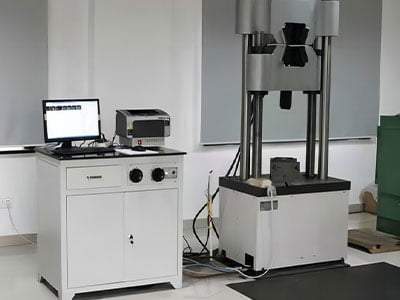
How the evidence is created for the steel testing laboratory question
A plain conclusion should stand beside the measurement or photograph that supports it. With steel testing laboratory, the reader needs both the answer and the area of steel sample represented by it.
What an ordinary reader should notice after steel testing laboratory
- Match the result to steel sample, its marking or its labelled batch.
- Find the real value, photograph, image or observation produced by steel testing laboratory.
- Locate the place on steel sample where the observation or sample came from.
- Use the stated limit while deciding whether the result helps you follow a labelled steel sample through preparation, testing and the final result.
Do not stretch the result beyond steel sample. For steel testing laboratory on steel sample, this method cannot by itself predict every future use, make an unlabeled sample meaningful, turn one sample into proof of every piece, and show properties that were not tested. Add another method only if one unanswered point prevents you from being able to follow a labelled steel sample through preparation, testing and the final result.
The limit that matters most for steel testing laboratory evidence
A common reading error is treating the words steel sample as a complete description. Related pieces can differ in surface, size, processing state or local result, so steel testing laboratory needs an item and a location.
Remember one plain boundary. One tested sample cannot automatically speak for every untested piece or every direction in the steel. A clean surface, composition match, hardness number and internal echo are not interchangeable answers. That connection matters when steel testing laboratory is used to answer a question about steel sample.
A familiar example involving steel sample and steel testing laboratory
Here is a familiar situation. The steel named steel sample does not look or read as expected. Photograph the item, marking and concern. Measure a size doubt, test a grade doubt, and use suitable non-destructive testing for a hidden-soundness doubt. For a visitor, it keeps the steel testing laboratory answer grounded in steel sample.
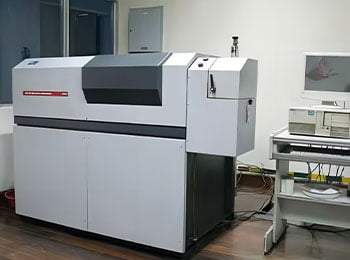
Liborui services that fit the question for steel testing laboratory on steel sample
For steel testing laboratory on steel sample, Liborui can coordinate independent chemical, hardness, tensile, impact, ultrasonic and metallographic tests for steel products while keeping the sample connected to the original item. For the title What Happens to Your Sample in a Steel Testing Laboratory, the outcome should be evidence that lets the visitor follow a labelled steel sample through preparation, testing and the final result.
This help is limited to steel represented on Liborui’s site. For steel sample, it stays within carbon steel, alloy steel, stainless steel, tool and mould steel or steel forgings and the steel-specific question described above. The wording stays specific to steel testing laboratory rather than making a broad claim about steel sample.
To ask about steel testing laboratory, send the product name, a photograph of the complete item, its marking and a close view of the concern. State that you need to follow a labelled steel sample through preparation, testing and the final result; that sentence is more useful than a long test list.
The Liborui Alloy Steel product page gives catalogue context for steel sample alongside this steel testing laboratory guide. The article above remains the direct answer to the steel testing laboratory question.
Questions about steel testing laboratory and steel sample
What is the direct answer to What Happens to Your Sample in a Steel Testing Laboratory?
The purpose is to follow a labelled steel sample through preparation, testing and the final result. For steel testing laboratory on steel sample, a steel laboratory turns a labelled sample into a measured answer. In this steel testing laboratory example, the useful test depends on the question: composition checks elements, hardness checks indentation, tensile testing pulls a sample, and metallography looks at a polished cross-section.
Can steel testing laboratory confirm everything about steel sample?
No. For steel testing laboratory on steel sample, the evidence may show measurements of selected elements, hardness readings at stated points, and a record of how a small specimen stretches, but it cannot by itself make an unlabeled sample meaningful, turn one sample into proof of every piece, show properties that were not tested, and predict every future use.
Does one result describe every part of steel sample?
No. It describes the named item, area or sample. It should not be stretched to unexamined steel sample.
Can Liborui help with this steel sample question?
Yes. For steel testing laboratory on steel sample, Liborui can coordinate independent chemical, hardness, tensile, impact, ultrasonic and metallographic tests for steel products while keeping the sample connected to the original item. The work stays with the steel product described here.
If the answer about steel sample is still unclear, use the form below to send the steel name, describe what looks or reads differently and share that your goal is to follow a labelled steel sample through preparation, testing and the final result. Liborui can identify whether steel testing laboratory or another steel method fits.