How Steel Alloy Material Properties Affect Performance
Understanding how steel alloy material properties affect performance is crucial for selecting the right alloy for specific applications.
Understanding how steel alloy material properties affect performance is crucial for selecting the right alloy for specific applications.
4340 alloy steel is a high-strength, low-alloy steel that is known for its exceptional toughness, high fatigue strength, and excellent hardenability.
This comprehensive guide aims to answer the question, "What is alloy steel?" and explain why it is important across different industries.
This comprehensive guide will explore the key characteristics of alloy steel, its types, applications, and benefits, providing insights for engineers.
This comprehensive guide will delve into the top alloy steel material properties, exploring how they influence performance and why they matter.
4140 alloy steel is a versatile and widely used material in engineering and industrial applications.
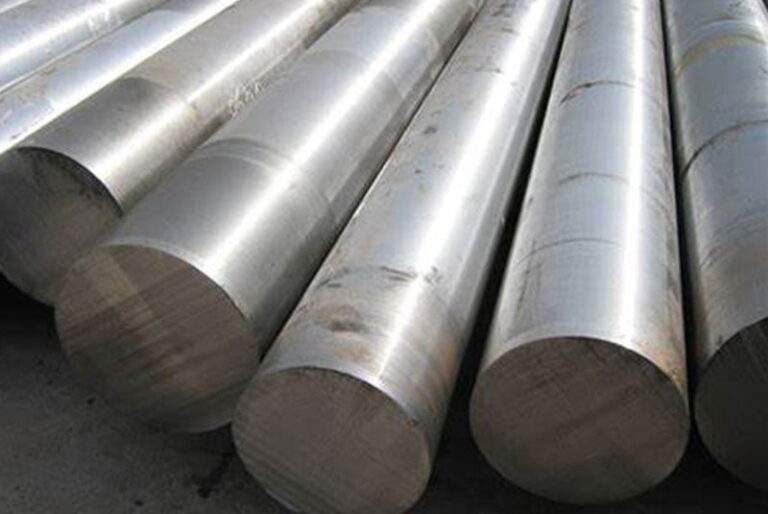
Alloy steel round bars are a fundamental component in various industries, known for their versatility, strength, and durability.
This article delves into the different types of alloy steel, exploring their characteristics, applications, and benefits.
In the world of manufacturing, materials play a crucial role in determining the quality, durability, and performance of the final products. One material that stands out for its exceptional properties is 4140 steel. This versatile alloy is widely used across various industries due to its strength, toughness, and wear resistance. In this article, we will delve into the specifics of what is 4140 steel, its properties, applications, and why it is essential in manufacturing.
By the end of this article, you will have a thorough understanding of alloy steel density and how to use this knowledge to optimize your material choices.