
Table of Contents
Introduction

In the production of bulk metal products, ensuring high-quality output is paramount. Whether you’re working with structural steel, alloys, or any other metallic material, proper inspection types procedures are critical for guaranteeing safety, performance, and reliability. In this blog, we’ll explore the different inspection types used in the metal industry, their importance, and how to ensure consistency and quality in bulk orders.
Inspection Types in Bulk Metal Orders
Visual Inspection: The First Line of Defense
Visual inspection is often the first step in quality control for bulk metal orders. It allows inspectors to detect surface defects like cracks, rust, or pitting before more advanced testing methods are applied. While visual inspection is a straightforward method, it is highly effective for identifying immediate issues that might affect the metal’s performance.
By using both manual and automated techniques, inspectors can identify defects that might otherwise go unnoticed, ensuring that the final product meets the expected standards. This type of inspection is ideal for large quantities of metal, especially when the goal is to quickly catch glaring defects without the need for extensive testing.
Dimensional Inspection: Ensuring the Right Shape and Size
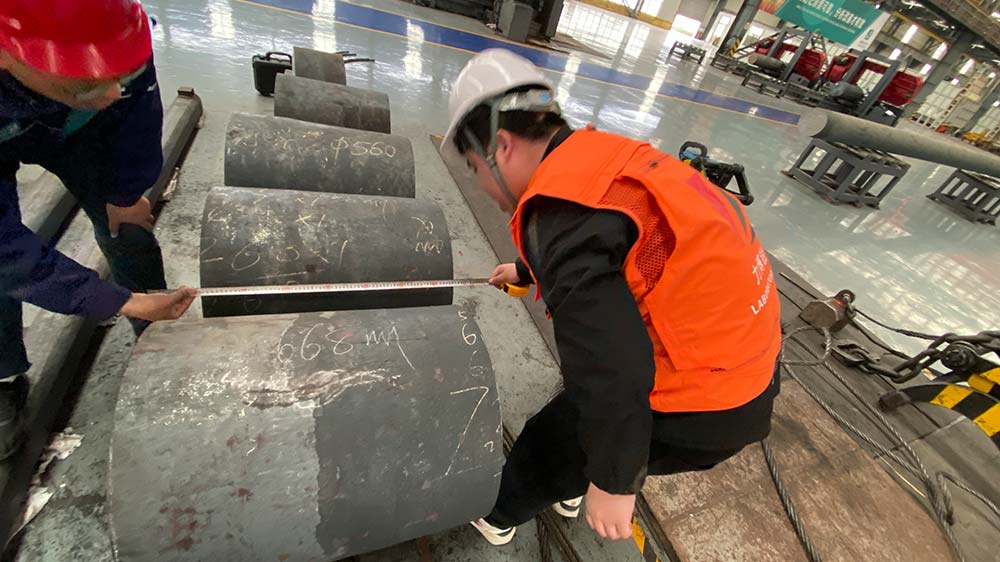
Dimensional inspection checks the physical measurements of metal products to ensure that they conform to specified dimensions. This inspection type is critical for parts that need to fit precisely within a mechanical system. A deviation in size could lead to assembly issues or even product failure.
Using advanced equipment like Coordinate Measuring Machines (CMM), dimensional inspections assess factors like length, width, and thickness. This helps manufacturers ensure that their metal products are ready for further processing or use in critical applications.
How Non-Destructive Testing (NDT) Enhances Inspection Accuracy
Ultrasonic Testing: Detecting Hidden Flaws
Ultrasonic testing is one of the most commonly used nondestructive testing methods for bulk metal products. It uses high-frequency sound waves to detect internal flaws, such as voids, cracks, or inclusions, without causing any damage to the material. This type of testing is crucial for ensuring the structural integrity of metal components, especially in industries like aerospace and automotive, where metal parts undergo significant stress during use.
By utilizing ultrasonic waves, inspectors can identify issues in the inner layers of the metal that might not be visible from the surface. This method significantly enhances the reliability of metal products, especially in mission-critical applications.
Magnetic Particle Testing: A Surface-Level Inspection
Magnetic particle testing (MPT) is another widely used method in bulk metal inspections. It is most effective for detecting surface or near-surface defects in ferromagnetic materials like steel. The process involves magnetizing the metal and applying magnetic particles to the surface. Any defects will disrupt the magnetic field, causing the particles to accumulate at the flaw site, making it visible to the inspector.
This method is ideal for detecting cracks or other surface-level issues that could compromise the performance of metal components. Magnetic particle testing is quick, reliable, and often used alongside other inspection types for comprehensive quality assurance.
A Comparison of Inspection Types
Below is a comparison of the most common inspection types used in bulk metal orders:
| Inspection Type | Purpose | Suitable For | Limitations |
|---|---|---|---|
| Visual Inspection | Detect surface defects | Large batches of basic metal parts | Cannot detect internal flaws |
| Dimensional Inspection | Measure size and shape | Precision parts for assembly | Requires advanced measuring tools (CMM) |
| Ultrasonic Testing | Identify internal defects | High-stress or high-performance parts | Limited to certain material types |
| Magnetic Particle Testing | Detect surface and near-surface defects | Ferromagnetic metals (steel, iron) | Only works on magnetic materials |
| Radiographic Inspection | Inspect internal flaws using X-rays | Critical components in structural applications | Expensive and time-consuming |
This table highlights the advantages and limitations of each inspection type, giving manufacturers a clear picture of which methods are best suited to different needs.
Conclusion
Ensuring the quality and compliance of bulk metal orders requires a combination of multiple inspection types. From visual inspections to nondestructive testing, each method plays a unique role in guaranteeing the final product meets high standards. A well-balanced combination of these inspection methods ensures your metal products are safe, durable, and reliable.
Shandong Laboratory‘s experienced team will provide expert guidance to help you select the most suitable metal order inspection methods. We understand the critical importance of maintaining product quality and are committed to delivering precise, actionable results tailored to your specific requirements.
What’s Next?
If you want to ensure your bulk metal orders pass rigorous quality checks, contact Shandong Laboratory today to discuss the right inspection methods for your needs. Our experts are here to help you navigate the complexities of metal inspections and ensure the integrity of your products.
FAQ
What inspection types are most commonly used in metal manufacturing?
The most common inspections include visual inspection, dimensional inspection, ultrasonic testing, and magnetic particle testing. These methods help identify defects and ensure the product meets required specifications.
Why is nondestructive testing important for metal products?
Non-destructive testing methods, like ultrasonic and magnetic particle testing, allow for the detection of internal and surface defects without damaging the material. This ensures that metal products maintain their integrity and are safe for use.
How can I choose the right inspection type for my bulk metal order?
The best inspection method depends on the specific requirements of your project. For example, ultrasonic testing is ideal for high-stress components, while dimensional inspection is necessary for precision parts. Consulting an expert can help you make an informed decision.
How often should inspections be conducted on bulk metal products?
The frequency of inspections depends on factors such as the type of metal, the intended application, and industry standards. Regular inspections are recommended, especially for parts exposed to high stress or critical functions.