
Table of Contents
Introduction
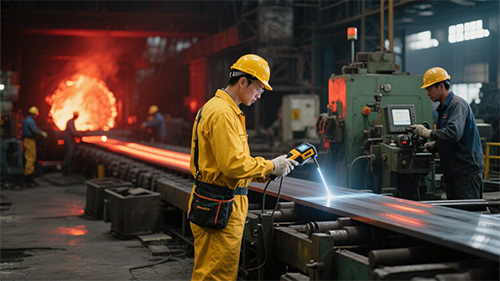
In today’s fiercely competitive and highly regulated business environment, ensuring compliance and quality is critical to long-term success. Whether you operate in manufacturing, technology, or services, meeting compliance standards and maintaining exceptional quality significantly impacts your brand reputation, operational efficiency, and profitability.
Shandong Laboratory, a leading third-party testing organization with expertise in metal materials testing, understands the critical importance of balancing these two key elements. Our team of experienced engineers is dedicated to helping businesses navigate complex regulatory landscapes while ensuring their products meet the highest quality standards. In this blog, we explore how integrating quality assurance and compliance drives corporate success.
The Importance of Compliance and Quality in Business Operations
Ensuring compliance and quality isn’t just a legal requirement; it’s a strategic advantage. Compliance ensures that your business meets industry regulations, protects consumer rights, and avoids costly penalties. Quality, on the other hand, focuses on maintaining high standards in products and services, ensuring that customers receive consistent value and performance.
Both elements are interdependent—non-compliance can lead to fines or shutdowns, while poor-quality products can result in returns, brand damage, and loss of customer trust. By focusing on quality assurance and compliance together, companies can achieve sustainable success while minimizing risks.
Compliance and Quality in the Supply Chain: A Critical Link

Your business’s supply chain plays a vital role in maintaining both compliance and quality. Every supplier, vendor, and manufacturer needs to adhere to the same standards to ensure that the final product meets your expectations and complies with regulatory requirements.
By establishing clear quality control and compliance measures with your suppliers, you ensure that every step of the process contributes to a product that is both safe and reliable. This synergy helps businesses avoid delays, reduce waste, and optimize performance, leading to a more efficient supply chain.
Table: Key Compliance and Quality Indicators in the Supply Chain
| Compliance Factor | Quality Control Factor | Impact on Supply Chain |
|---|---|---|
| Regulatory Certifications | Material Testing | Ensures product safety and legality |
| Environmental Standards | Product Consistency | Prevents environmental risks and waste |
| Labor Laws | Production Monitoring | Guarantees ethical production and quality |
| Health and Safety Regulations | Performance Testing | Safeguards end-user safety and reliability |
How Compliance and Quality Influence Your Brand Reputation

Both quality assurance and compliance directly affect your brand’s reputation. Compliance ensures that your business aligns with industry standards and legal frameworks, which builds consumer trust. Meanwhile, delivering high-quality products guarantees customer satisfaction, loyalty, and positive word-of-mouth.
A solid reputation is not built overnight, but when businesses maintain strict adherence to compliance regulations while consistently offering quality products, they set themselves apart from competitors. As a result, customers are more likely to return, and businesses are better positioned to thrive in a crowded marketplace.
Measuring the Impact of Compliance and Quality on Business Performance

Effective measurement of compliance and quality helps businesses understand the areas they excel in and the areas that need improvement. Key performance indicators (KPIs) such as defect rates, regulatory audit results, and customer feedback provide insight into how well your company meets these two vital areas.
For example, industries that heavily rely on quality control and compliance, such as healthcare and manufacturing, often use KPIs like
- Regulatory Audit Results: Compliance with health, safety, and environmental laws.
- Product Defect Rates: Frequency of defects or failures in a product batch.
- Customer Satisfaction: Feedback from customers on product quality and service delivery.
Monitoring these KPIs ensures businesses remain on track and continue to meet compliance standards while maintaining quality.
Conclusion
Ensuring compliance and quality go hand in hand is not merely a regulatory requirement but a competitive advantage. Companies that master this balance not only mitigate risks but also lay the foundation for long-term growth and customer loyalty. As regulations continue to evolve, staying informed and proactive is crucial. Now is the perfect time to evaluate your processes, enhance your quality management system, and ensure every step meets compliance standards.
Shandong Laboratory offers expert guidance in quality control and compliance through comprehensive testing services. If you’re ready to elevate your business operations to new heights, contact us today to learn how we can help you achieve excellence in compliance and quality.
FAQ
What’s the difference between compliance and quality?
Compliance refers to adhering to industry standards and legal regulations, while quality focuses on the product’s performance, consistency, and reliability.
How can my business ensure compliance and quality in manufacturing?
By establishing strict quality control measures, conducting regular audits, and working with certified suppliers, you can ensure both quality assurance and compliance in your manufacturing process.
How do I measure the success of compliance and quality efforts?
Use key performance indicators (KPIs) such as audit results, defect rates, and customer satisfaction to assess how well your business is performing in terms of quality assurance and compliance.
Can poor quality impact compliance?
Yes, poor-quality products can lead to non-compliance, particularly in regulated industries like healthcare or food production, where safety standards are critical.
Why is it important to integrate compliance and quality in my supply chain?
Integrating quality assurance and compliance into your supply chain ensures that every step of the production process meets the necessary legal requirements and maintains the desired product quality, preventing costly delays or failures.