
Table of Contents
Introduction
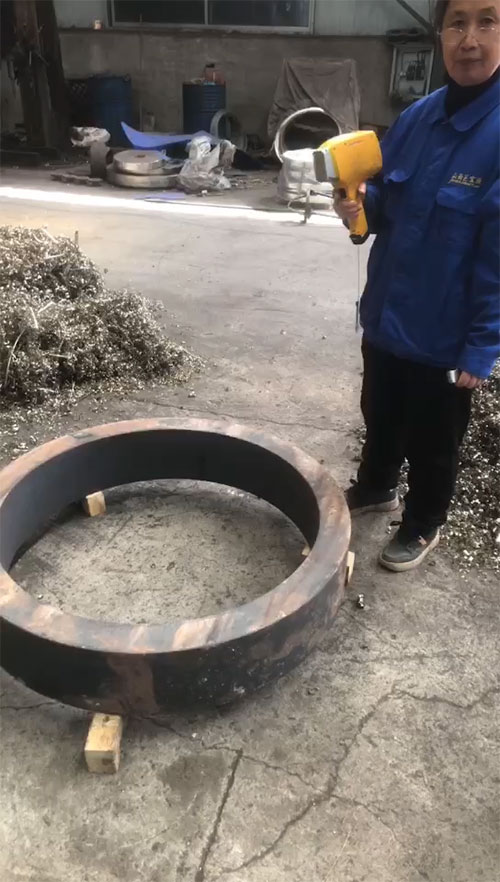
In the manufacturing industry, improve production quality is crucial to maintaining a competitive advantage and ensuring the reliability of end products. Choosing the right test method plays a crucial role in this process. Proper testing not only ensures that materials and components meet required standards but also ensures that products perform well under real-world conditions.
In this blog, we will delve into various test methods and explore how they can help improve production quality. By carefully selecting the most appropriate testing technology, manufacturers can avoid costly errors, improve product reliability, and streamline production processes.
How Accurate Metal Composition Analysis Improve Production Quality
One of the most important steps in improve production quality is understanding the composition of the materials used. Accurate metal composition analysis ensures that manufacturers can verify whether the materials meet the necessary standards before they are used in production.
Testing methods like X-Ray Fluorescence (XRF) and Inductively Coupled Plasma (ICP) provide precise details about the metal’s composition. This allows manufacturers to detect impurities or incorrect metal mixtures early in the process, which helps in avoiding defects and ensuring that the final product is of the highest quality.
Why Choosing Spectroscopic Testing Can Enhance Metal Testing Quality
Spectroscopic testing techniques, such as ring spectrometers, laser-induced breakdown spectroscopy (LIBS), and optical emission spectroscopy (OES), are widely used to determine the elemental composition of metals. These methods are effective, quick, and non-destructive, which is why they have become a standard in many industries.
These testing methods can enhance production quality by ensuring that the materials being used meet the required specifications. For example, using Ring Spectrometers can accurately identify the metal’s elemental content, allowing for faster quality control and reducing the risk of material failure during production.
The Role of Nondestructive Testing in Improve Production Quality

Nondestructive Testing (NDT) is one of the best ways to improve production quality without damaging the materials being tested. Common methods like Ultrasonic Testing (UT), Magnetic Particle Inspection (MPI), and Eddy Current Testing can detect both surface and internal defects in materials without compromising their integrity.
By implementing NDT early in the manufacturing process, manufacturers can identify problems such as cracks, voids, or structural weaknesses in materials before they turn into costly defects. This proactive approach ensures that only the highest-quality materials make it to the final production stage.
How Regular Testing Can Improve Production Quality
Consistency is key to maintaining production quality. Regular testing throughout the production process ensures that every batch of materials or finished products meets the necessary standards. Incorporating frequent quality checks—from raw materials to finished products—helps to identify inconsistencies and defects early.
Regular testing doesn’t just improve the product’s quality but also ensures a smoother production process. By catching potential issues before they escalate, manufacturers can avoid delays, reduce waste, and improve the overall production flow.
The Importance of Selecting the Right Testing Method for Metal Alloys
Different metal alloys have different requirements when it comes to testing. For instance, materials used in the aerospace and automotive industries need to be tested for specific properties like tensile strength and corrosion resistance.
Choosing the right testing method for each metal alloy is crucial to ensuring the production quality of the final product. By using techniques like Optical Emission Spectroscopy (OES) or Tensile Testing, manufacturers can ensure that their materials meet the necessary performance criteria for their intended applications.
The Benefits of Using Discovery Inspections in Metal Testing
Discovery Inspections are an essential part of ensuring that metal materials are suitable for use in production. These inspections involve a detailed review of the materials at various stages of production. By performing discovery inspections, manufacturers can detect flaws in the materials early, allowing for timely corrections.
Discovery inspections help to ensure that materials are compliant with industry standards, preventing non-compliance issues that could otherwise lead to costly production errors or safety risks. By identifying issues upfront, manufacturers can enhance the quality of their products while reducing the chances of defects further down the production line.
Maximizing Production Efficiency with Accurate Metal Testing

The efficiency of the production process is closely tied to the accuracy of metal testing. When manufacturers use reliable testing methods, they can make informed decisions quickly, ensuring that production stays on schedule.
Methods like Laser-Induced Breakdown Spectroscopy (LIBS) and Inductively Coupled Plasma (ICP) allow for rapid and accurate testing, speeding up the quality control process. This results in fewer delays and a smoother production flow, ultimately improving the overall quality of the final product.
Why Precision Testing Reduces Production Defects
Precision testing methods are essential for identifying even the smallest inconsistencies in metal composition. Tests like X-Ray Fluorescence (XRF) and Tensile Strength Testing help manufacturers detect these subtle issues before they lead to defects in the final product.
By utilizing precision testing, manufacturers can reduce the risk of production defects and ensure that each product meets the necessary quality standards. This results in fewer reworks, less waste, and a higher level of product reliability.
How Quality Control Testing Methods Ensure Compliance with Industry Standards
Industry regulations and standards play a critical role in ensuring that products are safe, functional, and high-quality. Regular quality control testing ensures that metal materials and components meet the required standards for specific industries.
Testing methods like chemical analysis, spectroscopy, and tensile testing help manufacturers verify that their materials meet regulatory guidelines, minimizing the risk of compliance issues and product recalls. By adhering to these standards, manufacturers can enhance their credibility and establish trust with their customers.
How Metal Testing Improve Production Quality and Safety
For industries where safety is a top priority, like aerospace or automotive, metal testing is essential to ensure that materials are strong, durable, and capable of performing under extreme conditions.
Tests like impact testing, fatigue testing, and tensile testing can evaluate the metal’s ability to withstand stresses and ensure its reliability. By performing these tests, manufacturers can create safer products that meet the high standards required for critical applications.
Table: Common Metal Testing Methods For Improve Production Quality
| Testing Method | Key Benefits | Ideal Use Case |
|---|---|---|
| Ring Spectrometry | Accurate analysis of metal composition | Metal alloy composition analysis |
| X-Ray Fluorescence (XRF) | Non-destructive, quick results | Identification of elements in alloys |
| Laser-Induced Breakdown Spectroscopy (LIBS) | Fast, precise, multi-element testing | Testing metals and alloys in real-time |
| Ultrasonic Testing (UT) | Detects internal defects without damage | Detects cracks and inclusions in metals |
| Magnetic Particle Inspection (MPI) | Detects surface cracks or defects | Ideal for ferromagnetic materials |
| Tensile Testing | Measures material strength | Ensures strength and durability of metals |
| Inductively Coupled Plasma (ICP) | Highly sensitive detection of trace elements | Used for precise analysis of metallic samples |
Conclusion
Improve production quality requires a combination of strategic decisions and precise actions. The right testing methods—from spectroscopic analysis to discovery inspections—ensure that your materials are up to standard and ready for production. By incorporating consistent and reliable testing throughout the production process, manufacturers can avoid costly mistakes, minimize defects, and enhance product reliability.
At Shandong Laboratory, we specialize in providing tailored metal testing solutions that cater to your specific needs. Our team of expert engineers is dedicated to offering the most accurate, comprehensive testing methods to help you maintain high-quality standards across all your production lines. If you’re looking to elevate your production quality and ensure the integrity of your metal products, contact us today. Let us support you in achieving exceptional results with precision testing solutions.
FAQ
1. What is the improve production quality in metal manufacturing?
Spectroscopic testing helps accurately determine the composition of metals, ensuring that they meet the necessary standards for strength, durability, and performance.
How often should I perform metal testing during production?
Regular testing should be conducted at various stages of production—starting with raw materials, during production, and again before final product inspection—to maintain consistent quality.
Can non-destructive testing methods detect all types of defects in metal materials?
Non-destructive testing methods are highly effective at detecting internal and surface defects, but it’s essential to use the right method for the specific type of defect being inspected.