
Table of Contents
Introduction
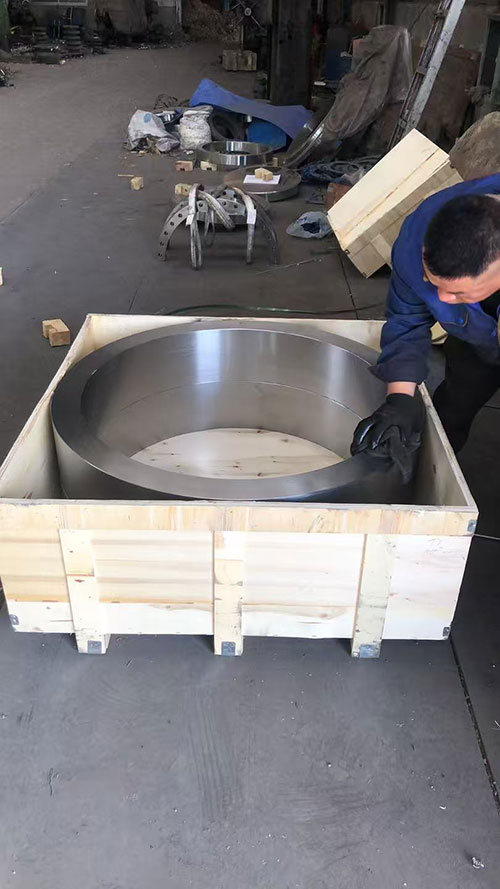
In any industry, maintaining high-quality manufacturing is critical to long-term success. When products meet or exceed quality standards, companies can ensure customer satisfaction, reduce defects, and improve overall operational efficiency. Whether you manufacture automotive parts, consumer electronics, or industrial machinery, consistency and quality in your production processes directly impact your profitability.
Shandong Laboratory specializes in providing comprehensive testing and inspection services to ensure your metal products meet industry standards. As a leading third-party testing institution, we collaborate with manufacturers to offer customized, scientifically validated testing solutions that enable faster quality checks throughout the production cycle and enhance reliability. Our experienced engineers, equipped with advanced tools and deep industry expertise, help businesses achieve the highest manufacturing quality.
The Role of Consistency in Manufacturing Quality
One of the foundational principles of manufacturing quality is consistency. When manufacturers consistently produce high-quality products, they create trust with customers, streamline operations, and avoid costly rework. Consistency ensures that every product meets the same high standards, and this has a significant impact on customer loyalty and overall brand reputation.
Without consistency, businesses may face fluctuating production rates, dissatisfied customers, and even regulatory issues. Whether you’re in automotive, electronics, or consumer goods, consistency is essential for achieving long-term success in manufacturing.
How Quality Control Impacts Operational Efficiency

Quality control (QC) plays a central role in improving operational efficiency. By implementing robust QC measures, manufacturers can catch issues early in the production process, saving both time and money. Effective QC practices reduce waste, minimize defects, and prevent costly delays, which ultimately boosts the profitability of manufacturing operations.
Manufacturers that invest in quality control are better positioned to scale production without sacrificing quality. This leads to higher customer satisfaction, fewer returns, and greater overall operational efficiency.
The Cost of Poor Manufacturing Quality: Beyond the Defects
While defective products are an obvious consequence of poor manufacturing quality, the hidden costs are often more detrimental. Poor quality can lead to significant financial losses due to customer complaints, returns, damaged brand reputation, and even legal liabilities. Moreover, manufacturing errors may cause delays in production, affecting supply chain relationships and increasing operational costs.
According to industry reports, companies that fail to invest in high-quality manufacturing processes experience increased rework costs, longer production timelines, and lower profitability. On the other hand, companies that emphasize quality reduce long-term costs and increase their market share.
How Technology Enhances Manufacturing Quality Control

Modern technologies such as AI, machine learning, and automation play a critical role in enhancing manufacturing quality. Automated systems can detect defects faster and more accurately than manual inspections, enabling manufacturers to reduce human error and speed up the quality assurance process.
Furthermore, predictive maintenance tools help avoid equipment breakdowns, and real-time data analysis enables better decision-making regarding quality improvements. By leveraging these technologies, manufacturers can ensure that quality is built into every step of the production process.
Building a Quality Management System in Manufacturing
A quality management system (QMS) is a structured approach to ensuring that products meet customer and regulatory requirements. A QMS standardizes processes, ensures accountability, and creates a culture of quality throughout the organization. This system focuses on continuous improvement, employee engagement, and comprehensive documentation, ensuring that all quality checks are carried out effectively.
Building a QMS can drastically improve operational efficiency and provide valuable insights into potential areas for improvement, creating a strong foundation for long-term success.
Why Quality Audits Are Crucial for Long-Term Manufacturing Success
Conducting regular quality audits is essential for manufacturers seeking to maintain high-quality standards. These audits help identify potential weak spots in your processes, ensuring that quality issues are caught before they escalate. Audits also ensure compliance with regulatory standards and certification requirements.
Through quality audits, manufacturers can assess their operations, pinpoint areas for improvement, and implement corrective actions that help maintain product quality over time. Regular audits foster a culture of continuous improvement, helping organizations stay ahead of competitors.
The Link Between Manufacturing Quality and Customer Retention
The relationship between manufacturing quality and customer retention cannot be overstated. High-quality products not only attract customers initially but also help retain them in the long run. By providing consistent, reliable products, manufacturers ensure that their customers remain loyal, reducing churn rates and increasing repeat business.
Satisfied customers become brand advocates, and their positive experiences lead to valuable word-of-mouth marketing. This is especially true in industries where product quality directly impacts consumer safety and satisfaction.
Key Metrics to Measure Manufacturing Quality Effectively
Measuring manufacturing quality effectively is essential for continuous improvement. Key performance indicators (KPIs) such as defect rates, yield rates, and customer satisfaction scores provide valuable insights into production processes. These metrics help identify trends, pinpoint areas for improvement, and ensure that quality standards are consistently met.
Regularly monitoring these KPIs enables manufacturers to fine-tune their operations, optimize workflows, and achieve higher production standards.
The Impact of Quality on Supply Chain Management

Manufacturing quality directly influences supply chain efficiency. Poor-quality products can lead to delays, shortages, and disruptions in the supply chain, causing frustration for both suppliers and customers. By focusing on manufacturing quality, manufacturers can create a more reliable and efficient supply chain, ensuring that raw materials, components, and finished goods are consistently of the highest quality.
A quality-driven supply chain fosters stronger supplier relationships, reduces stockouts, and enhances overall production timelines.
The Importance of Continuous Improvement in Manufacturing Quality
Continuous improvement is the backbone of long-term manufacturing quality. By constantly reviewing and refining processes, manufacturers can stay competitive, minimize waste, and improve product quality. The concept of Kaizen—small, incremental improvements—has been widely adopted across industries to promote ongoing optimization of manufacturing processes.
Investing in continuous improvement ensures that quality standards evolve with changing market demands, technological advancements, and regulatory requirements.
Conclusion
Manufacturing quality is not just a short-term goal, but a long-term commitment. It is critical to operational efficiency, customer satisfaction, and overall business success. Whether you are implementing quality control systems, leveraging advanced technologies, or fostering a culture of continuous improvement, focusing on quality will enable your company to achieve sustained success.
Shandong Laboratory offers comprehensive quality testing services to help you maintain the highest manufacturing standards. If you want to improve manufacturing quality and ensure long-term success, contact our team today and we will provide professional solutions tailored to your needs.
FAQ
What is manufacturing quality?
Manufacturing quality refers to the ability of a manufacturing process to produce products that meet specified standards, are defect-free, and satisfy customer needs.
Why is quality control important in manufacturing?
Quality control ensures that products meet consistency and safety standards, reducing defects, wastage, and operational costs.
How can I improve manufacturing quality?
Improving manufacturing quality involves implementing efficient quality control measures, leveraging technology, conducting regular audits, and promoting continuous improvement.