
Table of Contents
Introduction

In the metal and steel industry, maintaining product quality is critical to your business reputation, operational efficiency, and customer satisfaction. Quality inspection services provide a systematic approach to verify that your products meet industry standards and client specifications. By detecting potential defects early, these services help you avoid costly rework, delays, and compliance issues.
Whether you are launching a new production line or preparing a shipment, understanding quality inspection processes and their benefits is essential for anyone working with metal products. In this guide, we will explore different inspection types, common defects, the advantages of professional services, and how to select the right provider for your business.
The Importance of Quality Inspection in Metal and Steel Industry
Professional quality inspection services are essential for ensuring that steel and metal products meet required standards. According to industry reports, up to 15% of metal products may contain defects if they are not properly inspected, potentially leading to structural failures or customer dissatisfaction.
By implementing thorough inspections, you can:
- Ensure compliance with industry and client specifications.
- Minimize the risk of defective products reaching your customers.
- Enhance operational efficiency by identifying process gaps early.
- Strengthen your brand credibility and client trust.
Types of Quality Inspection Services
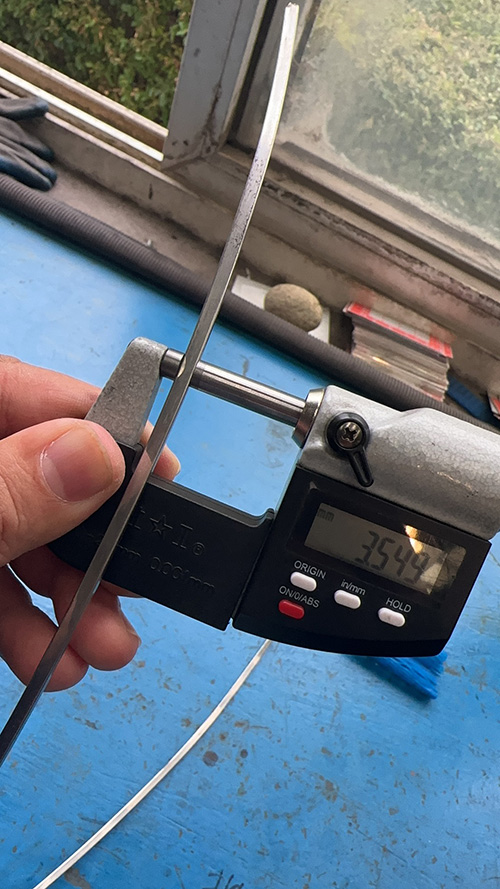
First Article Inspection (FAI)
FAI involves testing the initial samples of a new production batch to verify that design specifications and material requirements are met. This step is crucial for catching deviations early, preventing larger-scale errors in production.
In-Process Inspection
In-process inspection monitors products during the manufacturing cycle. This proactive approach allows issues to be corrected immediately, reducing scrap rates and avoiding delays.
Final Pre-Shipment Inspection
Before products leave your facility, a final inspection ensures that all items comply with contractual and regulatory requirements. This step reduces customer complaints and returns.
Material Testing and Certification
Material testing confirms the chemical composition, mechanical properties, and structural integrity of metals. Certification provides documented proof that products meet recognized standards, which is critical for industrial clients and regulatory compliance.
Common Steel and Metal Defects Detected
Understanding the types of defects that can occur helps you appreciate the value of quality inspection services. Below is a table summarizing common issues and detection methods:
| Defect Type | Cause | Detection Method | Impact on Product |
|---|---|---|---|
| Cracks | Stress, improper cooling | Visual inspection, ultrasonic testing | Structural failure, weak points |
| Surface Pitting | Corrosion, chemical exposure | Visual inspection, microscopy | Reduced lifespan and performance |
| Dimensional Variance | Machine error, thermal expansion | Calipers, CMM measurement | Poor fit and assembly issues |
| Inclusions | Impurities in steel | Metallography, X-ray analysis | Compromised strength and durability |
| Warping | Heat treatment or stress | Dimensional checks | Misalignment in assemblies, operational issues |
Benefits of Hiring Professional Quality Inspection Services
Engaging professional services brings numerous advantages:
- Accurate and reliable testing data.
- Early detection of manufacturing errors.
- Reduced production costs and waste.
- Assurance that your products meet client and regulatory standards.
These benefits translate into tangible results for your business, including improved delivery timelines, fewer returns, and stronger customer relationships.
How to Choose the Right Quality Inspection Provider
Selecting a quality inspection service provider is crucial. Key considerations include:
- Technical qualifications and certification of the provider.
- Industry experience, particularly in steel and metal products.
- Scope of services, including material testing, dimensional checks, and compliance verification.
- Track record and client references to validate credibility and effectiveness.
Cost vs. Value of Quality Inspection Services
While some companies may view inspections as an added expense, the long-term value far outweighs the cost. By preventing defects, recalls, and production delays, professional inspections provide a clear return on investment. For example, detecting a defect early in a batch of 1,000 steel parts could save thousands in rework and potential liability claims.
Conclusion
Professional quality inspection services are indispensable for businesses in the metal and steel industry. By detecting defects early, ensuring compliance, and providing reliable documentation, these services save time, reduce costs, and protect your brand reputation.
If you want to ensure that every metal product you produce or ship meets the highest quality standards, our experts are ready to help. Contact us today for a personalized consultation, and take the first step toward reliable and consistent quality for your business. Don’t wait until defects affect your clients—reach out now to secure your production quality!
FAQ
What is the difference between quality control and quality inspection services?
Quality control involves monitoring and controlling the production process, while quality inspection services focus on verifying the final product against specifications.
How long does a typical inspection take?
The duration depends on product complexity and inspection type. First article inspections may take a few hours, while full pre-shipment inspections could take one or more days.
Can inspections reduce product recalls?
Yes, professional inspections identify defects before products reach the market, significantly reducing recall risks.
Are inspections necessary for small production runs?
Even small batches benefit from inspections, especially when client specifications or safety standards are critical.
What equipment is typically used for metal inspections?
Inspection tools include calipers, coordinate measuring machines (CMM), ultrasonic testers, hardness testers, and metallography equipment.