
Welcome to My Blog! Before we dive into the content, I’d love for you to join me on my social media platforms where I share more insights, engage with the community, and post updates. Here’s how you can connect with me: Facebook:https://www.facebook.com/profile.php?id=100085401406977
LinkedIn:https://www.linkedin.com/showcase/102680001/admin/dashboard/ Now, let’s get started on our journey together. I hope you find the content here insightful, engaging, and valuable.
Table of Contents
Introduction
Understanding the material properties and applications of various types of steel is crucial for numerous industries, from construction to manufacturing. One type that stands out due to its versatility and robustness is 4140 steel. But what is 4140 steel? In this article, we will delve into its composition, properties, applications, and answer some frequently asked questions. By the end, you’ll have a comprehensive understanding of 4140 steel and why it is widely utilized in different sectors.
Composition of 4140 Steel
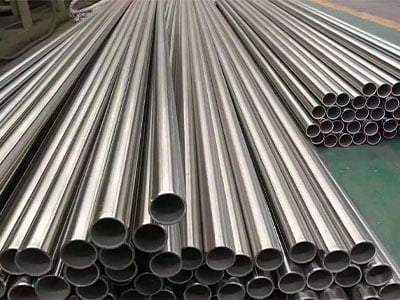
What is 4140 steel ?4140 steel is a low-alloy steel that contains several key elements, each contributing to its unique properties. The table below summarizes the typical chemical composition of 4140 steel:
| Element | Composition (%) |
|---|---|
| Carbon | 0.38 – 0.43 |
| Manganese | 0.75 – 1.00 |
| Phosphorus | 0.035 max |
| Sulfur | 0.040 max |
| Silicon | 0.15 – 0.35 |
| Chromium | 0.80 – 1.10 |
| Molybdenum | 0.15 – 0.25 |
These elements work together to enhance the mechanical properties of 4140 steel, making it suitable for a wide range of applications.
Properties of 4140 Steel
Mechanical Properties
What is 4140 steel ? 4140 steel is renowned for its excellent mechanical properties. It offers a balanced combination of strength, toughness, and wear resistance. The table below provides a summary of its key mechanical properties:
| Property | Value |
|---|---|
| Tensile Strength | 655 MPa (min) |
| Yield Strength | 415 MPa (min) |
| Elongation | 20% |
| Reduction of Area | 45% |
| Hardness | 197 HBW (max) |
Heat Treatment
One of the significant advantages of 4140 steel is its responsiveness to heat treatment. Heat treatment processes such as annealing, quenching, and tempering can significantly alter its properties, tailoring them to specific needs.
- Annealing: Improves machinability and reduces hardness.
- Quenching: Increases hardness and strength.
- Tempering: Balances strength and ductility, improving overall toughness.
Wear Resistance
Due to its composition, particularly the presence of chromium and molybdenum, 4140 steel exhibits excellent wear resistance. This makes it suitable for parts that undergo significant friction and wear.
Applications of 4140 Steel
4140 steel’s unique properties make it ideal for a wide array of applications across various industries. Some of the most common uses include:
Automotive Industry
In the automotive sector, 4140 steel is used for manufacturing crankshafts, gears, and axles due to its high strength and wear resistance. These components require materials that can withstand high stress and wear, making 4140 steel an excellent choice.
Construction Industry
4140 steel is widely used in the construction industry for making high-strength structural components. It is used in the production of construction machinery parts, such as shafts, couplings, and bolts, which demand high durability and strength.
Tool and Die Making
In tool and die making, 4140 steel is utilized for creating molds, dies, and fixtures. Its ability to maintain high hardness and strength after heat treatment makes it ideal for tools that need to endure repetitive stress and wear.
Oil and Gas Industry
In the oil and gas industry, 4140 steel is employed in the manufacture of drill collars, tool joints, and other downhole equipment. Its toughness and resistance to high pressure and wear are critical for the harsh environments encountered in drilling operations.
Heat Treatment Processes for 4140 Steel
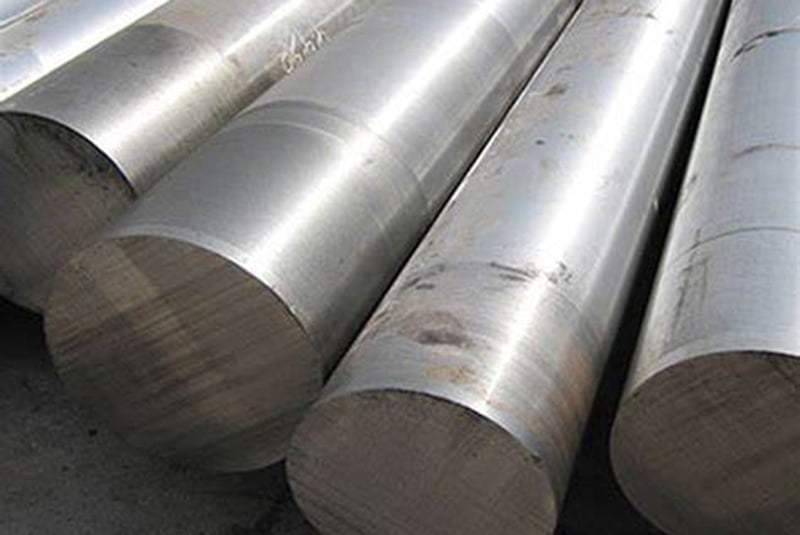
Heat treatment can significantly enhance the properties of 4140 steel. Below are some of the common heat treatment processes applied to 4140 steel:
Normalizing
Normalizing involves heating the steel to a temperature above its critical point and then cooling it in air. This process refines the grain structure, improving toughness and machinability.
Quenching and Tempering
Quenching involves heating the steel to a high temperature and then rapidly cooling it in water or oil. This process increases hardness and strength. Tempering follows quenching and involves reheating the steel to a lower temperature, then cooling it in air. This process balances hardness with toughness, reducing brittleness.
Annealing
Annealing involves heating the steel to a high temperature and then cooling it slowly in a furnace. This process softens the steel, making it easier to machine and increasing its ductility.
Comparison with Other Steels
4140 steel is often compared with other types of steel to determine the best material for a specific application. The table below compares 4140 steel with 4130 steel and 4340 steel:
| Property | 4140 Steel | 4130 Steel | 4340 Steel |
|---|---|---|---|
| Carbon Content | 0.38 – 0.43% | 0.28 – 0.33% | 0.38 – 0.43% |
| Chromium Content | 0.80 – 1.10% | 0.80 – 1.10% | 0.70 – 0.90% |
| Tensile Strength | 655 MPa (min) | 560 MPa (min) | 745 MPa (min) |
| Yield Strength | 415 MPa (min) | 460 MPa (min) | 470 MPa (min) |
| Hardness | 197 HBW (max) | 156 HBW (max) | 217 HBW (max) |
| Main Application | Automotive, Construction | Aircraft, Racing | High-Stress Components |
Conclusion:What is 4140 Steel
4140 steel is a versatile and robust alloy steel that finds applications across numerous industries due to its excellent mechanical properties, heat treatment responsiveness, and wear resistance. Whether used in automotive components, construction machinery, tools, or oil and gas equipment, 4140 steel’s balanced properties make it an ideal choice for high-stress and high-wear applications. Understanding its composition, properties, and suitable heat treatment processes can help in selecting the right material for your specific needs, ensuring optimal performance and longevity.
FAQ
What is 4140 steel used for?
4140 steel is used for a variety of applications, including automotive components (such as gears and crankshafts), construction machinery parts (such as shafts and bolts), tools and dies, and oil and gas drilling equipment.
What is 4140 Steel heat-treated?
4140 steel can undergo several heat treatment processes, including normalizing, quenching, tempering, and annealing, to enhance its mechanical properties for specific applications.
What are the main properties of 4140 steel?
4140 steel is known for its high tensile strength, yield strength, toughness, wear resistance, and excellent machinability, especially after heat treatment.
What is 4140 Steel compare to 4130 steel?
4140 steel has a higher carbon content than 4130 steel, which gives it greater strength and hardness. However, 4130 steel offers better weldability and is often used in applications requiring intricate welding, such as aircraft structures.
Can 4140 steel be welded?
Yes, 4140 steel can be welded, but it requires preheating and post-weld heat treatment to avoid cracking and ensure the integrity of the weld joint.
What is 4140 Steel and what makes it different from other alloy steels?
4140 steel is a chromium-molybdenum alloy steel known for its high strength, hardness, and excellent fatigue resistance. What is 4140 Steel often gets asked because it’s tougher and more versatile than many standard carbon steels, making it ideal for demanding engineering applications.
What is 4140 Steel typically used for in manufacturing and industry?
What is 4140 Steel used for? It’s commonly used in shafts, gears, bolts, tool holders, and automotive parts due to its wear resistance and ability to withstand high stress and impact.