
Table of Contents
18 8 Stainless Steel Vs 304 compares two related materials that solve different problems. In simple terms, 18/8 is a broad recipe description; by contrast, 304 is a recognized grade name with defined chemistry limits. Neither name is automatically better in every situation.
This guide explains 18 8 stainless steel vs 304 from the beginning. It defines unfamiliar words, connects them with familiar objects, and separates common myths from what the material, process, or test actually shows. No metallurgy background is assumed.
The One-Minute Difference Between 18/8 Stainless and 304 Stainless
The main point on the 304 stainless side is that 304 is a recognized grade name with defined chemistry limits. A useful summary keeps cause and clue separate. A stain, magnetic pull, indentation, chip, or crack is a clue; the history of 304 stainless steel helps explain which cause is most plausible. For 18 8 stainless steel vs 304, this detail sets the context.
Rust resistance, magnetism, hardness, and strength in 304 stainless steel come from distinct mechanisms and should not be used as shortcuts for one another. This statement has a boundary. It explains the usual behavior of 304 stainless steel, not every surface, size, or condition that can exist. Keeping that boundary visible prevents a useful explanation from turning into an exaggerated claim. 18 8 stainless steel vs 304 is the topic behind this point.
How 18/8 Stainless Gets Its Character
Chromium helps form a thin protective surface film. That invisible film is the real reason 304 resists ordinary rust better than carbon steel. One way to read 18 8 stainless steel vs 304 is to separate what can be seen from what must be measured. Colour, shine, and shape are visible, whereas chemistry and inner arrangement need other kinds of evidence.
A metal can be harder yet less forgiving under a sudden blow, which is why one impressive figure cannot settle the whole comparison. The scale of the item shapes the explanation. A tiny sample gives a focused answer, whereas a long bar, wide sheet, or thick block may contain more variation across its surface and centre. 18 8 stainless steel vs 304 gives this detail its context.
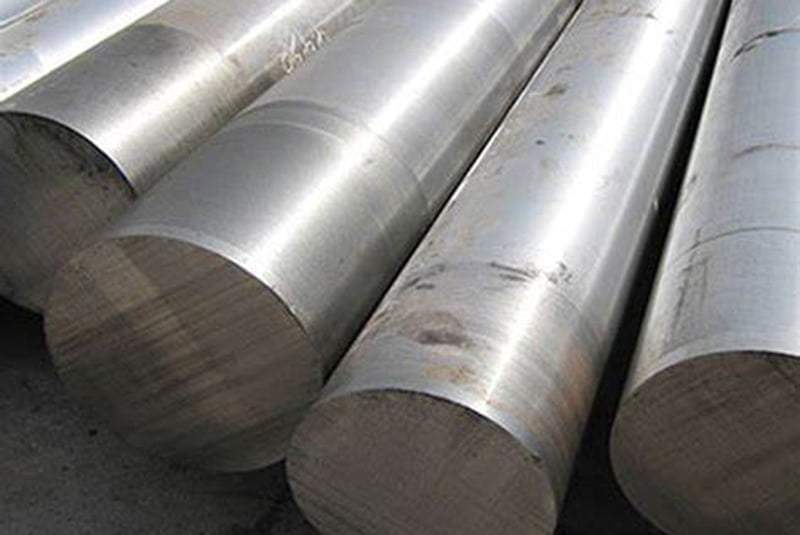
How 304 Stainless Behaves Differently: 18 8 Stainless Steel Vs 304
The surface of 304 stainless steel meets air, water, cutting tools, and rapid cooling first, so it can differ from the protected centre. Scale changes what people observe. A hand-sized sample, a thin strip, and a large block may cool at distinct speeds and expose distinct amounts of surface. This is one reason a short definition of 18 8 stainless steel vs 304 needs context.
304 is corrosion resistant rather than corrosion proof. Salt, trapped moisture, scratches, and iron contamination can still cause staining or attack. A helpful memory aid is a recipe: ingredients matter, but heating, cooling, timing, and shape change the final texture. The comparison has limits, yet it explains why composition alone cannot tell the complete story of 304 stainless steel. 18 8 stainless steel vs 304 is where this explanation belongs.
Strength, Hardness, and Toughness Are Separate Ideas
A thin strip of 304 stainless steel changes temperature quickly, whereas a large block can keep a much warmer or cooler centre for longer. Repeated exposure can reveal changes that one event may miss. Many small contacts, cycles, or exposures can gradually produce wear, fatigue, staining, or a change in 304 stainless steel that was not obvious at first. For this section, the focus is 18 8 stainless steel vs 304.
The main point on the 18/8 stainless side is that 18/8 is a broad recipe description. The best way to hold onto this point is to connect it with a familiar item from this group: kitchen equipment, tanks, tubing, sinks, covers, brackets, architectural trim, and food equipment. The item does not need every possible metal trait. It reveals how one behavior becomes noticeable in a particular shape or use. The relevant topic here is 18 8 stainless steel vs 304.
Everyday Examples That Make the Contrast Clearer: 18 8 Stainless Steel Vs 304
Heat treatment can widen or narrow the gap between related grades because it changes their inner arrangement. A test reading is best read as one observation under named conditions. It may accurately define a small area or sample without describing every point in a large item. This limit is part of understanding 304 stainless steel, not a reason to ignore testing. For 18 8 stainless steel vs 304, this detail sets the context.
Wear on 304 stainless steel may come from rubbing, impact, heat, corrosion, or particles; those causes leave distinct clues even when the final damage looks similar. Appearance alone cannot confirm this behavior. Polishing can make unrelated steels look alike, and corrosion can make related steels look distinct. What happens inside 304 stainless steel depends on arrangement and history as well as on the visible surface. 18 8 stainless steel vs 304 is the topic behind this point.
| Idea | 18/8 Stainless | 304 Stainless |
|---|---|---|
| Article topic | 18 8 stainless steel vs 304 | 18 8 stainless steel vs 304 |
| Main difference | 18/8 is a broad recipe description | 304 is a recognized grade name with defined chemistry limits |
| Appearance | may look similar to related steels | may look similar to related steels |
| Important limit | condition changes the behavior | condition changes the behavior |
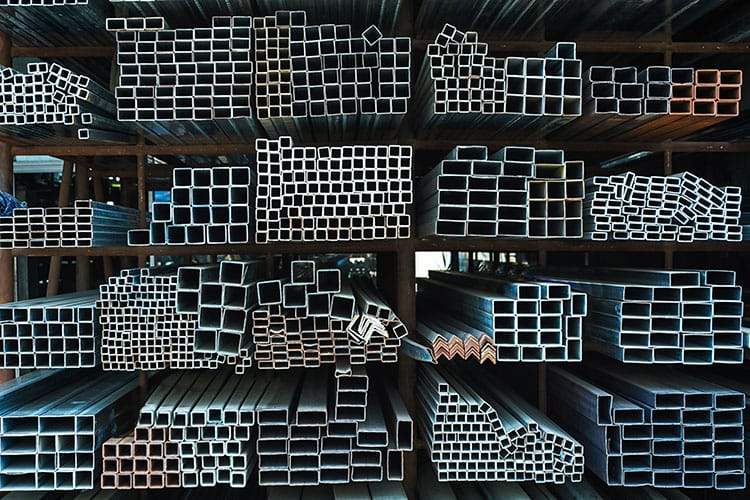
Why Processing Can Reverse a Simple Comparison
A trait figure for 304 stainless steel needs a label and condition because hardness, yield strength, tensile strength, and toughness define distinct responses. This becomes easier to see in real pieces such as kitchen equipment, tanks, tubing, sinks, covers, brackets, architectural trim, and food equipment. A thin item changes temperature quickly, but a thick one can keep a distinct centre for longer. The item’s shape therefore changes how the same metal point appears in practice. In 18 8 stainless steel vs 304, this is the relevant connection.
The name 304 stainless steel becomes clearer when chemistry, inner arrangement, condition, shape, and environment are treated as separate layers. Direction can change a trait reading in 304 stainless steel. Rolling, forging, bending, or cutting may leave the metal with a history that is not identical across every orientation. 18 8 stainless steel vs 304 gives this detail its context.
Common Myths About the Two Names: 18 8 Stainless Steel Vs 304
Cold bending and forming can raise hardness and create a mild magnetic response even though annealed 304 is usually described as nonmagnetic. A useful everyday illustration is the difference between a scratch, a bend, and a sudden blow. Each action challenges the metal in a distinct way. That is why hardness, strength, and toughness should not be treated as interchangeable words when reading about 304 stainless steel. Within 18 8 stainless steel vs 304, this point has a clear role.
Grains and phases inside 304 stainless steel are too small to see without preparation and magnification, yet their arrangement strongly changes the way the metal responds. Small changes matter when they alter the inner arrangement. Cooling faster, adding a little molybdenum, or heavily bending a surface can change behavior even when the metal still looks the same. That cause-and-effect link is central to 18 8 stainless steel vs 304.
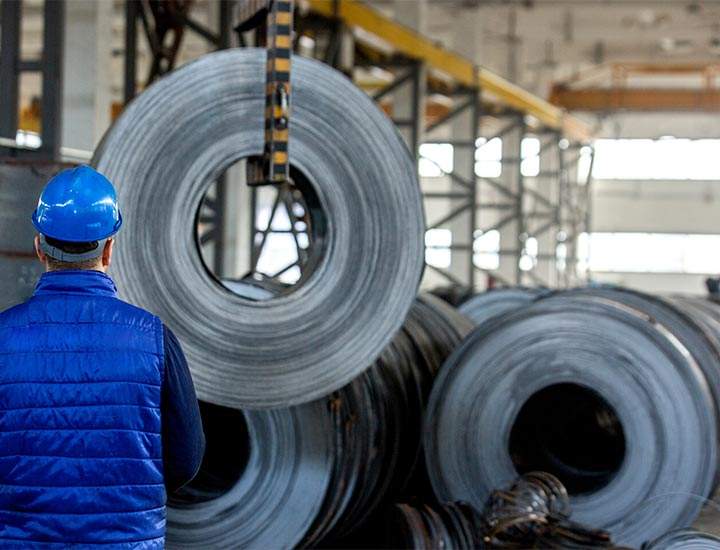
How to Read a Comparison Table Without Getting Lost: 18 8 Stainless Steel Vs 304
304 is a chromium-nickel stainless steel used for its clean appearance, formability, weldability, and broad corrosion resistance. Two statements about 18 8 stainless steel vs 304 can both be correct when they answer distinct questions. One may define chemistry, another a test reading, and a third the appearance of 304 stainless steel after processing.
Surface finish and corrosion can dominate what a person notices even when the deeper mechanical characteristics tell a distinct story. The location of an observation matters for 18 8 stainless steel vs 304. An edge, centre, bend, weld, cut face, and untouched surface can carry distinct parts of the same metal history.
For a visual look connected with 18 8 stainless steel vs 304, continue with Liborui Metal’s 304 Stainless Steel page. The link is optional background reading; the explanation above stands on its own.
If you still have a question about 18 8 stainless steel vs 304, use the form below to tell us which term, example, or part of the explanation was unclear.
What is the simplest answer about 18 8 stainless steel vs 304?
18 8 Stainless Steel Vs 304 compares two related materials that solve different problems. In simple terms, 18/8 is a broad recipe description; by contrast, 304 is a recognized grade name with defined chemistry limits. Neither name is automatically better in every situation.
Why can two explanations of 18 8 stainless steel vs 304 sound different?
For 18 8 stainless steel vs 304, two explanations may describe different conditions, sizes, processes, test methods, or environments. Cold bending and forming can raise hardness and create a mild magnetic response even though annealed 304 is usually described as nonmagnetic.
What is a common misunderstanding about 18 8 stainless steel vs 304?
A common mistake about 18 8 stainless steel vs 304 is to treat one label or number as the whole answer. 304 is corrosion resistant rather than corrosion proof. Salt, trapped moisture, scratches, and iron contamination can still cause staining or attack.
What can I do if 18 8 stainless steel vs 304 is still unclear?
Use the form below and ask about the exact word, number, example, or behavior in 18 8 stainless steel vs 304 that needs a simpler explanation.