
Table of Contents
Steel Forging shapes metal with compressive force, usually while it is hot. The process can refine the internal structure and guide grain flow around the shape, but it does not automatically remove every defect or make every forged part identical.
This guide explains steel forging from the beginning. It defines unfamiliar words, connects them with familiar objects, and separates common myths from what the material, process, or test actually shows. No metallurgy background is assumed.
The Short Explanation of Steel Forging
Hammering or pressing applies compression, making the metal flow into a new outline. A before-and-after picture of steel forging should track more than appearance. Shape, surface marks, hardness, interior stress, and the response of steel may each change by a distinct amount.
Forging can close some interior voids and refine arrangement, but seams, folds, scale, and inherited defects can still remain. The centre of a large piece of steel may lag behind its surface. That difference can influence hardness, shape, cutting response, or visible scale depending on which stage of steel forging is being discussed.
From a Heated Billet to a New Shape
Open-die forging works between relatively plain tool faces, whereas closed dies guide the hot metal into a more detailed cavity. Direction matters in steel forging. A tool path, grain flow, bend line, or heat path can make one orientation of steel respond differently from another without changing its chemical recipe.
A billet is a starting block or bar that is heated until it can change shape without breaking apart. Small corrections during steel forging often target one cause at a time, such as heat, alignment, surface contact, or cooling. That cause-and-effect approach is easier to follow than treating the process as a black box.
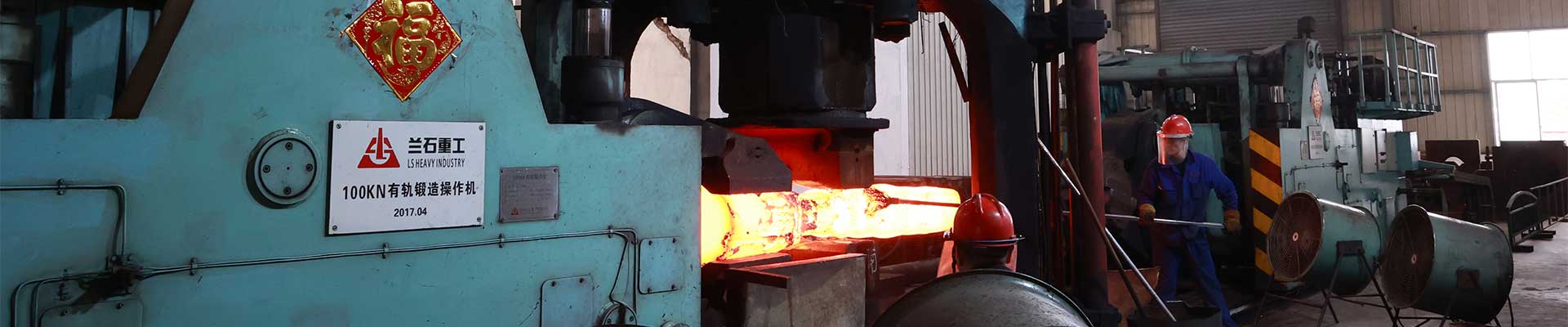
What Compressive Force Does to the Metal: Steel Forging
Familiar illustrations include round bars, plates, shafts, rings, blocks, forged blanks, machined parts, and heat-treated components. Size changes the practical story of steel forging. A small sample responds quickly, whereas a long, thick, or uneven shape can bend, cool slowly, or hold heat in places that are difficult to see.
Forging moves hot metal, machining removes metal, and heat treatment changes the interior arrangement without changing the basic outline very much. A process description becomes clearer when each verb is literal: heat, hold, cool, press, cut, bend, or polish. That direct language indicates what physically happens to steel during steel forging.
Grain Flow Explained with a Simple Picture
Grain flow is a visual way of describing how elongated interior features follow the direction of deformation. The final shape carries a history of steel forging. Edges, fibres, tool marks, scale, and slight distortion can indicate where force or heat acted, although they do not reveal every change inside steel.
Steel processing changes the shape, surface, or interior arrangement of metal. Forging, machining, and heat treatment each change something distinct. Force can press, pull, bend, or cut steel. Each action moves the metal differently, so a good explanation of steel forging names the action instead of using the vague word processing for everything.
Open Dies and Closed Dies Create Different Shapes: Steel Forging
No process is magic. Too much heat, uneven cooling, worn tools, sharp corners, or poor handling can introduce new problems. Corners and changes in thickness deserve attention in a plain explanation of steel forging. They heat, cool, and carry force differently from broad uniform areas of steel.
Wear on steel may come from rubbing, impact, heat, corrosion, or particles; those causes leave distinct clues even when the final damage looks similar. The outer surface gives the first visible clues about steel forging: scale, colour, tool marks, burrs, distortion, or a changed finish. Those clues are helpful, but they do not reveal the entire interior state.
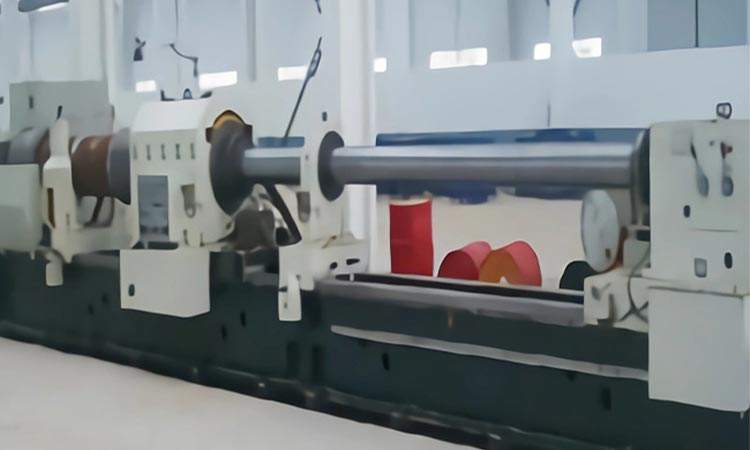
Why Forging Does Not Remove Every Defect
The helpful beginner question about steel is which behavior a word explains, not whether the material is simply good or bad. A clean-looking outcome after steel forging does not prove that every hidden detail is ideal. Appearance mainly records the surface, whereas cracks, stress, hardness, or interior patterns may require a distinct kind of observation.
Heating steel allows atoms and phases to rearrange, whereas cooling rate determines how much time those changes have to occur. Finishing does not erase the earlier history of steel forging. Grinding, polishing, or cleaning may change appearance whereas leaving deeper structural changes and residual stress beneath the visible surface.
Scale, Seams, and Other Visible Clues: Steel Forging
A characteristic value for steel needs a label and condition since hardness, yield strength, tensile strength, and toughness describe distinct responses. The honest boundary is that steel forging can improve selected behavior without making steel perfect. Every process involves trade-offs involving heat, shape, surface, time, and the response of the starting material.
Chromium, nickel, molybdenum, manganese, silicon, and vanadium are common alloying elements, and each changes only part of the overall behavior. Picture steel forging as a sequence rather than one instant. The starting state of steel, the action being applied, and the later cooling or finishing steps all contribute to what a reader eventually sees.
- Separate the meaning of steel forging from the appearance of one object.
- Keep hardness, strength, toughness, corrosion, and magnetism as different ideas.
- Notice whether a statement describes chemistry, structure, surface, shape, or a test.
- Treat an analogy as a memory aid and return to the actual material behavior for the final explanation.
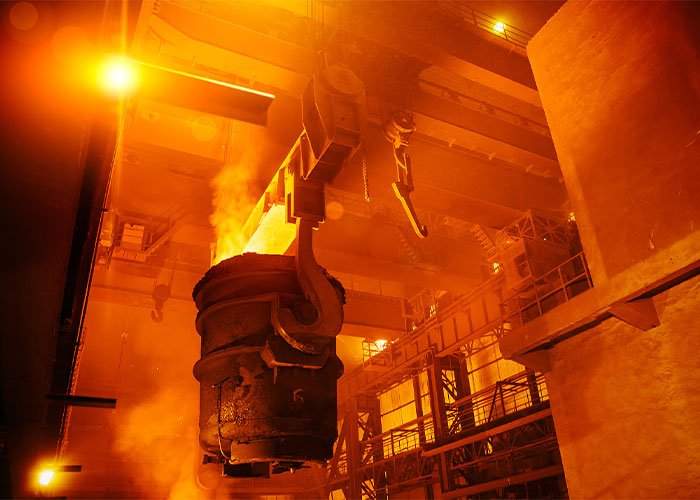
Forging Myths That Need Context: Steel Forging
Rust resistance, magnetism, hardness, and strength in steel come from distinct mechanisms and should not be used as shortcuts for one another. The word stronger needs care in a discussion of steel forging. Hardness, resistance to bending, impact toughness, wear, and crack growth are separate behaviors and may move in distinct directions.
A thin strip of steel changes temperature quickly, whereas a large block can keep a much warmer or cooler centre for longer. The sound and feel of steel forging can provide clues—steady cutting, chatter, ringing, or an uneven press response—but those clues still need to be connected with the visible object and process stage.
The surface loses heat faster than the middle, so large pieces need careful temperature control to deform evenly. Tools and machines touch only selected areas of steel. Contact pressure, friction, vibration, and heat collect near those areas, explaining why local marks can appear even when the rest of the object looks unchanged. For steel forging, this detail sets the context.
For a visual look connected with steel forging, continue with Liborui Metal’s Processing page. The link is optional background reading; the explanation above stands on its own.
If you still have a question about steel forging, use the form below to tell us which term, example, or part of the explanation was unclear.
What is the simplest answer about steel forging?
Steel Forging shapes metal with compressive force, usually while it is hot. The process can refine the internal structure and guide grain flow around the shape, but it does not automatically remove every defect or make every forged part identical.
Why can two explanations of steel forging sound different?
For steel forging, two explanations may describe different conditions, sizes, processes, test methods, or environments. Temperature, speed, cooling, tool contact, and the starting condition determine what the finished surface and structure look like.
What is a common misunderstanding about steel forging?
A common mistake about steel forging is to treat one label or number as the whole answer. No process is magic. Too much heat, uneven cooling, worn tools, sharp corners, or poor handling can introduce new problems.
What can I do if steel forging is still unclear?
Use the form below and ask about the exact word, number, example, or behavior in steel forging that needs a simpler explanation.