
Table of Contents
If you are asking can third party quality inspection confirm 316l stainless steel, here is the direct answer. If can third party quality inspection confirm 316l stainless steel is your question, begin with one fact. For third party quality inspection services on 316L stainless steel, a steel inspection is a close look at identified steel before it moves to the next stage. In this third party quality inspection services example, it can compare markings, surface, quantity and selected measurements with the information supplied for that batch. Applied to 316L stainless steel, it helps you understand why markings, measurements and test records help but chemistry is needed to confirm the grade.
For third party quality inspection services on 316L stainless steel, it is closer to checking a used car before a long trip than to redesigning the engine. In this third party quality inspection services example, you look at the real object, confirm its identity, notice obvious problems and decide whether another specialist test is needed. Use the comparison whenever language around 316L stainless steel sounds more complicated than the real task.
Start with the steel in front of you for 316L stainless steel in third party quality inspection services
This guide uses 316L stainless steel from Liborui’s Stainless Steel range as its real example. An inspection can connect a 316L marking, surface, size and certificate to the same stainless item, but appearance cannot confirm the grade. The useful issue is the answer that third party quality inspection services can provide about this named steel.
Begin with the marking, shape, surface and exact place that created doubt. Photographs should include the complete piece, its heat mark and any place where dimensions or surface condition differ. This starting clue gives the service a specific job. The same boundary keeps third party quality inspection services understandable for someone viewing 316L stainless steel.
Imagine explaining Can Third Party Quality Inspection Confirm 316L Stainless Steel to a friend who has never visited a steel mill. Start with 316L stainless steel, not with equipment. Say that the goal is to understand why markings, measurements and test records help but chemistry is needed to confirm the grade, then introduce third party quality inspection services only as the way of finding that answer.
A photograph can carry much of the story. One image identifies 316L stainless steel; another records its mark; a third shows the place that raised doubt. Together they give the explanation a beginning, middle and subject. That connection matters when third party quality inspection services is used to answer a question about 316L stainless steel.
The next step depends on what the pictures leave unknown. For this item, bright metal with a clean finish may still be another stainless composition, so any identity doubt remains after the visual visit. That fact shapes what third party quality inspection services can sensibly do.
Useful findings can include quantity and bundle identity, test records linked to the same steel, grade and heat markings, visible rust, cracks, dents or rough surfaces, and selected diameter, thickness or length. They are not a shopping list. Choose the one that helps you understand why markings, measurements and test records help but chemistry is needed to confirm the grade, and leave the others for different questions. This makes the limit of third party quality inspection services clearer on the named 316L stainless steel.
When the report arrives, find the observation before reading the conclusion. A labelled number, photo or indication on 316L stainless steel is easier to trust and understand than the word passed on its own. The wording stays specific to third party quality inspection services rather than making a broad claim about 316L stainless steel.
Finally ask what remains outside the visit or test. The third party quality inspection services method cannot by itself confirm chemistry from appearance, promise what happens after the visit, describe every uninspected piece, and prove hidden internal soundness without a suitable test. This final check protects an ordinary reader from giving the result a meaning it never had.
The short answer before third party quality inspection services
For third party quality inspection services on 316L stainless steel, an inspection can connect a 316L marking, surface, size and certificate to the same stainless item, but appearance cannot confirm the grade. In this third party quality inspection services example, a visual finding supports traceability and condition; measured chemistry is the stronger answer when the question is truly 316L identity. In the case of 316L stainless steel, the lesson is to understand why markings, measurements and test records help but chemistry is needed to confirm the grade.
Before adding any test, read the steel itself. Bright metal with a clean finish may still be another stainless composition, so any identity doubt remains after the visual visit. For third party quality inspection services, note whether the concern appears once, repeats or changes from place to place.
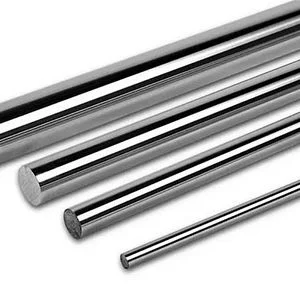
Why appearance is not enough for the third party quality inspection services question
A useful note begins with the identity of 316L stainless steel and the place examined. Only after that does it give the finding from third party quality inspection services and its practical meaning.
How the check works after third party quality inspection services
- Match the result to 316L stainless steel, its marking or its labelled batch.
- Find the real value, photograph, image or observation produced by third party quality inspection services.
- Locate the place on 316L stainless steel where the observation or sample came from.
- Use the stated limit while deciding whether the result helps you understand why markings, measurements and test records help but chemistry is needed to confirm the grade.
Do not stretch the result beyond 316L stainless steel. For third party quality inspection services on 316L stainless steel, this method cannot by itself prove hidden internal soundness without a suitable test, confirm chemistry from appearance, promise what happens after the visit, and describe every uninspected piece. Add another method only if one unanswered point prevents you from being able to understand why markings, measurements and test records help but chemistry is needed to confirm the grade.
What the finding means for third party quality inspection services evidence
A frequent misunderstanding is treating the words 316L stainless steel as a complete description. Related pieces can differ in surface, size, processing state or local result, so third party quality inspection services needs an item and a location.
Remember one plain boundary. A visual finding supports traceability and condition; measured chemistry is the stronger answer when the question is truly 316L identity. A clean surface, composition match, hardness number and internal echo are not interchangeable answers. That connection matters when third party quality inspection services is used to answer a question about 316L stainless steel.
A common misunderstanding involving 316L stainless steel and third party quality inspection services
Imagine the following. The steel named 316L stainless steel does not look or read as expected. Photograph the item, marking and concern. Measure a size doubt, test a grade doubt, and use suitable non-destructive testing for a hidden-soundness doubt. For a visitor, it keeps the third party quality inspection services answer grounded in 316L stainless steel.
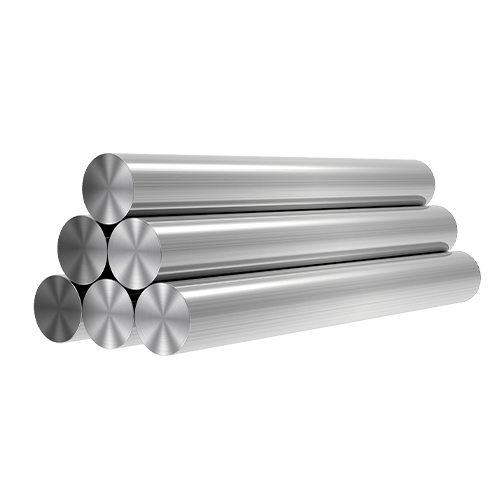
Relevant help from Liborui for third party quality inspection services on 316L stainless steel
For third party quality inspection services on 316L stainless steel, Liborui can arrange an independent visit for steel bars, plate, pipe, forgings and tool steel, then add only the steel test that the visible findings make necessary. For the title Can Third Party Quality Inspection Confirm 316L Stainless Steel, the outcome should be evidence that lets the visitor understand why markings, measurements and test records help but chemistry is needed to confirm the grade.
This help is limited to steel represented on Liborui’s site. For 316L stainless steel, it stays within carbon steel, alloy steel, stainless steel, tool and mould steel or steel forgings and the steel-specific question described above. The wording stays specific to third party quality inspection services rather than making a broad claim about 316L stainless steel.
To ask about third party quality inspection services, send the product name, a photograph of the complete item, its marking and a close view of the concern. State that you need to understand why markings, measurements and test records help but chemistry is needed to confirm the grade; that sentence is more useful than a long test list.
The Liborui Stainless Steel product page gives catalogue context for 316L stainless steel alongside this third party quality inspection services guide. The article above remains the direct answer to the third party quality inspection services question.
Questions about third party quality inspection services and 316L stainless steel
What is the direct answer to Can Third Party Quality Inspection Confirm 316L Stainless Steel?
The purpose is to understand why markings, measurements and test records help but chemistry is needed to confirm the grade. For third party quality inspection services on 316L stainless steel, a steel inspection is a close look at identified steel before it moves to the next stage. In this third party quality inspection services example, it can compare markings, surface, quantity and selected measurements with the information supplied for that batch.
Can third party quality inspection services confirm everything about 316L stainless steel?
No. For third party quality inspection services on 316L stainless steel, the evidence may show grade and heat markings, visible rust, cracks, dents or rough surfaces, and selected diameter, thickness or length, but it cannot by itself prove hidden internal soundness without a suitable test, confirm chemistry from appearance, promise what happens after the visit, and describe every uninspected piece.
Why does the sample label matter for 316L stainless steel?
The label connects a value or image back to the original 316L stainless steel. Without it, an accurate test can answer the wrong question.
Can Liborui help with this 316L stainless steel question?
Yes. For third party quality inspection services on 316L stainless steel, Liborui can arrange an independent visit for steel bars, plate, pipe, forgings and tool steel, then add only the steel test that the visible findings make necessary. The work stays with the steel product described here.
If the answer about 316L stainless steel is still unclear, use the form below to send the steel name, describe what looks or reads differently and share that your goal is to understand why markings, measurements and test records help but chemistry is needed to confirm the grade. Liborui can identify whether third party quality inspection services or another steel method fits.