
Table of Contents
Introduction

In today’s highly competitive market, maintaining quality and manufacturing standards is critical for any production facility. Consistent quality not only enhances customer satisfaction but also promotes a company’s profitability and long-term growth. Whether you operate a small business or a large manufacturing plant, adopting the right strategies to improve quality and production efficiency can help you stand out from the competition.
This blog will explore several methods businesses can use to optimize quality and manufacturing processes, reduce waste, and improve overall operational efficiency. We will discuss practical strategies to help manufacturers enhance product quality while increasing production speed and reducing costs.
How Quality Control Drives Manufacturing Success
Quality control is one of the most critical elements of manufacturing that directly impacts the end product. By ensuring that each step of the production process is closely monitored, businesses can identify issues before they escalate into bigger problems.
A strong quality control system involves more than just inspecting finished products. It also includes evaluating raw materials, monitoring production lines, and using testing equipment throughout the production cycle. Early detection of defects ensures that only high-quality products reach customers, thereby reducing rework, waste, and costly product recalls.
The Role of Lean Manufacturing in Quality Improvement
Lean manufacturing is a widely adopted approach designed to streamline production by eliminating waste and optimizing processes. By focusing on continuous improvement, lean practices not only improve quality and manufacturing efficiency but also foster a culture of innovation and employee engagement.
Techniques like Kaizen, value stream mapping, and 5S enable businesses to systematically reduce inefficiencies. For example, value stream mapping helps identify bottlenecks in production, while Kaizen focuses on small, incremental improvements that lead to long-term gains. Implementing lean practices can help businesses achieve a more efficient, high-quality manufacturing process.
Integrating Quality Control into Every Manufacturing Stage

Quality control shouldn’t be limited to the final product inspection. It needs to be integrated into every phase of production to ensure consistency and meet the necessary standards. Starting from the procurement of raw materials, quality should be ensured through each stage of the manufacturing process, including fabrication, assembly, and final testing.
This comprehensive approach ensures that every product is built with quality in mind, minimizing defects and waste. When quality control is an ongoing part of the production process, manufacturers can ensure their operations are more predictable and reliable.
Automation and Technology: The Future of Quality and Manufacturing
In the digital age, automation and technology have transformed the way manufacturers maintain quality. Automated systems and smart devices help manufacturers monitor production in real time, improving efficiency and consistency.
Automation eliminates human error, reduces production times, and can monitor the quality of each product at every step. For example, automated inspection systems use cameras and sensors to detect defects or deviations from the desired standards, ensuring that only high-quality products move forward. Technologies such as IoT and AI offer predictive capabilities, allowing manufacturers to identify potential equipment failures before they occur, further reducing downtime and maintaining quality.
How Employee Training Enhances Quality And Manufacturing
A skilled workforce is essential to maintaining high-quality standards throughout the manufacturing process. Comprehensive employee training equips workers with the knowledge and skills necessary to identify defects, follow quality control procedures, and operate equipment correctly.
Moreover, ongoing training ensures that employees are aware of the latest quality standards and innovations in manufacturing techniques. By investing in employee development, manufacturers can reduce errors, increase productivity, and maintain a consistent product quality.
The Impact of Quality Certifications on Manufacturing Growth
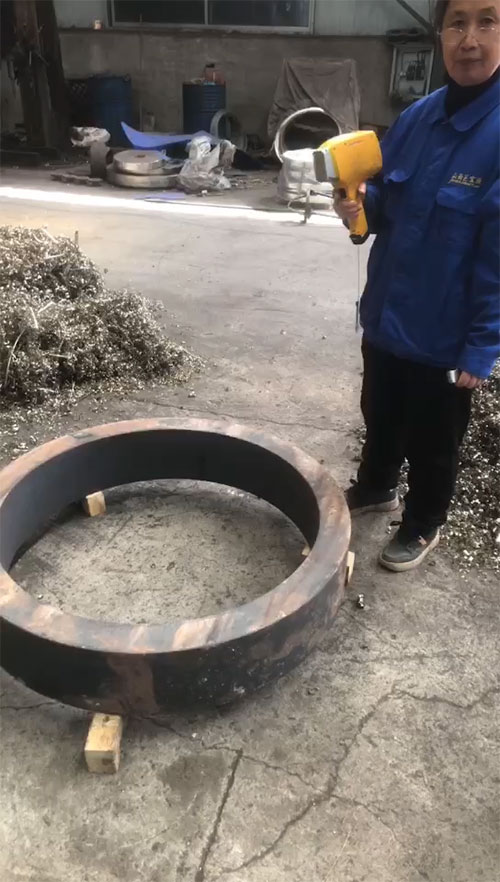
Obtaining internationally recognized quality certifications, such as ISO 9001, can significantly enhance a manufacturer’s credibility. These certifications demonstrate that a company adheres to the highest industry standards, which boosts trust with customers and suppliers alike.
Quality certifications are often a prerequisite for entering certain markets and can give manufacturers a competitive edge. Companies that hold certifications are often perceived as more reliable and are trusted to deliver consistent, high-quality products, which can lead to increased demand and long-term success.
How Data-Driven Manufacturing Enhances Quality
As manufacturing becomes more data-driven, big data and analytics have emerged as critical tools in improving both quality and manufacturing. By gathering and analyzing data from production processes, manufacturers can make informed decisions that improve product quality and operational efficiency.
For example, predictive analytics can identify patterns in the production process that may indicate issues before they affect product quality. By monitoring key performance indicators (KPIs) and conducting real-time data analysis, manufacturers can address issues immediately and reduce waste, ensuring consistent quality production.
The Cost of Poor Quality And Manufacturing and How to Avoid It
The cost of poor quality (COPQ) is a significant concern for manufacturers. Poor quality not only increases production costs due to rework, repairs, and waste but can also lead to damaged reputation and lost business. According to industry reports, poor quality can account for up to 20% of a company’s total manufacturing costs.
By integrating effective quality and manufacturing strategies, such as lean practices and automation, manufacturers can reduce COPQ and increase their bottom line. Preventing defects early in the process is far more cost-effective than dealing with the consequences of poor-quality products reaching customers.
Maximizing Production Through Better Supplier Quality Management
Supplier quality management (SQM) is another crucial factor in ensuring that materials meet the necessary standards before they even enter the production process. Poor-quality raw materials often result in defects during production, which not only wastes resources but also delays delivery and compromises product quality.
By building strong relationships with suppliers and establishing clear communication, manufacturers can ensure they receive the best materials possible. Regular quality assessments of suppliers can help mitigate risks and maintain consistent product quality throughout the manufacturing process.
Table: Key Strategies for Improving Production and Quality
| Strategy | Description | Benefits |
|---|---|---|
| Lean Manufacturing | Focus on reducing waste and improving process efficiency | Reduced costs, improved quality, streamlined processes |
| Employee Training | Continuous training for better skills and quality awareness | Lower error rates, increased productivity, higher morale |
| Automation and Technology | Use of technology to automate and monitor production quality | Increased consistency, faster detection of defects |
| Quality Certifications | Obtaining certifications like ISO 9001 to ensure quality | Enhanced credibility, compliance with global standards |
| Supplier Quality Management | Collaborating with suppliers to ensure material quality | Reduced defects, lower production costs |
Conclusion
Ensuring quality and manufacturing excellence is a multifaceted endeavor that requires sustained effort, adherence to best practices, and continuous improvement. By integrating lean manufacturing principles, adopting automation technologies, and investing in employee training, companies can significantly enhance production efficiency and product quality.
Shandong Laboratory specializes in providing customized testing solutions to help businesses maintain quality and manufacturing standards. Our experienced engineers can assist you in designing testing solutions tailored to your specific needs. Contact us today to learn more about how we can help you improve your production processes and ensure the highest quality products.
FAQ
How can lean manufacturing improve quality?
Lean manufacturing eliminates waste, reduces inefficiencies, and fosters continuous improvement, ensuring higher quality and smoother production flows.
Why is automation essential for quality control?
Automation helps improve consistency, detect defects faster, and reduce human error, all of which contribute to better quality products.
What are the consequences of quality and manufacturing?
Poor quality results in increased costs, customer dissatisfaction, and potential damage to brand reputation.
How can data-driven manufacturing improve quality?
Data-driven approaches allow manufacturers to analyze production data, identify patterns, and optimize processes, leading to higher quality and efficiency.
Why is supplier quality management important?
Ensuring suppliers deliver quality materials is crucial for maintaining consistent product quality and reducing defects during production.