
Table of Contents
Introduction
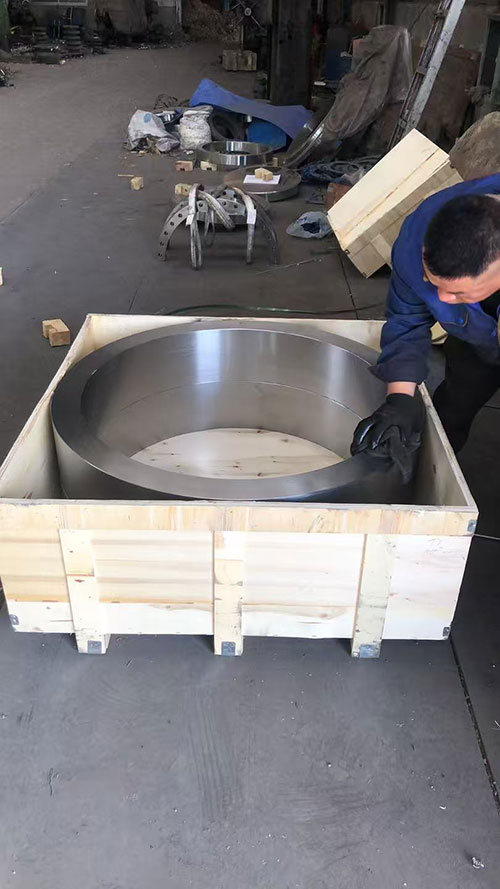
In today’s highly competitive market, ensuring product quality is more important than ever. A “quality laboratory” plays a critical role in ensuring your products meet industry standards, pass necessary certifications, and maintain customer satisfaction. Whether you are involved in manufacturing or materials testing, investing in a quality laboratory can bring measurable benefits to your business.
In this article, we will explore the importance of inspection labs and how they can optimize manufacturing processes. We will delve into practical insights, address common questions, and demonstrate how to leverage the inspection lab to elevate your production and quality control standards.
Why Is A Quality Lab Essential For Manufacturing?
A quality lab offers numerous benefits for manufacturers. Whether you’re producing raw materials or finished products, a quality lab ensures that each item meets the necessary specifications.
By conducting thorough testing, an inspection lab helps businesses identify potential defects early in the production process, saving both time and money in the long run. Quality testing also ensures compliance with industry regulations and prevents costly recalls, ensuring your product’s marketability.
How An Inspection Lab Helps Improve Manufacturing Efficiency
A quality lab not only tests the material and product but also helps streamline production. By identifying and eliminating potential sources of inefficiency early on, the lab enables manufacturers to optimize their processes. With a focus on product consistency, these labs provide data that can be used to fine-tune your processes and ensure that every production run is as efficient as possible.
For example, an inspection lab can test raw materials, monitor manufacturing processes, and provide feedback for better raw material sourcing, resulting in better end-product quality and fewer production hiccups.
Ensuring Compliance With Industry Regulations Through An Inspection Lab
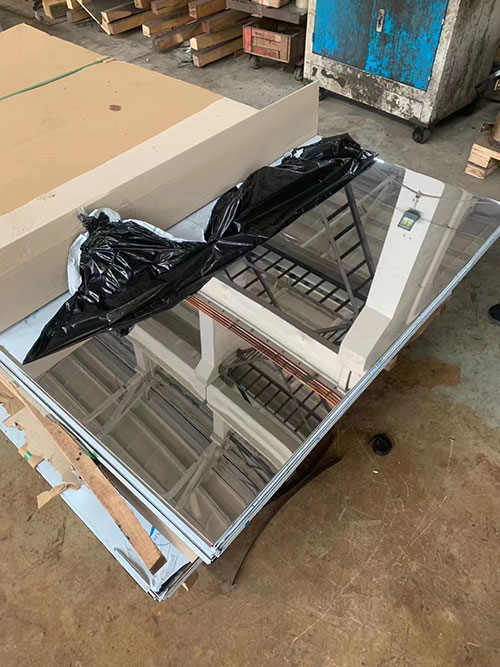
Regulatory compliance is a critical aspect of manufacturing, especially in industries like aerospace, automotive, and medical devices. A certified quality lab ensures that your products meet the required standards and pass the necessary inspections for regulatory compliance.
Failing to comply with industry regulations can lead to hefty fines, product recalls, and damage to your brand’s reputation. An inspection lab reduces these risks by providing thorough testing and certification processes that confirm your products are up to code.
The Role of a Quality Lab in Material Testing
In the world of material testing, accuracy and precision are essential. An inspection lab is equipped to perform rigorous testing on different types of materials, from metals and plastics to composites. These tests help manufacturers assess the material’s properties—such as strength, durability, and heat resistance—to ensure they are fit for their intended use.
Materials testing is particularly important in industries that require high-performance products, like construction, automotive, and electronics. By investing in an inspection lab for material testing, businesses can ensure their products meet the performance standards necessary for long-term reliability.
Quality Control: How a Quality Lab Protects Your Brand
The consistency of your product is directly linked to your brand’s reputation. A quality lab ensures that every batch produced meets the same high standards, reducing the chance of defects slipping through the cracks.
Quality control testing allows businesses to maintain a steady level of performance, ensuring customers always receive the best version of your product. Consistent product quality is a key factor in customer retention and trust.
How An Inspection Lab Helps Prevent Costly Product Recalls
Product recalls can be disastrous for any company. Not only do they cost money, but they also erode consumer trust. An inspection lab helps prevent these situations by catching defects before the product hits the market.
Through rigorous pre-release testing, inspection labs ensure that any faulty products are identified and corrected, significantly reducing the likelihood of recalls. By identifying potential risks early in the production process, businesses can avoid unnecessary expenses and damage to their brand.
Technological Advances In Quality Labs for Manufacturing

Advancements in technology have revolutionized the way inspection labs perform testing. From automated systems that allow for more accurate and faster testing to advanced software that analyzes data in real-time, technology continues to improve the efficiency of quality labs.
With these innovations, businesses can access detailed insights that help refine production processes and create higher-quality products faster than ever before.
The Benefits Of Outsourcing To A Quality Lab
Outsourcing quality testing to a certified lab offers several advantages. For one, it saves businesses from investing in expensive equipment and maintaining an in-house lab. Outsourcing also allows businesses to leverage the expertise of skilled professionals who can offer detailed reports and valuable insights.
By outsourcing, companies can focus on their core operations while ensuring their products meet the highest standards.
Table: Common Quality Lab Testing Methods
| Test Method | Purpose | Common Applications |
|---|---|---|
| Tensile Testing | Measures material strength under tension | Metals, Plastics, Construction Materials |
| Hardness Testing | Evaluates material hardness and wear resistance | Metal Alloys, Tools, Automotive Parts |
| Chemical Composition | Identifies the chemical makeup of materials | Metals, Plastics, Aerospace Materials |
| Thermal Testing | Tests material stability under temperature variations | Electronics, Automotive, Aerospace |
| Impact Testing | Assesses material resistance to sudden shocks | Metals, Safety Equipment, Packaging |
Conclusion
Investing in a quality laboratory is one of the smartest decisions a manufacturer can make. By partnering with a certified inspection lab, you can access professional testing services that enhance product quality, ensure compliance, and reduce production costs. Whether you are in the materials or manufacturing industry, an inspection lab is an indispensable resource for ensuring long-term business success.
Are you ready to improve product quality and optimize production processes? Contact Shandong Laboratory today to obtain reliable, accurate testing solutions tailored to your needs. Our experienced engineers are ready to support you in achieving your production and quality goals.
FAQ
What is a quality lab?
An inspection lab is a facility equipped with specialized tools and experts to test and certify products and materials for compliance with industry standards.
How can a quality lab improve my manufacturing process?
An inspection lab identifies defects early, helps streamline processes, and ensures product consistency, all of which improve efficiency and reduce costs.
Why is material testing important?
Material testing ensures that the raw materials used in production meet the necessary strength, durability, and performance requirements for the final product.
How do quality labs ensure compliance with regulations?
Quality labs perform tests and provide certification that confirms products meet industry regulations, reducing the risk of fines or recalls.
Can I outsource quality testing to a lab?
Yes, outsourcing quality testing allows businesses to save on equipment costs and benefit from the expertise of certified professionals.