Table of Contents
In today’s globalized market, supply chains are increasingly unpredictable, and ensuring the quality of raw materials, such as steel, has become a challenge for businesses. Steel is a fundamental component in a wide range of industries, from construction to automotive manufacturing. However, when steel is sourced from distant suppliers, quality control can easily become compromised. This is where a Steel Inspection Third Party plays a vital role. It ensures that the materials meet the required specifications, acting as a neutral entity that upholds the integrity of the supply chain. In this blog, we will explore the critical importance of Steel Inspection Third Party services and how to select the right provider for your business needs.
The Growing Uncertainty in Global Supply Chains
The global supply chain is facing a turbulent era. Factory and market distances are being redefined, and a single order may span multiple borders. When sourcing steel, a fundamental material, from remote locations, traditional inspection methods face fundamental challenges. You can’t always be on-site, and the supplier’s quality report becomes the sole point of reference. This single point of trust becomes fragile in a complex network of interconnected actors.
An unnoticed material deviation or an out-of-specification steel structural component can send an entire project’s schedule into a tailspin. The risks associated with such uncertainties are growing, and the need for independent verification has never been clearer. This is where Steel Inspection Third Party services play a vital role in maintaining quality control and mitigating risks.
Why You Need a Steel Inspection Third Party in Global Supply Chains
The complexity of global supply chains has expanded significantly in recent years. As companies look to source materials from remote suppliers or across different countries, the risk of receiving substandard steel increases. This introduces uncertainties, particularly in industries where steel’s quality directly affects the safety and success of a project. A Steel Inspection Third Party acts as a reliable quality gatekeeper, providing businesses with independent verification that the steel they receive complies with the necessary standards.
Without third-party inspections, businesses are forced to rely on the supplier’s reports, which may not always be unbiased. A Steel Inspection Third Party ensures that all materials undergo a thorough evaluation, protecting businesses from the potential costs associated with faulty steel, including production delays, safety risks, and rework.
The Growing Need for Independent Verification
In the era of global supply chains, the importance of independent verification cannot be overstated. A Steel Inspection Third Party provides businesses with the peace of mind that comes from knowing that the steel supplied meets quality and compliance standards. This service offers an unbiased, impartial assessment, which can be critical when dealing with suppliers from different regions or countries.
Imagine the consequences of using unverified steel in a critical project—it could lead to structural failure, safety incidents, or costly project delays. By involving a Steel Inspection Third Party, businesses ensure that materials are not only compliant but also meet the specific requirements for their intended use, reducing the risk of unforeseen issues down the line.
The True Cost of Not Using a Steel Inspection Third Party
Many companies mistakenly view third-party inspection services as an added expense that can be avoided. However, the true cost of not using a Steel Inspection Third Party can far exceed the cost of the inspection itself. Without independent verification, businesses risk using steel that may have hidden flaws—leading to issues that can cause expensive downtime, extensive repairs, or even project failures.
Think of it this way—investing in a Steel Inspection Third Party service is a proactive strategy for risk management. The upfront cost of quality inspection is minimal when compared to the potential costs of quality failures, which can result in extended project timelines, reputational damage, or legal liabilities. In industries where quality assurance is crucial, the cost of not verifying materials is simply too high.
How to Select a Reliable Steel Inspection Third Party
Now that we’ve established the importance of Steel Inspection Third Party services, the next logical question is: How do you choose the right provider? While there are many inspection companies available, not all are equal in terms of reliability, expertise, and transparency. Here are a few key factors to consider when selecting a Steel Inspection Third Party provider:
1.Experience and Reputation: Look for inspection companies with a proven track record in the steel industry. A well-established company with experience in your specific sector will have the necessary expertise to identify potential issues and provide accurate assessments.
2.Accreditations and Certifications: Ensure the inspection company is accredited by relevant industry bodies. Certifications from recognized organizations ensure that the provider follows standardized processes and adheres to industry best practices.
3.Global Reach: Since steel procurement often involves international suppliers, choose an inspection service provider that operates globally. A provider with a worldwide network can conduct inspections at various stages of the supply chain, regardless of where the steel is sourced from.
4.Transparency and Reporting: A reputable Steel Inspection Third Party should offer clear, transparent reporting with detailed findings. The inspection reports should be easy to understand, backed by data, and include visual documentation such as photographs or videos where applicable.
5.Technological Integration: In today’s digital age, modern inspection providers are integrating advanced technologies such as blockchain for traceability and IoT devices for real-time monitoring. These tools enhance the accuracy and transparency of inspections, making them indispensable for businesses that rely on real-time quality data.
The Strategic Role of Steel Inspection Third Party in Risk Mitigation
To mitigate risks and maintain control over material quality, companies should incorporate Steel Inspection Third Party services at critical stages throughout the procurement and production process. This involves inspecting materials early in the supply chain, conducting ongoing checks during production, and performing final inspections before the steel is shipped or used in manufacturing.
Strategic deployment of third-party inspections at these key points ensures that quality is maintained throughout the process, reducing the likelihood of costly mistakes. By treating Steel Inspection Third Party services as an integral part of the supply chain rather than a supplementary cost, businesses can build a more resilient and dependable supply chain network.
Digital Tools Reshaping Inspection Practices
The evolution of Steel Inspection Third Party services has also been influenced by technological advancements. Digital tools are now deeply integrated into inspection procedures, offering more accurate and real-time quality assessments. Inspectors use smart devices to collect data directly from the steel, including images, video footage, and test results, which are uploaded to a secure cloud platform for immediate review.
Furthermore, technologies like blockchain are being used to ensure the integrity of inspection reports, making them tamper-proof and fully traceable. This level of transparency and accountability offers immense value to businesses, particularly in industries that operate on a global scale and need constant oversight of material quality.

Practical Applications in Critical Industries
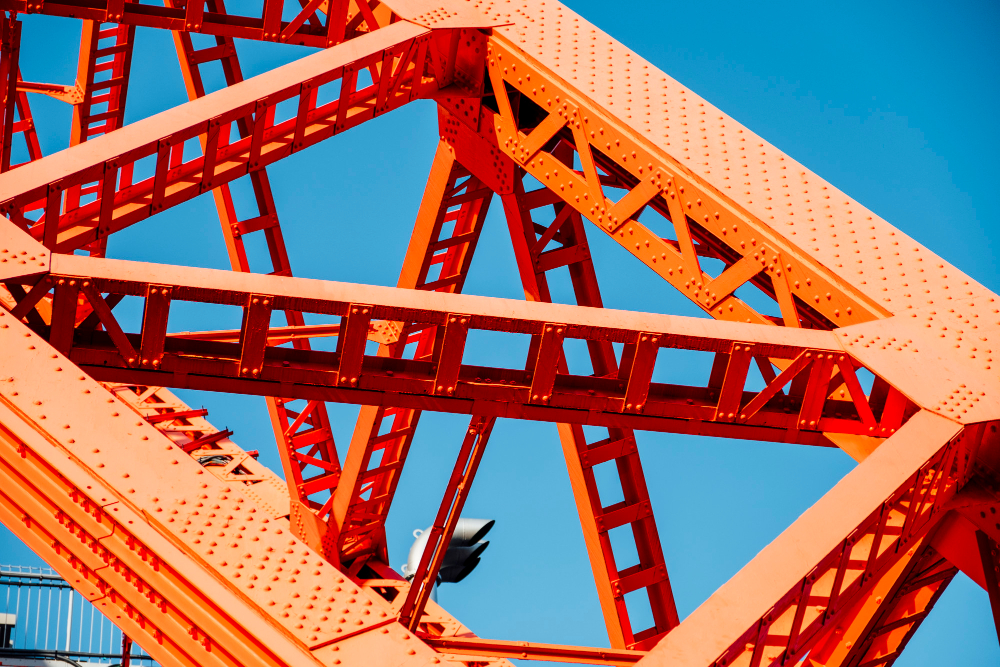
In industries such as construction, automotive manufacturing, and infrastructure, the role of Steel Inspection Third Party services is indispensable. For example, in the construction of bridges and high-rise buildings, the steel used must meet very specific standards to withstand environmental stresses and heavy loads. Without third-party verification, these projects would face enormous risks, including potential structural failure or safety incidents.
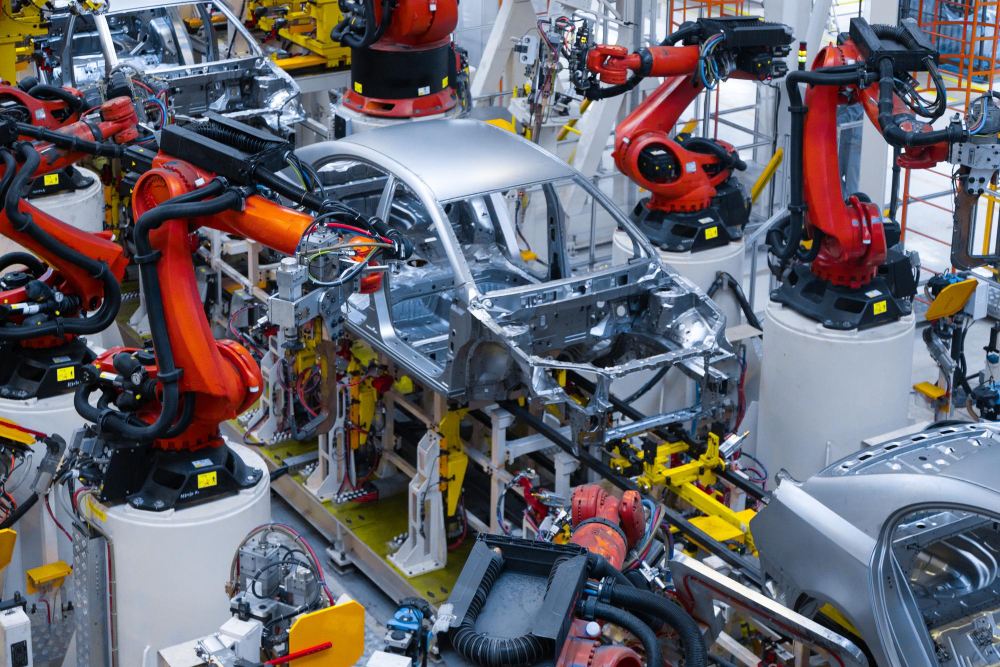
Similarly, in the automotive industry, the quality of steel used in vehicle construction directly impacts safety and performance. Steel Inspection Third Party services ensure that the materials used in critical components such as chassis, engine parts, and safety systems meet the stringent quality standards required.
Building Resilience in Supply Chains
As the global supply chain continues to evolve, building resilience has become a key priority for companies. By relying on Steel Inspection Third Party services, businesses can ensure that their material inputs meet the highest standards, no matter where they are sourced from. This not only provides peace of mind but also strengthens the integrity of the supply chain.
Companies that integrate third-party inspections into their operations are better equipped to handle the uncertainty of global supply chains. With these services acting as quality anchors, businesses can confidently manage the risks associated with procurement and manufacturing, knowing that their materials are verified and compliant with industry standards.
Conclusion: Securing the Future with Independent Verification
As supply chains become more complex and volatile, the role of Steel Inspection Third Party services is more important than ever. These independent inspectors offer the assurance that steel materials meet required specifications, helping businesses avoid costly risks and ensuring that projects are completed on time and within budget.
When evaluating potential inspection providers, it is essential to consider factors such as experience, accreditation, transparency, and technological integration. With the right Steel Inspection Third Party in place, companies can safeguard their projects, mitigate risks, and ensure that they are receiving steel products that meet the highest standards of quality.