
Table of Contents
Shipbuilding steel inspection is a critical process in the shipbuilding industry, ensuring that the steel used in ship construction meets required strength, durability, and safety standards. Steel is the backbone of every vessel, and its quality directly impacts the overall performance and longevity of ships. Without proper inspection, there are risks related to corrosion, structural failure, and even catastrophic accidents at sea. This article will explore the importance of shipbuilding steel inspection, the methods involved, and how it ensures the safety and performance of ships.
Why Shipbuilding Steel Inspection is Vital
The primary reason shipbuilding steel inspection is so crucial is because it ensures the steel used in shipbuilding meets specific performance standards. Ships face harsh conditions, including constant exposure to saltwater, high pressure, and varying temperatures. The steel must be able to withstand these conditions without compromising the structural integrity of the vessel.
Additionally, ship steel is subject to immense stress, particularly in areas such as the hull and the framework. A failure in these areas can lead to accidents, posing significant risks to both crew and passengers. Therefore, regular and rigorous inspection of shipbuilding steel is essential to mitigate these risks and to ensure that all materials are up to code.
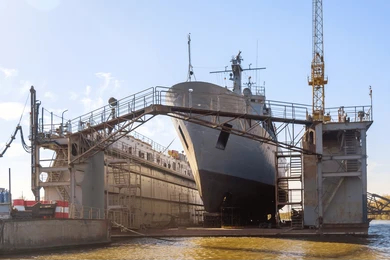
Methods of Shipbuilding Steel Inspection
There are several methods used in shipbuilding steel inspection to assess the quality of steel used in shipbuilding:
1.Visual Inspection
Visual inspection is one of the simplest and most effective ways to identify potential defects in steel. Inspectors look for signs of corrosion, cracks, and other visible damage that might compromise the integrity of the material. While this method is not exhaustive, it provides an immediate check for any obvious issues that could affect the vessel’s strength.
Ultrasonic testing is a non-destructive method used to detect internal flaws in shipbuilding steel. High-frequency sound waves are sent through the steel, and the reflection of these waves helps identify defects like cracks, voids, and inclusions. This method is highly effective for detecting internal damage that cannot be seen during visual inspections.
3.X-ray and Radiographic Inspection
X-ray and radiographic inspection methods are used to examine the internal structure of the steel. This technique helps detect hidden flaws that might not be visible through other methods. It is particularly useful for examining welds and joints, which are critical points of potential failure in shipbuilding steel.
4.Magnetic Particle Testing
Magnetic particle testing is often used to detect surface and near-surface defects in ferromagnetic materials. The steel is magnetized, and then magnetic particles are applied. If there are cracks or defects, the particles will accumulate around these areas, providing a clear indication of the problem.
Tensile testing involves applying a pulling force to a sample of steel to determine its strength and elasticity. This is particularly useful in shipbuilding steel inspection to ensure that the steel used in shipbuilding can handle the stresses placed on it during a vessel’s lifespan.
International Standards for Shipbuilding Steel Inspection
Shipbuilding steel must meet strict international standards to ensure quality and safety. These standards are developed by organizations such as the International Maritime Organization (IMO) and classification societies like Lloyd’s Register and DNV GL.
ISO Standards for Shipbuilding SteelISO
ISO standards, such as ISO 9001 and ISO 3834, specify the requirements for quality management systems in shipbuilding. These standards help ensure that all processes, including shipbuilding steel inspection, follow a uniform approach, maintaining the highest level of quality throughout the production process.
DNV GL and Lloyd’s Register RequirementsDNV GL
DNV GL and Lloyd’s Register are two of the most recognized classification societies in the shipbuilding industry. Both have comprehensive rules and regulations regarding steel materials used in ship construction. Their guidelines provide a framework for shipbuilders to follow during the material testing process, ensuring compliance with safety and structural integrity standards.
Benefits of Proper Steel Inspection in Shipbuilding
Proper shipbuilding steel inspection offers numerous benefits to both the manufacturer and the end user of the ship. Some of the key benefits include:
- Increased Safety: Regular inspection ensures that the steel used in shipbuilding is free of defects, reducing the risk of structural failure and enhancing the safety of the vessel.
- Improved Durability: Steel inspection helps identify weaknesses that could lead to premature wear or corrosion. By addressing these issues early, the ship’s lifespan is extended.
- Compliance with Regulations: Compliance with international standards is crucial for shipyards to maintain certifications. Proper steel inspection ensures that all materials meet these standards, avoiding potential penalties or legal issues.
- Cost Savings: By identifying defects early, manufacturers can avoid expensive repairs or replacements down the line. Proper steel inspection also helps prevent accidents that could lead to costly insurance claims.
Conclusion
In conclusion, shipbuilding steel inspection is an essential part of the shipbuilding process. The safety, durability, and performance of a ship depend largely on the quality of the steel used in its construction. By employing advanced testing methods and adhering to international standards, shipbuilders can ensure that their vessels are built to withstand the harsh conditions at sea. Proper inspection not only enhances safety but also extends the life of the ship, saves costs, and ensures compliance with industry regulations.
Regular and thorough shipbuilding steel inspection is not just a precaution—it’s a necessity for the modern shipbuilding industry.
If you want to learn more about shipbuilding steel inspection, please click here.