
In the steel manufacturing industry, quality control is critical. The process of Steel Material Testing in Steel Manufacturing ensures that steel products meet required standards, guaranteeing that they perform reliably in a wide range of applications. From structural components to automotive parts, the quality of steel directly impacts safety, durability, and performance. In this article, we will delve into the significance of steel material testing in the steel manufacturing industry and why it is a crucial step in producing high-quality steel products.
Table of Contents
What is Steel Material Testing in Steel Manufacturing?
Steel Material Testing in Steel Manufacturing involves a range of processes aimed at evaluating the properties of steel to ensure it meets the desired specifications. These tests can include mechanical tests to evaluate the strength and flexibility of the steel, as well as chemical analysis to confirm the presence of necessary elements. Testing ensures that the material will perform adequately under the conditions it is designed for, whether that’s in automotive manufacturing, construction, or machinery.
Through consistent testing, manufacturers can verify that each batch of steel meets industry standards, thereby preventing defects from compromising the integrity of the final product. This is particularly important for industries where the safety and functionality of steel products are of utmost importance.
Why is Steel Material Testing Essential in Steel Manufacturing?
Steel Material Testing in Steel Manufacturing serves several key purposes. First and foremost, it ensures that the steel meets the required strength, hardness, and durability standards for its intended use. A failure in any of these areas could lead to severe consequences, especially in industries like automotive manufacturing, construction, or energy production.
By conducting thorough tests at each stage of the manufacturing process, companies can detect any weaknesses or deviations from the standards early on, preventing defects from reaching the consumer or end user. For example, improper chemical composition or poor weld quality could severely compromise the performance of steel in critical applications. Through effective Steel Material Testing in Steel Manufacturing, manufacturers can minimize such risks and enhance the reliability of their products.
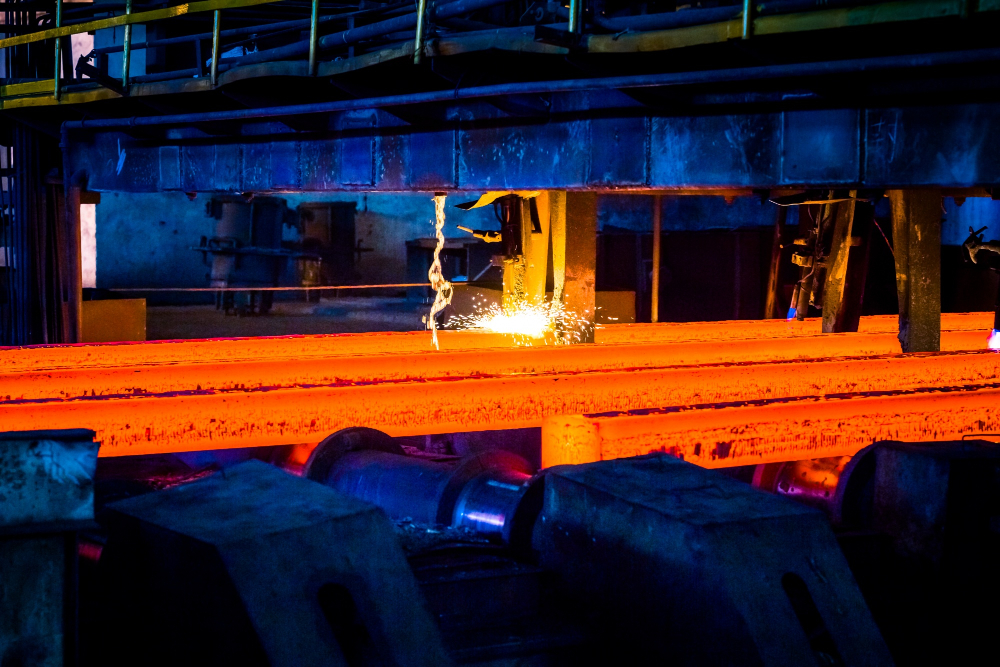
Common Testing Methods in Steel Manufacturing
There are several different methods used in Steel Material Testing in Steel Manufacturing, each serving a specific purpose to assess different properties of the steel.
- Tensile Testing: One of the most common tests, this evaluates the steel’s ability to resist tension and its breaking point. It helps manufacturers understand the material’s strength and elasticity.
- Hardness Testing: This measures the steel’s resistance to deformation and its wearability. Steel hardness is crucial for ensuring that the material can withstand harsh operating conditions.
- Chemical Composition Analysis: This test ensures the steel has the correct balance of elements such as carbon, manganese, and silicon. Proper chemical composition is critical for the steel’s strength, ductility, and resistance to corrosion.
- Non-Destructive Testing (NDT): Techniques like ultrasonic testing or X-ray inspection allow manufacturers to detect internal flaws without damaging the steel. These tests are vital for ensuring the steel is free of hidden defects.
Each of these tests is crucial to ensure that steel products are both safe and functional for their intended use.
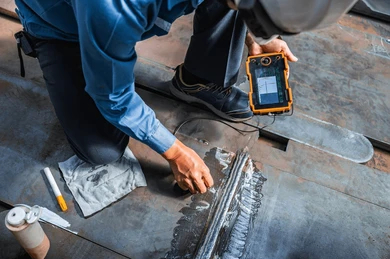
Real-World Applications of Steel Material Testing
In Steel Material Testing in Steel Manufacturing, practical applications abound across a variety of industries. Take the automotive industry, for example. Steel used in car frames must meet specific tensile and hardness standards to ensure safety. A failure in this regard could result in catastrophic failure during an accident.
In the energy sector, steel products used in wind turbines, power lines, and pipelines must undergo rigorous testing to ensure they can withstand extreme conditions. Without proper material testing, the integrity of these crucial infrastructure components would be compromised, leading to safety risks and financial loss.
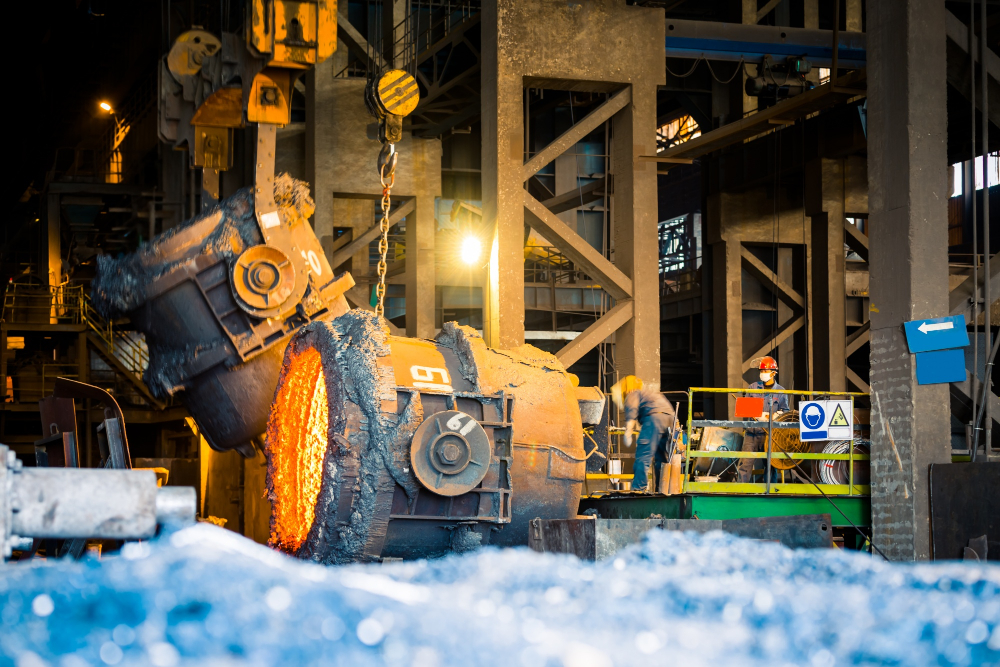
The Future of Steel Material Testing
As technology evolves, Steel Material Testing in Steel Manufacturing is becoming more precise and efficient. Advances in smart testing technologies, such as artificial intelligence and real-time monitoring, are expected to significantly improve testing accuracy. These innovations will allow for faster identification of potential problems, reducing the need for extensive post-production repairs and improving overall product quality.