
In the aerospace industry, where safety and performance are paramount, the reliability of materials used in manufacturing critical components is crucial. One of the most important materials used in aerospace manufacturing is steel. Steel components used in aircraft must meet rigorous performance standards to ensure the safety of both the aircraft and its passengers. Steel Material Testing for Aerospace Components plays a vital role in guaranteeing that steel components can withstand the extreme stresses and conditions they face during flight.
From the engines to the fuselage, and even in small components like landing gear and fasteners, the integrity of steel parts is essential. This article delves into the importance of steel testing in the aerospace industry, exploring how it ensures the safety, performance, and longevity of aerospace components.
Table of Contents
Why Steel Material Testing is Crucial for Aerospace Components
In the aerospace sector, Steel Material Testing for Aerospace Components is essential to ensure that each part meets the specific performance and safety standards required by regulatory bodies like the FAA (Federal Aviation Administration) and EASA (European Union Aviation Safety Agency). Aircraft components are subjected to extreme forces, including high-speed impacts, temperature variations, and mechanical stress. Steel Material Testing for Aerospace Components ensures that each component can endure these conditions without failure.
These tests are designed to assess the mechanical properties of the steel, such as tensile strength, fatigue resistance, and resistance to corrosion. For aerospace, failure is not an option. Even the smallest crack or defect in a steel component can have catastrophic consequences, making steel testing a critical step in aerospace manufacturing.
Key Steel Material Tests for Aerospace Applications
Several specialized tests are used to ensure the quality and performance of steel components used in aerospace. Below are some of the critical tests that fall under Steel Material Testing for Aerospace Components:
1.Tensile Testing
Tensile testing is crucial for determining the ultimate strength and elasticity of the steel. This test measures the amount of stress the steel can withstand before it begins to stretch or break. For aerospace components, this is vital as parts must not only be strong but also flexible enough to handle the stresses during flight without fracturing.
2.Fatigue Testing
Aerospace components experience repeated loading and unloading during flight, often called cyclic stress. Fatigue testing evaluates how steel will perform under these repeated stresses. Steel used in aircraft needs to resist failure even after thousands or millions of stress cycles, which is why Steel Material Testing for Aerospace Components focuses heavily on fatigue resistance.
3.Corrosion Resistance Testing
Given the harsh environmental conditions that aircraft are exposed to—such as moisture, saltwater, and extreme temperatures—corrosion resistance is one of the most important qualities of steel used in aerospace applications. Steel components must be tested for resistance to rust and other forms of degradation, ensuring long-term durability.
4.Impact Testing
Aircraft components, especially those used in the landing gear and fuselage, are often subjected to impact forces. Impact testing evaluates how steel reacts to sudden, high-energy forces. For critical aerospace components like landing gear, ensuring that the steel can handle such impacts without failure is of utmost importance.
Aerospace Applications of Steel Material Testing
The aerospace industry relies on Steel Material Testing for Aerospace Components for various applications, including:
1.Aircraft Structural Components
The structural integrity of an aircraft is entirely dependent on the quality of the steel used in the fuselage, wings, and tail sections. Steel Material Testing for Aerospace Components ensures that the steel used in these components meets strength and durability standards. The steel must be strong enough to bear the weight of the aircraft while withstanding the dynamic forces experienced during flight.

2.Engine Components
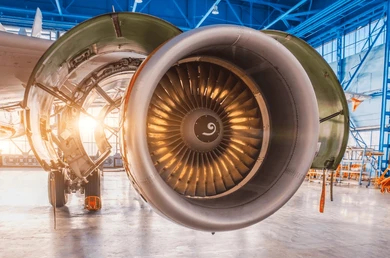
Aircraft engines operate under extreme temperatures, pressures, and rotational forces. The steel components used in engines, including turbine blades, shafts, and casings, must be able to withstand these conditions without failure. Steel Material Testing for Aerospace Components is critical in determining the steel’s ability to handle such extreme environments and maintain performance throughout the engine’s lifecycle.
3.Landing Gear and Hydraulic Systems
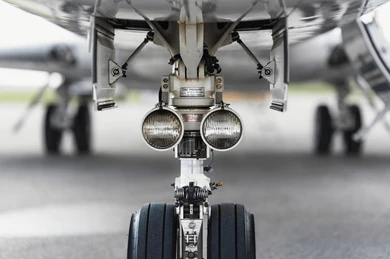
Steel used in landing gear must be durable enough to withstand the heavy forces exerted during takeoff and landing. Similarly, steel components in hydraulic systems must be able to handle high pressure without compromising safety. Steel Material Testing for Aerospace Components ensures that these components can endure the harsh mechanical and thermal stresses they are subjected to during operation.
The Role of Material Selection in Aerospace Steel Testing
One of the key aspects of Steel Material Testing for Aerospace Components is the careful selection of the steel alloy used in manufacturing. Steel alloys, such as stainless steel, nickel-based alloys, and titanium alloys, are often used due to their specific properties such as strength, heat resistance, and corrosion resistance. The composition of the steel plays a significant role in its performance, and Steel Material Testing for Aerospace Components evaluates these properties to ensure that the material can meet the stringent requirements of the aerospace industry.
For example, titanium alloys are often chosen for parts that must be both light and strong, such as in the engine or wings. Nickel-based alloys are typically used for high-temperature applications like turbine engines. Steel alloys are carefully tested to confirm they meet all required specifications for each unique aerospace application.
Conclusion: The Vital Role of Steel Material Testing in Aerospace
In conclusion, Steel Material Testing for Aerospace Components is a critical process that ensures the safety, durability, and reliability of steel used in aerospace manufacturing. These tests help guarantee that each component can withstand the extreme conditions encountered during flight, providing both performance and safety for the aircraft and its passengers.
As the aerospace industry continues to push the boundaries of technology, the need for high-quality, reliable steel will only increase. Steel Material Testing for Aerospace Components will continue to play a central role in ensuring that steel components meet the ever-growing demands of modern aviation.