
Table of Contents
If you are asking what to look for during a steel factory inspection, here is the direct answer. What to Look for During a Steel Factory Inspection has a direct answer. With steel products, the purpose is to see the ordinary signs that a steel factory can keep batches identified and testing records connected. For factory inspection on steel products, a steel-focused audit checks whether a mill or supplier’s everyday records and visible practices support its claims about steel identity, processing and testing.
For factory inspection on steel products, it is like following one library book from the shelf label to the lending record. In this factory inspection example, the point is not to count every book; it is to see whether the system keeps one real item connected to the right information. That picture keeps factory inspection connected to one understandable question about steel products.
The answer in everyday language for steel products in factory inspection
This guide uses steel products from Liborui’s Carbon Steel range as its real example. A steel-focused audit follows identification and records through real stock rather than judging a supplier from an office presentation. The useful issue is the answer that factory inspection can provide about this named steel.
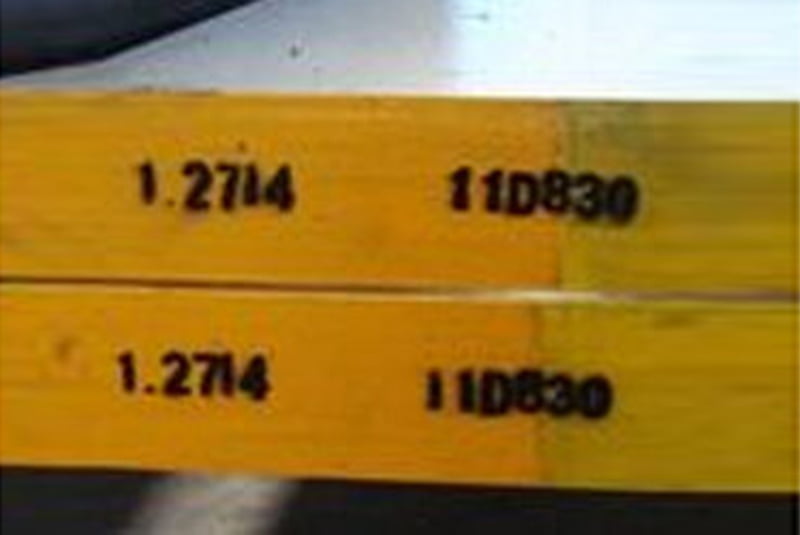
Look first at the marking, shape, surface and exact place that created doubt. Select a visible heat mark on stored steel and follow that same identity through the sampled record trail. This starting clue gives the service a specific job. The same boundary keeps factory inspection understandable for someone viewing steel products.
Read What to Look for During a Steel Factory Inspection as a question about one real object. The useful sentence is simple: I have steel products, and I want to see the ordinary signs that a steel factory can keep batches identified and testing records connected. That sentence gives every later observation a purpose.
Begin with three views of steel products: the whole piece, its marking and the exact concern. Those views let factory inspection follow the same steel instead of mixing a close-up from one item with records from another.
Next separate seeing from measuring. Select a visible heat mark on stored steel and follow that same identity through the sampled record trail. If the visible information already lets you see the ordinary signs that a steel factory can keep batches identified and testing records connected, there is no value in adding a longer test list. For a visitor, it keeps the factory inspection answer grounded in steel products.
When a fact is still missing, factory inspection may add whether daily practice matches the written explanation, how steel batches are identified, whether test records can be traced to real stock, where outside heat treatment or testing occurs, and how mixed or rejected steel is separated. Ask for the single kind of evidence that fills the gap; each added method should answer a named question.
The answer should point back to steel products. It should state the examined area, show the value or image and explain whether that finding actually helped you see the ordinary signs that a steel factory can keep batches identified and testing records connected. The wording stays specific to factory inspection rather than making a broad claim about steel products.
Stop at the boundary. This result cannot automatically guarantee every future batch, replace testing of the actual steel, prove records that were not sampled, and remove the need for later shipment inspection. A narrow answer is often more useful than a confident claim about steel that was never examined. It is one practical part of understanding factory inspection through steel products.
What you can see on the steel before factory inspection
For factory inspection on steel products, a steel-focused audit follows identification and records through real stock rather than judging a supplier from an office presentation. In this factory inspection example, a consistent sampled trail supports daily practice, while the audit cannot promise that every future steel batch will follow it. In the case of steel products, the lesson is to see the ordinary signs that a steel factory can keep batches identified and testing records connected.
Before adding any test, read the steel itself. Bars, plate, pipe, tool steel and forgings may pass through different processing or outside testing steps that still need traceability. For factory inspection, note whether the concern appears once, repeats or changes from place to place.
What the service can add for the factory inspection question
A readable result connects an actual value, photograph or indication to steel products. It then explains in ordinary words whether that observation helps you see the ordinary signs that a steel factory can keep batches identified and testing records connected. For steel products, it gives the factory inspection explanation a clear subject.
A real example with this product after factory inspection
- Match the result to steel products, its marking or its labelled batch.
- Find the real value, photograph, image or observation produced by factory inspection.
- Locate the place on steel products where the observation or sample came from.
- Use the stated limit while deciding whether the result helps you see the ordinary signs that a steel factory can keep batches identified and testing records connected.
Do not stretch the result beyond steel products. For factory inspection on steel products, this method cannot by itself remove the need for later shipment inspection, guarantee every future batch, replace testing of the actual steel, and prove records that were not sampled. Add another method only if one unanswered point prevents you from being able to see the ordinary signs that a steel factory can keep batches identified and testing records connected.
Where the answer stops for factory inspection evidence
One easy mistake is treating the words steel products as a complete description. Related pieces can differ in surface, size, processing state or local result, so factory inspection needs an item and a location.
Remember one plain boundary. A consistent sampled trail supports daily practice, while the audit cannot promise that every future steel batch will follow it. A clean surface, composition match, hardness number and internal echo are not interchangeable answers. That connection matters when factory inspection is used to answer a question about steel products.
How to understand the result involving steel products and factory inspection
Picture this. The steel named steel products does not look or read as expected. Photograph the item, marking and concern. Measure a size doubt, test a grade doubt, and use suitable non-destructive testing for a hidden-soundness doubt. For a visitor, it keeps the factory inspection answer grounded in steel products.
When Liborui can help for factory inspection on steel products
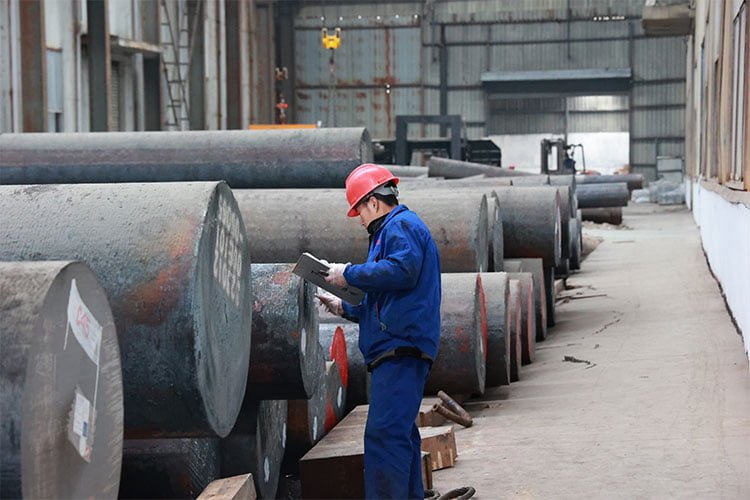
For factory inspection on steel products, Liborui’s audit service can focus specifically on steel stock, heat numbers, testing, processing and separation rather than a generic office checklist. For the title What to Look for During a Steel Factory Inspection, the outcome should be evidence that lets the visitor see the ordinary signs that a steel factory can keep batches identified and testing records connected.
This help is limited to steel represented on Liborui’s site. For steel products, it stays within carbon steel, alloy steel, stainless steel, tool and mould steel or steel forgings and the steel-specific question described above. The wording stays specific to factory inspection rather than making a broad claim about steel products.
To ask about factory inspection, send the product name, a photograph of the complete item, its marking and a close view of the concern. State that you need to see the ordinary signs that a steel factory can keep batches identified and testing records connected; that sentence is more useful than a long test list.
The Liborui Carbon Steel product page gives catalogue context for steel products alongside this factory inspection guide. The article above remains the direct answer to the factory inspection question.
Questions about factory inspection and steel products
What is the direct answer to What to Look for During a Steel Factory Inspection?
The purpose is to see the ordinary signs that a steel factory can keep batches identified and testing records connected. For factory inspection on steel products, a steel-focused audit checks whether a mill or supplier’s everyday records and visible practices support its claims about steel identity, processing and testing.
Can factory inspection confirm everything about steel products?
No. For factory inspection on steel products, the evidence may show how steel batches are identified, whether test records can be traced to real stock, and where outside heat treatment or testing occurs, but it cannot by itself guarantee every future batch, replace testing of the actual steel, prove records that were not sampled, and remove the need for later shipment inspection.
Can appearance identify steel products?
Usually not. A steel-focused audit follows identification and records through real stock rather than judging a supplier from an office presentation. Use measured evidence when identity matters.
Can Liborui help with this steel products question?
Yes. For factory inspection on steel products, Liborui’s audit service can focus specifically on steel stock, heat numbers, testing, processing and separation rather than a generic office checklist. The work stays with the steel product described here.
If the answer about steel products is still unclear, use the form below to send the steel name, describe what looks or reads differently and share that your goal is to see the ordinary signs that a steel factory can keep batches identified and testing records connected. Liborui can identify whether factory inspection or another steel method fits.