
Table of Contents
Introduction
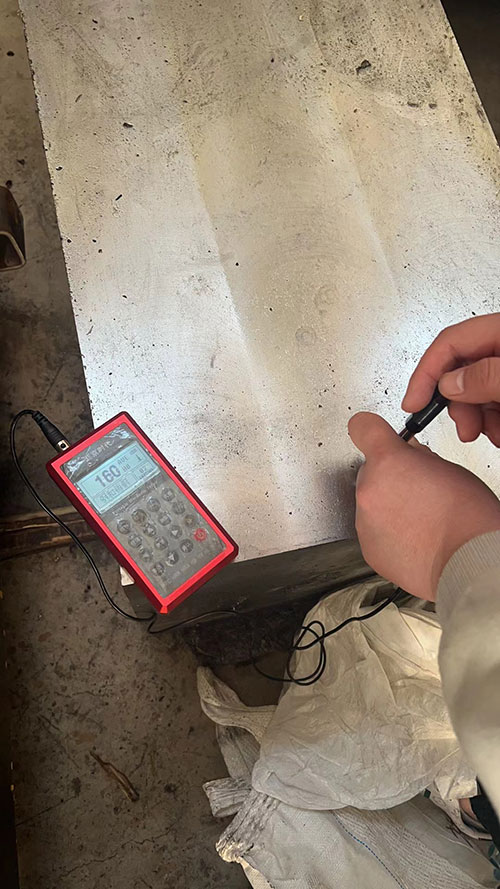
At Shandong Laboratory, we specialize in providing comprehensive metal material testing services with a focus on quality assurance and performance analysis. We understand that maintaining product consistency is essential for ensuring the success of any manufacturing process. Whether you’re producing metal components, food products, or electronics, quality checks are vital to sustaining high standards and meeting customer expectations. In this blog, we’ll delve into why quality checks are crucial for ensuring consistency, preventing defects, and enhancing long-term business success.
Why Are Quality Checks Important for Consistency in Manufacturing?
Quality checks are the cornerstone of manufacturing processes across various industries. They help identify defects early in the production cycle, ensuring that only products that meet the required standards reach the market. Regular quality checks prevent inconsistencies that can otherwise arise from variations in raw materials, environmental factors, or human error. Whether it’s a small batch or a large-scale production run, maintaining consistent product quality is paramount for operational success.
Why Are Quality Checks Important? Prevent Defects and Improve Production Efficiency
One of the key reasons for implementing quality checks is their ability to catch defects before they reach the final consumer. By identifying faults early, manufacturers can save significant costs associated with rework, returns, and recalls. Moreover, quality checks streamline the production process by reducing waste and improving overall efficiency. Instead of letting faulty products pass through undetected, quality inspections at every stage of production ensure smoother operations and fewer disruptions.
The Impact of Product Consistency on Customer Satisfaction
Consistency in product quality directly influences customer satisfaction. When customers know they can rely on your products to meet certain standards every time, it builds trust and enhances loyalty. Inconsistent products, on the other hand, can lead to dissatisfaction, complaints, and ultimately a damaged reputation. By focusing on rigorous quality checks, businesses ensure that they consistently deliver products that meet customer expectations, thereby fostering long-term relationships.
Quality Checks: A Key to Compliance with Industry Standards
Different industries have varying standards and regulations to ensure product safety and reliability. Quality checks are necessary to ensure compliance with these industry regulations. For example, in the food industry, quality checks help ensure that products are free from contaminants, while in the manufacturing of metal components, they help ensure that the material strength meets the required specifications. By maintaining consistent quality through regular checks, businesses can remain compliant and avoid costly penalties or recalls.
How Quality Control Enhances Brand Reputation
A strong brand reputation is built on the consistent delivery of high-quality products. Quality checks ensure that each product that leaves the production line meets the brand’s high standards. When customers consistently receive well-made products, they develop positive associations with the brand. This, in turn, drives repeat business and word-of-mouth recommendations. On the flip side, products that fail to meet standards can cause lasting damage to a brand’s reputation.
The Role of Technology in Quality Control and Consistency
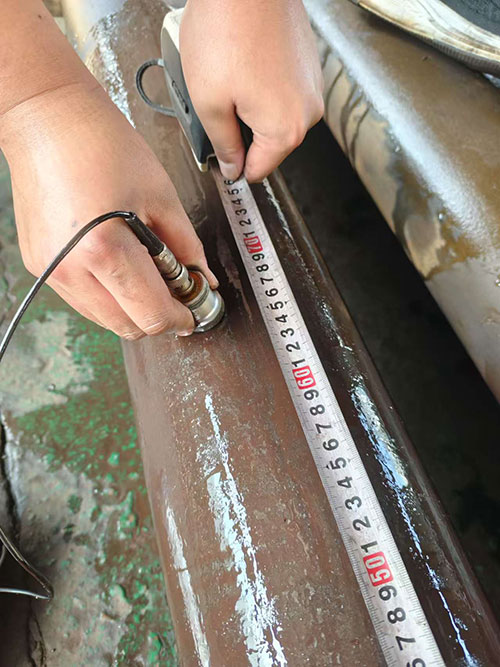
In the modern manufacturing environment, technology plays a crucial role in improving product consistency. Automated quality control systems, advanced sensors, and real-time data monitoring have revolutionized how quality checks are performed. These technologies enable manufacturers to track the quality of each unit produced and make adjustments in real time. With these advanced systems, businesses can ensure higher levels of consistency and efficiency, reducing human error and manual oversight.
Why Regular Audits and Inspections Are Key to Maintaining Quality Standards
Regular quality audits and inspections are vital for identifying areas where improvements can be made in the production process. These audits go beyond the typical end-of-line checks and include thorough evaluations of systems, processes, and equipment used during production. With regular audits, companies can identify any deviation from standard practices before it results in significant issues. This proactive approach allows for continuous improvements and helps maintain a steady level of product quality.
The Benefits of Quality Checks in High-Volume Production
For high-volume manufacturers, maintaining product consistency can be particularly challenging due to the sheer scale of production. Quality checks become even more critical in such settings, where one small deviation in the process can result in large quantities of subpar products. Through automated quality control measures and frequent inspections, companies can monitor product quality on a large scale, ensuring that each unit produced meets the required specifications without significant variation.
How Quality Checks Can Minimize the Risk of Product Recalls
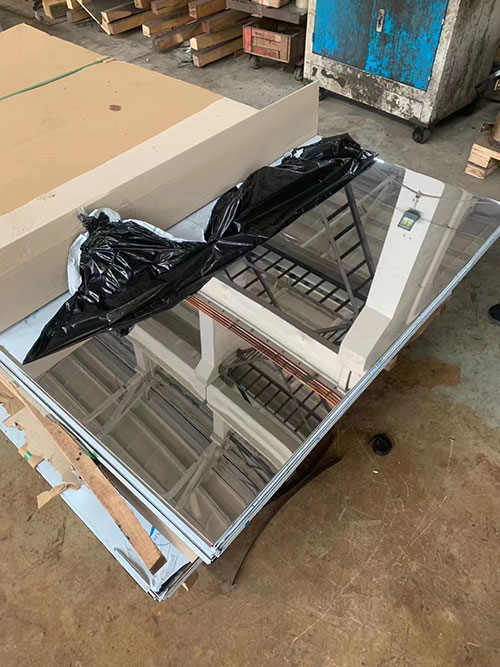
Product recalls can be extremely costly and damaging to a brand’s reputation. A single recall event can lead to millions of dollars in lost revenue, legal fees, and consumer trust. Quality checks play a pivotal role in reducing the risk of recalls by ensuring that defects are caught before products hit the market. By identifying issues during the production process, manufacturers can take corrective actions and prevent defective products from reaching the consumer.
Table: Key Benefits of Quality Checks in Manufacturing
| Benefit | Description |
|---|---|
| Consistency | Ensures each product meets the same high-quality standards. |
| Cost Savings | Prevents defects and reduces rework, saving production costs. |
| Customer Satisfaction | Builds trust and loyalty through reliable, consistent products. |
| Regulatory Compliance | Ensures products meet industry regulations and standards. |
| Brand Reputation | Enhances brand image through consistent delivery of quality products. |
| Risk Reduction | Minimizes the risk of product recalls and legal issues. |
Conclusion
Quality checks are not just an additional step in the manufacturing process; they are a necessity for ensuring product consistency, improving customer satisfaction, and protecting your brand’s reputation. Whether you’re involved in high-volume manufacturing or producing custom products, implementing robust quality control systems is essential for long-term success. At Shandong Laboratory, our team of experts is dedicated to providing comprehensive testing and quality checks to ensure your materials meet the highest standards.
If you’re looking to optimize your production process and enhance product consistency, contact us today for a personalized consultation. We’re here to help you ensure quality and drive success.
FAQ
Why is quality control necessary in manufacturing?
Quality control is necessary to ensure that all products meet consistent standards, preventing defects and maintaining customer trust.
How often should quality checks be performed?
Quality checks should be performed at every stage of the production process, from raw materials inspection to final product testing.
Can technology improve the quality check process?
Yes, automation and real-time monitoring systems enhance the efficiency and accuracy of quality checks, reducing human error.
How do quality checks impact customer satisfaction?
By ensuring consistency and reliability, quality checks help maintain high levels of customer satisfaction and encourage repeat business.
How can regular audits improve quality standards?
Regular audits help identify potential weaknesses in the production process, allowing companies to address issues before they lead to defects.