
Steel is one of the most important materials in modern industry, widely used in construction, manufacturing, automotive, aerospace, and other sectors. In these industries, the quality of steel directly affects the stability of buildings, the safety of vehicles, and the durability of products. Therefore, precise quality testing of steel is crucial, especially metal tensile strength testing, which is a key indicator for assessing steel performance. Metal tensile strength testing not only helps manufacturers ensure that steel meets industry standards but also guarantees the reliability and safety of the final product under extreme conditions.
Table of Contents
The Definition and Importance of Metal Tensile Strength
Metal tensile strength refers to the maximum stress a metal can withstand during a stretching process. It measures the material’s ability to resist stretching deformation or fracture. This indicator is one of the key aspects of steel performance and directly impacts how steel behaves in real-world applications. Steel with high metal tensile strength typically has better ductility and fracture resistance, making it suitable for high-load and high-impact industrial environments.
For the construction industry, tensile strength is one of the key factors in evaluating the quality of steel. For example, steel structures in high-rise buildings must have sufficient tensile strength to withstand external wind pressures, earthquakes, and other extreme environmental conditions. In the automotive and aerospace industries, metal tensile strength testing ensures the safety of parts like car bodies and aircraft wings, preventing structural failure during collisions or accidents.
The Role of Steel Testing Services
Ensuring the quality of steel during production and use is essential. Steel testing services perform a series of standardized tests, such as tensile testing, hardness testing, and impact testing, to assess the metal tensile strength of steel. These tests not only identify potential defects in steel but also provide data support for its subsequent application.
Especially for metal tensile strength testing, the steel sample is stretched to measure its maximum stress, accurately evaluating how the material will perform under the expected load and stress in real-world conditions. This testing provides engineers with important data to select steel suitable for specific applications, ensuring the safety and durability of the final product.
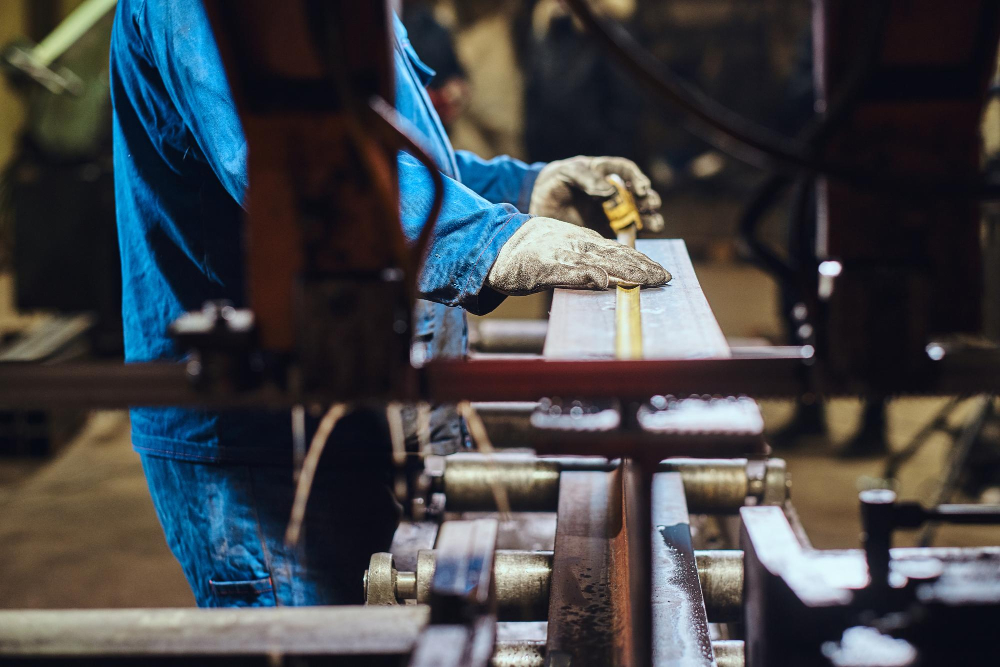
Case Studies of Metal Tensile Strength in Various Industrial Applications
Metal tensile strength has broad applications across multiple industries. In the construction industry, the tensile strength of steel directly affects the safety of buildings, especially in high-rise buildings and bridges. For example, the steel used in bridges must have extremely high tensile strength to withstand the enormous pressure from vehicles while maintaining structural stability in harsh weather conditions.
In the automotive industry, metal tensile strength testing is used to ensure that car body components can withstand impact and collision forces, ensuring passenger safety. For instance, the car frame, doors, and roof all undergo strict tensile testing to ensure they do not fracture in the event of a collision.
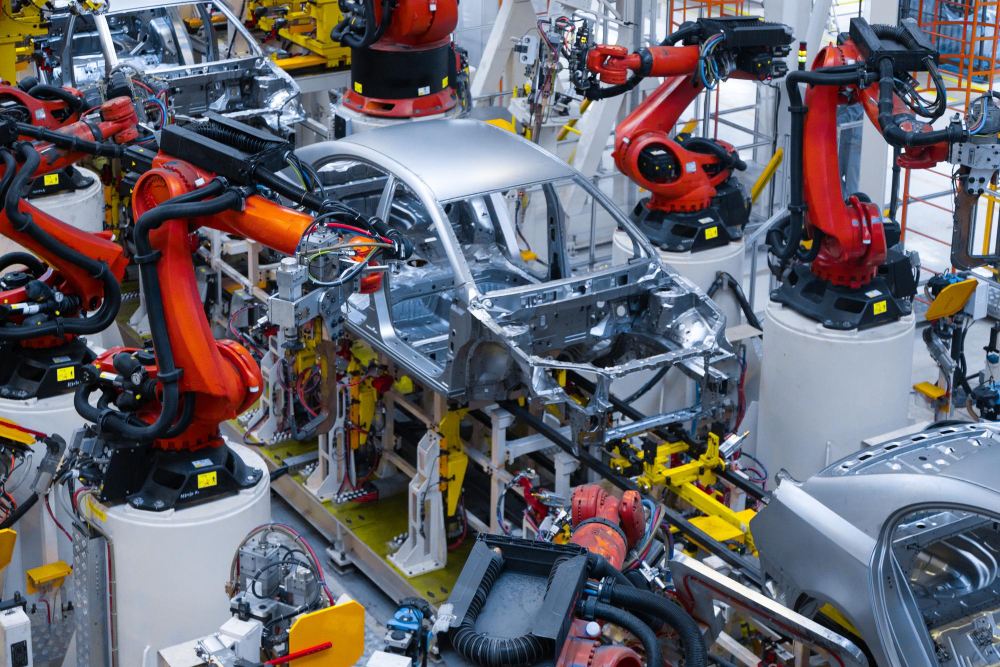
In aerospace, steel with high metal tensile strength is widely used for parts such as wings and structural components. Testing ensures these parts are safe during high-speed flights and high-altitude environments, preventing failures caused by weak steel.

How to Choose the Right Steel Testing Service Provider
When selecting a steel testing service provider, several factors should be considered. First, the advanced nature of testing equipment is crucial. High-precision testing equipment ensures the accuracy of metal tensile strength results. Additionally, it is important to check whether the laboratory holds relevant certifications (such as ISO 9001), indicating that the testing service meets international standards and can provide reliable results.
Second, choosing a provider with an experienced team is essential. Steel testing requires not only high-quality equipment but also professional engineers to interpret and analyze the data. Experienced testers can offer professional advice based on metal tensile strength results, helping clients optimize their steel selection for different industrial applications.
Conclusion: The Future of Metal Tensile Strength Testing
As industrial technologies continue to advance, steel testing services are also innovating. The introduction of modern automation equipment has greatly improved the precision and efficiency of metal tensile strength testing. For example, laser measurement technologies allow for more accurate analysis of steel’s tensile properties, reducing human error and improving the reliability of test results.
Moreover, the development of data analysis technology has made interpreting test results more intelligent. Through big data analysis, companies can monitor changes in steel performance in real-time and adjust production processes accordingly, enhancing steel quality and performance.