
Choosing the right inspection approach is a critical step in ensuring steel performance, safety, and long-term reliability. Steel quality inspection is not just about identifying defects—it is about selecting the most appropriate method based on how the material will be used, processed, and regulated. From structural components to precision-manufactured parts, different applications demand different inspection strategies. Understanding these differences helps manufacturers and project managers avoid unnecessary costs while maintaining consistent quality standards.
Table of Contents
Why Steel Quality Inspection Is a Practical Decision, Not Just a Technical One

In real production and construction environments, inspection decisions are often influenced by timelines, risk tolerance, and downstream use. A steel component used in a load-bearing structure faces very different requirements compared to one used in decorative or non-critical applications. Steel quality inspection plays a key role in balancing safety assurance with efficiency, especially when projects involve large volumes or strict delivery schedules.
Rather than applying the same inspection method across all products, successful teams focus on relevance—choosing inspections that match real-world demands instead of theoretical completeness.
Key Factors to Consider Before Choosing an Inspection Method
Before selecting a testing approach, it is important to clarify a few practical questions. The first is how and where the steel will be used. Components exposed to dynamic loads, vibration, or long-term stress usually require deeper internal evaluation, while visually critical parts may focus more on surface condition.
The second factor is the form of the material and its processing stage. Raw billets, finished plates, welded assemblies, and machined parts each present different inspection challenges. Steel quality inspection should align with whether defects are more likely to occur internally, on the surface, or at welded joints.
Finally, compliance requirements matter. Some projects must follow industry standards, customer specifications, or international certifications. In these cases, inspection methods are often selected not only for effectiveness but also for traceability and documentation.
Understanding Common Steel Quality Inspection Approaches

Inspection methods generally fall into two broad categories: non-destructive and mechanical testing. Non-destructive techniques are widely used when the material must remain intact after testing. These methods are effective for identifying internal inconsistencies, cracks, or surface irregularities without interrupting production flow.
Mechanical testing, on the other hand, focuses on material performance. By measuring properties such as strength, hardness, or toughness, these tests help confirm whether steel meets design expectations. In practice, steel quality inspection often combines both approaches to achieve a more complete understanding of material behavior.
Selecting Steel Quality Inspection Based on Real Working Conditions
In construction-related projects, inspection priorities often shift toward internal integrity and consistency across batches. Structural components must perform reliably over long service periods, making internal evaluation methods particularly valuable during pre-installation checks.
In manufacturing environments with high output, inspection decisions are often influenced by efficiency. Inline or rapid testing methods allow quality control teams to monitor consistency without slowing down production. Steel quality inspection in this context becomes part of process optimization rather than a final checkpoint.
For fabrication workshops handling custom or mixed orders, flexibility matters. Visual checks combined with targeted internal inspection help ensure that each order meets its specific requirements before shipment, reducing rework and disputes.
Industry-Oriented Recommendations
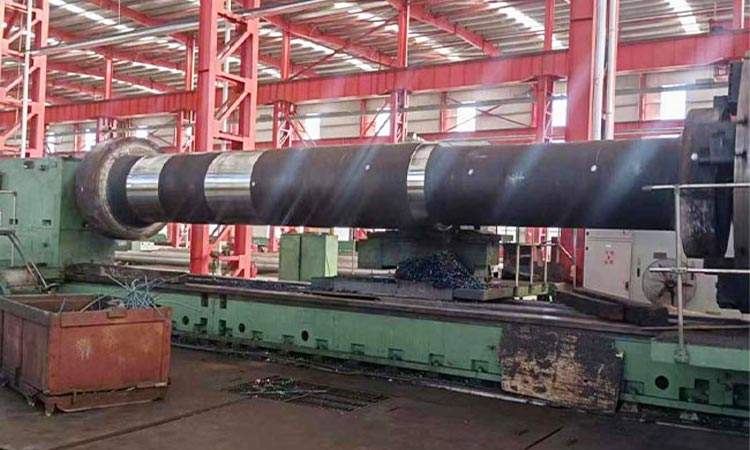
Different industries tend to favor different inspection strategies. Infrastructure and construction projects typically prioritize methods that detect internal flaws early, helping prevent costly failures after installation. Automotive and transportation sectors often focus on a balance between mechanical performance testing and surface inspection to support safety and precision manufacturing.
In heavy machinery and industrial equipment production, steel quality inspection is frequently integrated at multiple stages—from raw material verification to final assembly checks. This layered approach helps ensure reliability under demanding operating conditions.
The Value of a Combined Inspection Strategy
Relying on a single inspection method rarely provides a complete picture. Combining visual evaluation, internal inspection, and mechanical testing allows teams to address different risk areas without unnecessary redundancy. A well-designed steel quality inspection strategy improves confidence while keeping inspection efforts proportional to actual needs.
Final Thoughts
Choosing the right inspection method is less about following a fixed rule and more about understanding context. By considering application scenarios, material conditions, and industry expectations, steel quality inspection becomes a practical tool for quality assurance rather than a procedural burden. The right approach supports safer designs, smoother production, and more predictable project outcomes.