
Ultrasonic Testing of steel is one of the most reliable and effective non-destructive testing methods used in the industry. It works by transmitting high-frequency sound waves into steel materials and analyzing the reflected signals to identify internal defects such as cracks, voids, or inclusions. This inspection method provides critical insights into material integrity, helping ensure the safety and long-term reliability of steel structures. It is widely applied across demanding sectors, including construction, aerospace, and oil & gas.
Table of Contents
What is Ultrasonic Testing ?
This non-invasive inspection method evaluates material quality by transmitting high-frequency sound waves and analyzing the reflected signals. When these waves encounter internal discontinuities, such as cracks or voids, they return to the surface and are captured by a sensor. The travel time and characteristics of the returning signals provide valuable information about the defect’s size, location, and nature.
How it Works:
- Transmission of sound waves: High-frequency sound waves are generated by a transducer and sent into the material.
- Reflection of sound waves: When the waves hit a defect, they are reflected back to the transducer.
- Data analysis: The time taken for the waves to return is measured, and the data is analyzed to detect defects.
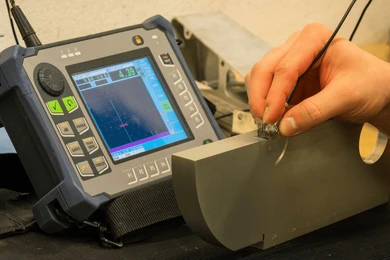
This process is fast, reliable, and does not cause any damage to the material being tested, making it ideal for routine inspections.
Applications of Ultrasonic Testing in Steel Industry
This inspection method is widely applied across industries where steel plays a critical structural role. By verifying internal quality and detecting hidden flaws, it helps ensure materials comply with safety and performance standards, significantly reducing the risk of unexpected failures. Below are some of the key sectors where this approach is particularly important:
- Structural Steel Testing: In construction, ultrasonic testing is used to inspect the integrity of structural steel used in buildings, bridges, and other infrastructure. It helps detect internal flaws that could compromise the safety of the structure.
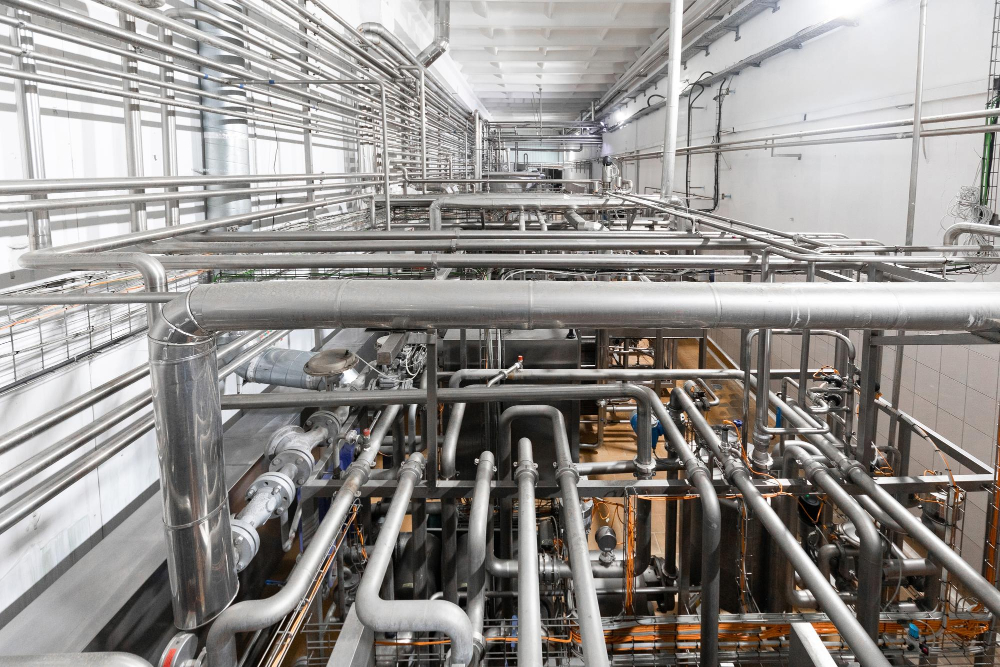
- Pipeline and Pressure Vessel Inspection: Ultrasonic testing is essential for detecting defects in pipelines, tanks, and pressure vessels, ensuring that they are safe to use and free from weaknesses that could lead to leakage or explosion.
- Manufacturing and Fabrication: During the manufacturing of steel components, ultrasonic testing is performed to detect any internal cracks or other defects that might affect the final product’s strength or durability.
- Aerospace Industry: Steel components used in aerospace applications are often subjected to ultrasonic testing to ensure they can withstand high levels of stress and pressure, ensuring safety during flight.
Advantages of Ultrasonic Testing of Steel
This inspection approach offers several clear advantages compared to other evaluation methods. Some of the main benefits include:
1.Non-Destructive and Safe
One of the most significant benefits of ultrasonic testing is that it is non-destructive. It doesn’t alter or damage the material being tested, which is particularly important for expensive or critical components. This ensures that the steel can continue to be used in its intended application after testing.
2.High Sensitivity
Ultrasonic testing is highly sensitive to small defects, such as hairline cracks or voids, that may be missed by other methods. It can detect defects deep within the material, even those that are not visible to the naked eye.
3.Cost-Effective
While the initial investment in equipment can be significant, the inspection cost per unit of steel remains relatively low. Ultrasonic testing also enables early detection of internal issues, helping prevent costly failures and significantly reducing the risk of unexpected shutdowns or expensive repairs over time.
4.Fast and Efficient
Unlike other testing methods like X-ray or magnetic particle testing, ultrasonic testing is quick and can be carried out in real-time, providing immediate feedback. This makes it ideal for situations where rapid decisions are needed.
5.Versatile and Adaptable
Ultrasonic testing is applicable to a wide range of steel types and thicknesses. It works well with a variety of materials, including carbon steel, stainless steel, and alloy steel, and can be used to inspect both large and small parts.
Challenges and Limitations of Ultrasonic Testing
Although this inspection method is highly effective, it does come with certain challenges. Some of the most common limitations include:
- Surface Preparation: The surface of the steel must be clean and smooth for accurate results. Any oil, dirt, or rust can interfere with the transmission of sound waves, leading to inaccurate readings.
- Skill and Expertise: Ultrasonic testing requires skilled technicians who are trained to interpret the results accurately. Incorrect interpretation of data can lead to false positives or missed defects.
- Limitations with Complex Shapes: Ultrasonic testing is highly effective for flat surfaces or simple geometries, but it can be more challenging when dealing with irregular or complex shapes.
Conclusion
Ultrasonic testing of steel is a critical tool for ensuring the quality, safety, and long-term reliability of steel structures and components. Its non-destructive approach, high detection sensitivity, and adaptability across different applications make it essential in industries such as construction, aerospace, and manufacturing. By identifying internal defects at an early stage, this method helps minimize costly repairs and significantly improves the overall safety of steel materials.