
Steel material testing is crucial for ensuring the safety and durability of steel in industries like construction and automotive. Learn how steel material testing methods ensure compliance, performance, and quality.
Table of Contents
Importance of Material Testing
Why it matters:
- Prevents catastrophic failures: Steel material testing ensures that the steel used in critical infrastructure can withstand extreme conditions, preventing structural failures and enhancing safety.
- Ensures compliance: Steel material testing meets rigorous standards (e.g., ASTM, ISO, GB) for strength, durability, and resistance to environmental factors, ensuring that steel products are compliant with industry regulations.
- Reduces costs: By performing thorough steel material testing, manufacturers can minimize the risk of product recalls and manufacturing errors, helping to avoid costly downtime and production losses.
Key focus:
- Predictive quality assurance: By analyzing historical data, manufacturers can forecast potential risks and prevent failures before they happen.
- Optimizing resources: Predictive analytics ensures that inspections are scheduled proactively, saving both time and resources.
Industrial Applications
Construction and Structural Steel
Structural steel forms the backbone of bridges, high-rise buildings, and large-scale industrial plants. Reliable steel material testing is crucial for ensuring the safety and durability of these critical infrastructures.
- Tensile strength testing ensures that the steel can resist stretching and pulling
- Corrosion resistance testing is vital for steel used in areas exposed to extreme weather or aggressive environments.
Case Example: The Brooklyn Bridge underwent extensive material properties testing, including tensile strength and corrosion resistance, to ensure its structural integrity.

Detection Technologies in Steel Material Testing
Steel material testing encompasses a variety of techniques to ensure steel meets stringent performance and safety requirements. Below are some of the most widely used technologies:
Chemical composition analysis is essential for determining the exact alloying elements and impurities present in steel. This analysis helps manufacturers ensure that the steel meets specific grade and performance requirements.
- Spectroscopic techniques such as X-ray fluorescence (XRF) and Optical Emission Spectroscopy (OES) are commonly used to identify and quantify elements like carbon, manganese, and chromium.
- Case Example: Steel used in aerospace applications is carefully tested to meet exacting standards for chemical composition to withstand extreme environmental conditions.
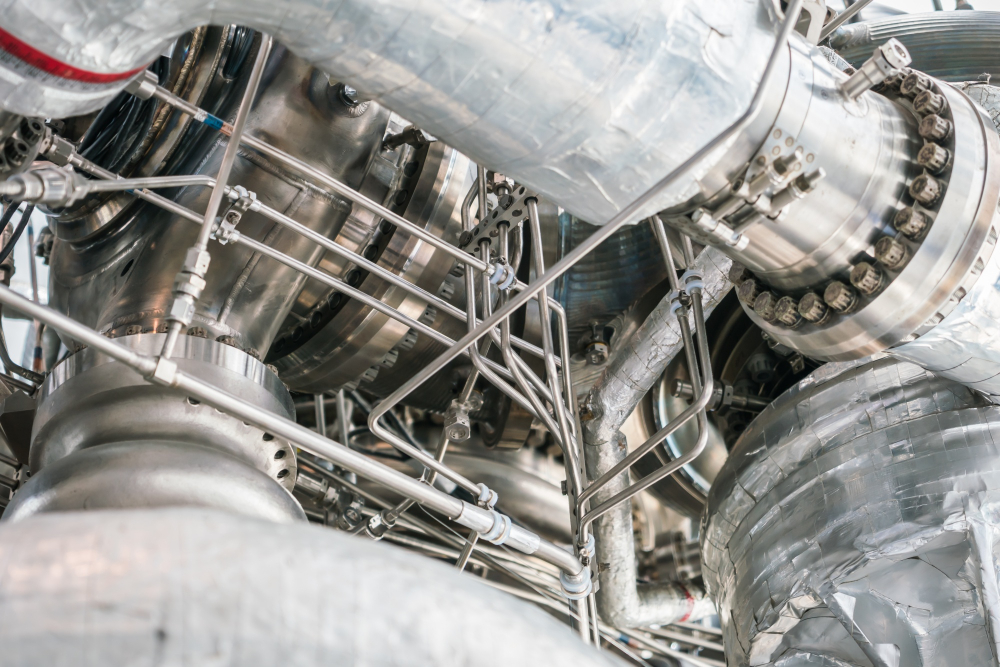
Mechanical properties testing evaluates the physical behavior of steel under various stress conditions. Common tests include:
- Tensile testing: Measures the material’s resistance to pulling forces and elongation before breaking.
- Hardness testing: Determines the steel’s ability to resist surface indentation and abrasion.
- Impact testing: Assesses steel’s performance in sudden shock loading conditions (e.g., Charpy test).
Applications:
- In the automotive industry, mechanical properties tests ensure that the steel used in vehicle frames can endure collision impacts and regular stress from driving conditions.
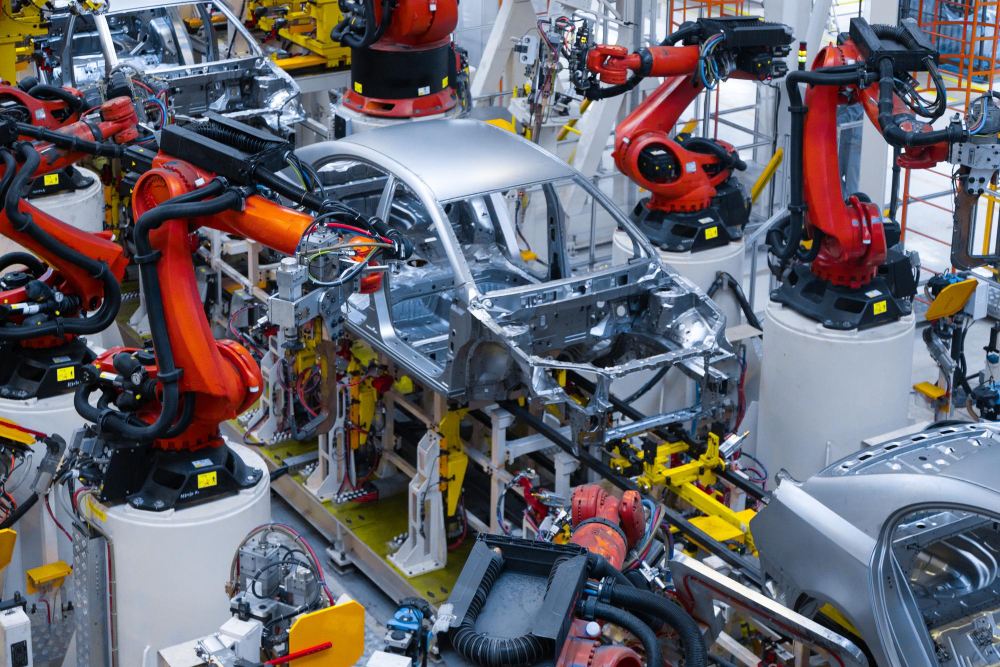
Ultrasonic testing is a non-destructive technique used to detect internal flaws, cracks, and material inconsistencies by sending high-frequency sound waves through the steel.
- Pulse-echo technique helps identify voids, cracks, or weld defects within the material.
- Commonly used in structural steel for bridges and pressure vessels in power plants to ensure the integrity of critical components.
Case Example: Pressure vessels used in the oil and gas industry undergo ultrasonic testing to detect any structural issues that could lead to failures under high pressure.
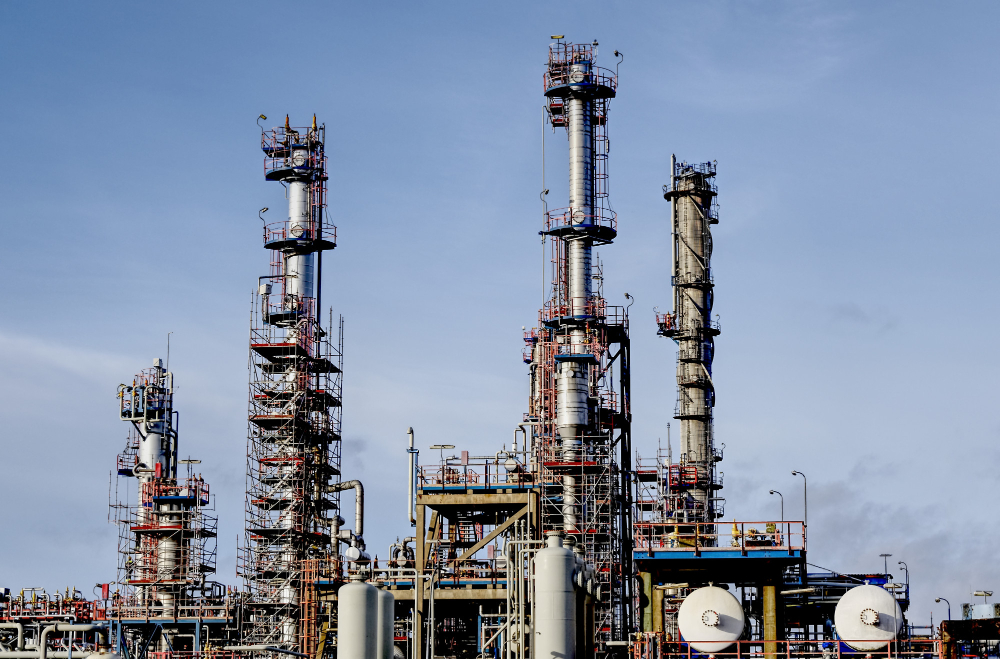
Structural analysis focuses on examining the material’s internal structure to understand its mechanical and thermal properties. This can include assessing grain structure, hardness distribution, and weld integrity.
- Microstructure examination through scanning electron microscopy (SEM) can reveal how steel reacts under different conditions and stresses.
- Common in aerospace and nuclear applications, where the internal structure directly influences the material’s performance.
Heat treatment is a process used to alter the physical and mechanical properties of steel. It involves heating and cooling the material to achieve desired characteristics such as increased hardness or improved ductility.
- Quenching and tempering are two primary heat treatment processes that are tested to verify steel’s strength and hardness.
Case Example: Steel used in automotive gears is heat-treated to achieve a balance of strength and flexibility, ensuring long-term durability under high stress.

Magnetic particle testing (MT) is a non-destructive method used to detect surface and near-surface defects in ferromagnetic materials.
- Fluorescent magnetic particles are applied to the steel, and defects appear as the particles accumulate around cracks or imperfections when exposed to a magnetic field.
- This method is widely used in railway tracks and heavy machinery to ensure components can withstand operational stresses without failure.

Dimensional testing ensures that steel components meet the specified size and shape tolerances. This is critical in industries where precise fitting is required.
- Coordinate measuring machines (CMM) are used to measure the dimensions of components and ensure they conform to design specifications.
Case Example: Construction steel beams undergo dimensional testing to ensure they fit perfectly within structural frames during the assembly of skyscrapers.

Visual testing (VT) is the simplest and most widely used method of steel inspection. It involves a visual inspection of the material’s surface to identify any obvious defects or inconsistencies.
- While it is limited to surface defects, visual inspection remains a fast and cost-effective way to assess materials before other, more specialized tests are conducted.
- Common in manufacturing and shipping where quick assessments of surface flaws are needed before further processing.
Customized testing solutions are tailored to meet the specific needs of a particular project, based on the application, environment, and material requirements. This may include combinations of the above methods or entirely new techniques developed for unique challenges.
Case Example: Steel used in high-pressure pipelines might undergo a combination of chemical composition analysis, tensile testing, and corrosion resistance testing to ensure it meets all operational demands.
Future Outlook
Emerging trends:
- Industry 4.0 Integration: The integration of AI, smart sensors, and data analytics is transforming steel material testing by enabling faster, more accurate results. These technologies help manufacturers streamline their testing processes, improve precision, and reduce errors, ensuring that steel components meet stringent safety and performance standards.
- Eco-friendly Practices: As sustainability becomes more critical, steel manufacturers are adopting eco-friendly testing methods. These new practices reduce the environmental footprint of traditional testing techniques and help industries meet increasing regulatory demands for greener production processes.
Industry impact:
- Enhanced Efficiency and Precision: The continuous evolution of steel material testing techniques—empowered by advanced technologies—ensures better-performing steel products. This will not only improve product quality but also create a safer environment for industrial applications, reducing risks associated with material failure.
- Smart and Connected Technologies: The adoption of smart testing solutions enables real-time decision-making. As steel material testing becomes more connected, it enhances transparency and traceability across the supply chain, allowing manufacturers to track and monitor quality from production to final application.
Key Takeaways
- Steel material testing ensures that components perform safely and reliably under challenging conditions.
- Steel material testing, including advanced techniques like ultrasonic, mechanical properties, and magnetic particle testing, ensures steel’s performance, safety, and compliance across industries.
- Customized testing solutions enable manufacturers to meet specific needs, improving product quality and operational safety.