
Table of Contents
Introduction

Steel is a critical material in industries ranging from construction and automotive to pipelines and heavy machinery. Ensuring that steel meets quality standards is essential to prevent structural failures, costly recalls, or safety incidents. One of the most reliable ways to verify steel quality is the bend test of steel, a mechanical test that evaluates the material’s ductility, toughness, and resistance to cracking.
At Shandong Laboratory, a professional third-party metal testing facility, we provide comprehensive bend testing services. Our experienced engineers combine advanced equipment, strict sample management, and internationally recognized standards to ensure accurate and trustworthy results. This article explains the purpose, methods, and interpretation of bend tests and guides manufacturers and buyers in making informed decisions about steel quality.
The Purpose and Benefits of Bend Test of Steel

The bend test of steel serves several critical purposes:
- Evaluating mechanical properties: Bend tests determine the material’s flexibility, strength, and fracture resistance.
- Detecting defects: Cracks, voids, and improper heat treatment can be identified before steel is used in critical applications.
- Ensuring compliance: Standards such as ASTM, ISO, and EN outline acceptable bending performance for different steel grades.
- Cost and safety implications: Detecting problems early prevents structural failures, reduces maintenance costs, and avoids expensive recalls.
Bend testing is especially important for components that will undergo welding, forming, or heavy loading, as small errors in material properties can have significant consequences.
Types of Bend Test of Steel
There are several types of bend tests used depending on the steel form and intended application:
- Simple Bend Test: The steel sample is bent in a single plane to evaluate basic ductility.
- Reverse Bend Test: The sample is bent in two directions to detect cracks and weaknesses that may not appear in a single bend.
- Mandrel Bend Test: Commonly used for pipes and tubes, where the steel is bent around a mandrel to evaluate flexibility and wall integrity.
Each type serves specific applications and offers different insights into the steel’s performance. Comparing results from multiple test types provides a comprehensive understanding of the material’s quality.
Steel Samples and Preparation for Bend Test of Steel
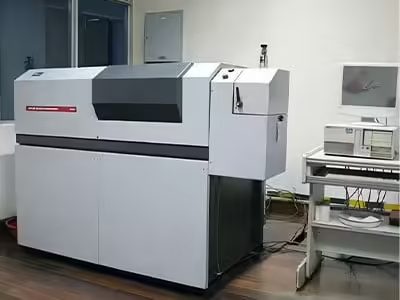
Proper sample preparation is crucial for accurate bend testing:
- Sample dimensions and shape: Samples must meet standardized sizes to ensure consistent stress distribution during testing.
- Surface preparation: Remove rust, coatings, or contamination to avoid misleading results.
- Material grade considerations: Different steel types, such as carbon steel, stainless steel, or alloy steel, respond differently to bending.
- Consistent sample handling: Barcoding and controlled storage ensure traceability and repeatable results.
Proper preparation guarantees that the bend test accurately reflects the steel’s mechanical properties rather than artifacts from handling or surface imperfections.
Equipment and Methods Used in Bend Test of Steel
Bend tests require specialized equipment and fixtures:
- Universal Testing Machines (UTM): These machines apply controlled bending forces and measure deflection or fracture.
- Bend test fixtures and mandrels: Designed to hold the steel sample securely while applying bending stress.
- Portable bend test tools: Useful for on-site verification and pre-delivery inspections.
- Digital vs manual measurement: Advanced sensors and cameras measure bend angles more precisely than manual gauges.
At Shandong Laboratory, we ensure all equipment is regularly calibrated according to ISO standards, providing highly reliable results whether testing in the lab or on-site.
Interpreting Bend Test Results

Analyzing the results of a bend test involves several factors:
- Acceptable bend angles: Different standards specify maximum bend angles without cracking for each steel grade.
- Surface vs internal defects: Visual inspection identifies surface cracks, while UT or other NDT methods can detect hidden flaws.
- Comparison across steel grades: Stainless steel, carbon steel, and alloy steels have different ductility and fracture characteristics.
- Case examples: For instance, detecting a small surface crack in a forged beam prevented structural failure during construction.
Proper interpretation ensures that only steel meeting quality requirements is approved for use.
Bend Test vs Other Steel Tests
Bend tests are part of a broader steel quality assessment:
- Bend Test vs Tensile Test: Tensile tests measure ultimate strength and elongation under direct pulling, whereas bend tests evaluate ductility and fracture resistance under bending stress.
- Bend Test vs Hardness Test: Hardness tests measure resistance to surface deformation but do not reveal ductility or bending strength.
- When to combine tests: Critical components often undergo bend, tensile, and impact tests to ensure complete mechanical evaluation.
- Lab testing vs on-site testing: Laboratory testing provides more precise results, while portable equipment allows rapid pre-delivery verification.
Comparison helps manufacturers and buyers select the right test combinations for each application.
Choosing a Bend Test Service or Laboratory
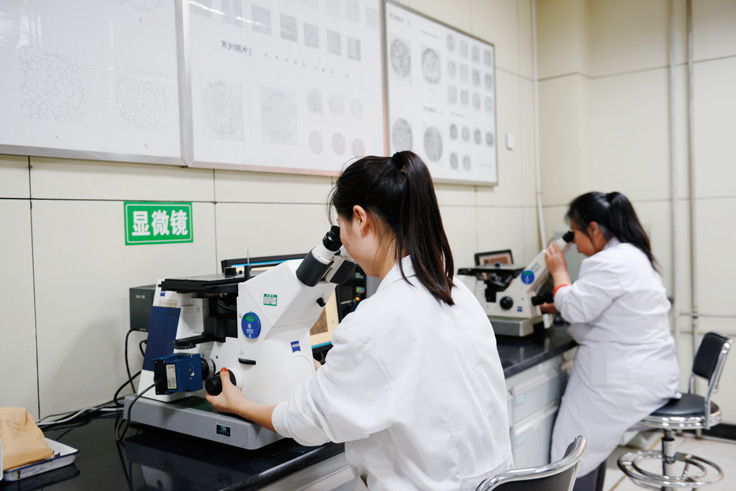
Selecting a professional laboratory ensures accuracy and reliability:
- Accreditation: ISO 17025 accredited labs guarantee standardized procedures and traceable results.
- Lab equipment: Verify that the lab has universal testing machines, mandrels, and proper fixtures for the specific steel type.
- Cost and turnaround time: Evaluate testing packages for your batch size and schedule.
- Third-party verification: Independent labs like Shandong Laboratory provide unbiased results, reducing supplier-related risks.
Choosing the right lab ensures that the bend test delivers meaningful quality assurance and supports compliance documentation.
Conclusion
The bend test of steel is an essential tool for assessing material ductility, toughness, and overall quality. It complements other mechanical tests, helps detect hidden defects, and ensures compliance with international standards.
At Shandong Laboratory, our professional team, calibrated equipment, and ISO-accredited procedures guarantee that every bend test is reliable and impartial. Protect your material investment and avoid costly failures—contact us today to schedule a professional steel bend test service.
FAQ
What is a bend test of steel?
It is a mechanical test that bends a steel sample to check its ductility, toughness, and resistance to cracking.
Why is a bend test of steel important?
It ensures steel can withstand bending forces in real-world applications and helps prevent structural failures.
How is a bend test of steel performed?
The steel sample is bent using a fixture or universal testing machine until a specified angle is reached or a crack appears.
Can a bend test of steel detect defects in welded or fabricated parts?
Yes, it can reveal surface cracks, voids, and weaknesses in welds or formed areas that might not be visible otherwise.
Which types of steel require a bend test of steel?
Critical steels such as carbon steel, stainless steel, and alloy steel used in construction, automotive, or industrial components typically undergo bend testing.