
In the world of industrial metallurgy, the decision between Grade 304 and Grade 316 stainless steel is rarely about aesthetics; it is a calculated gamble against time and environment. For engineers in the chemical, medical, and marine sectors, the financial implications of material failure due to pitting are immense. Understanding the nuances of an SS316 Corrosion Test is not just a quality control step—it is the foundation of structural longevity.
While both alloys are members of the austenitic family, the presence of Molybdenum in 316 makes it the “marine grade” standard. However, relying solely on a mill certificate can be a dangerous oversight. Verification through rigorous laboratory protocols ensures that your material meets the specific demands of high-chloride environments.
Table of Contents
The Molybdenum Factor and the PREN Formula
The primary differentiator between SS304 and SS316 is the 2.0% to 3.0% Molybdenum content found in the latter. This element is the primary defender against chloride-induced pitting. To quantify this resistance, metallurgists use the PREN calculation for stainless steel.
The Pitting Resistance Equivalent Number (PREN) provides a numerical value to rank alloys. The PREN formula for pitting resistance is typically calculated as:
PREN = %Cr + 3.3 × %Mo + 16 × %N
For Grade 304, the PREN typically hovers around 18-20, whereas for Grade 316, it reaches 23-26. This seemingly small numerical gap represents a massive leap in real-world performance during an SS316 Corrosion Test. In marine environments, a PREN above 24 is often considered the baseline for safety.
Pitting Resistance: The ASTM G48 Protocol
In heavy-duty industries like chemical processing or offshore oil and gas, the ASTM G48 pitting test is the gold standard for material verification. Unlike general exposure tests, ASTM G48 utilizes a Ferric Chloride solution to aggressively simulate the most extreme corrosive conditions.
During an SS316 Corrosion Test under Method A (Pitting Resistance), the samples are submerged for 24 to 72 hours. This test identifies the “Critical Pitting Temperature” (CPT). If a material fails to maintain its integrity at the specified temperature, it is a clear indicator that the alloy chemistry is insufficient for the intended application. For B2B buyers, requesting an ASTM G48 report is the only way to verify that your SS316L supply hasn’t been “downgraded” with lower Molybdenum levels.
Salt Spray Hours: Expectations vs. Reality
A common question from procurement managers is: “How many hours can 316L withstand salt spray?” The answer depends on the test standard, usually ASTM B117.
While SS304 may show signs of “tea staining” or surface rust within 24 to 72 hours in a high-chloride mist, salt spray hours for 316L typically exceed 1,000 hours without significant red rust. However, it is important to note that salt spray tests are best used for comparing coatings or batches rather than predicting exact service life.
When conducting a comprehensive SS316 Corrosion Test, the salt spray chamber acts as a secondary verification of surface passivity. If 316L fails early, it often points to surface contamination from carbon steel tools or poor pickling and passivation during manufacturing.
Technical Comparison: SS304 vs. SS316
To assist in the SS316 vs SS304 corrosion resistance in marine environments evaluation, the following table breaks down the critical chemical and performance differences.
Stainless Steel Performance Matrix
| Feature | Grade 304 | Grade 316 / 316L |
| Molybdenum Content | 0% | 2.0% – 3.0% |
| Typical PREN Value | 18.0 – 19.5 | 23.5 – 26.0 |
| ASTM G48 Resistance | Low (Pits easily) | High (CVI Resistance) |
| Salt Spray (ASTM B117) | 72 – 240 Hours | 1,000+ Hours |
| Primary Industry | Food, Architecture | Marine, Chemical, Medical |
Industry-Specific Selection Logic
Marine and Offshore Engineering
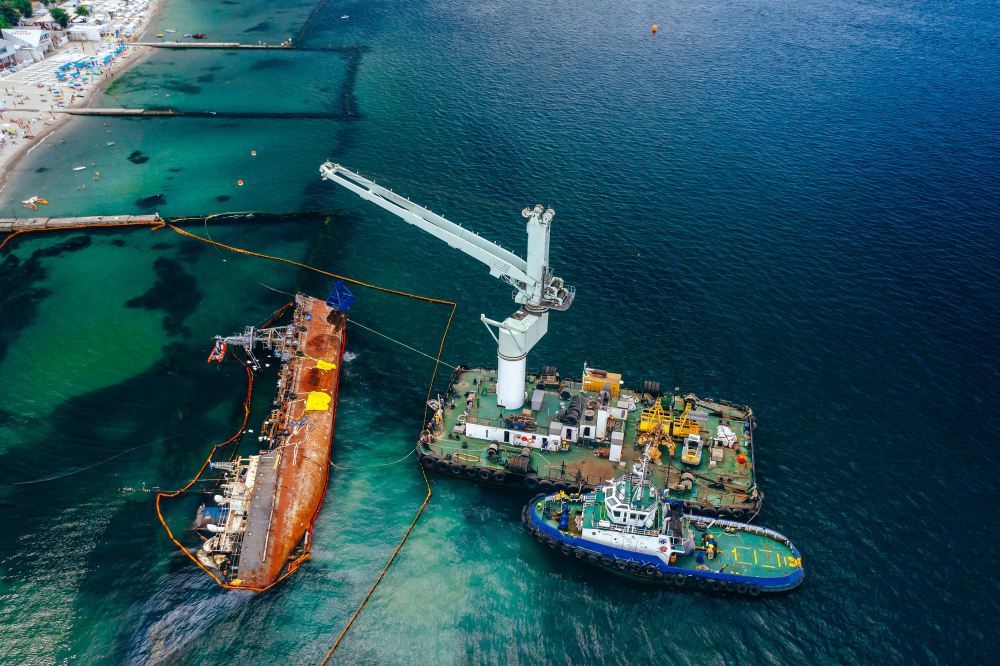
In these environments, chloride ions are ever-present. The SS316 Corrosion Test is mandatory for fasteners, valves, and structural fittings. Using 304 in coastal areas often results in “pitting,” where microscopic holes penetrate the metal, leading to sudden mechanical failure.
Medical and Surgical Applications

The medical sector requires high resistance to aggressive cleaning agents and bodily fluids. SS316L is the preferred choice for surgical implants and instruments not just for its corrosion resistance, but for its biocompatibility, which is verified through strict electrochemical SS316 Corrosion Test protocols.
Chemical and Pharmaceutical Processing
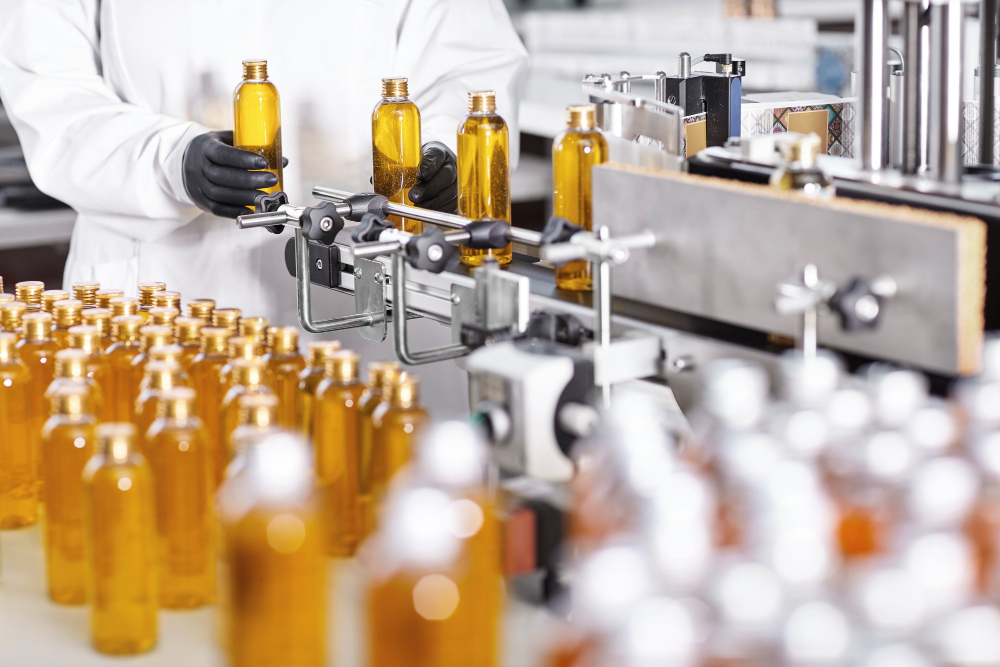
Processing plants often deal with hot acids and brines. Here, the PREN calculation for stainless steel is used to determine if 316 is enough, or if the project needs to upgrade to “Super Austenitic” or Duplex grades.
The Importance of Third-Party Laboratory Testing
Even with the best intentions, mill test reports (MTRs) can contain inaccuracies. For high-volume orders, a batch-level SS316 Corrosion Test is a necessary insurance policy. Independent labs use Optical Emission Spectroscopy (OES) to verify the chemistry and then subject the samples to the ASTM G48 pitting test to confirm real-world performance.
By investing in testing, companies avoid the astronomical costs of product recalls, field repairs, and legal liability. A verified SS316 Corrosion Test report provides the documented proof required by regulatory bodies in the medical and aerospace sectors.
Strategic Procurement: Managing the SS316 Premium
It is no secret that 316 costs more than 304. However, the “savings” of choosing 304 disappear the moment a component fails. When assessing SS316 vs SS304 corrosion resistance in marine environments, look at the 20-year ROI.
1.Verify the Mo Content: Ensure your supplier isn’t providing “low-Mo” 316.
2.Review Salt Spray Data: Ask for salt spray hours for 316L specific to the batch.
3.Calculate the PREN: Use the PREN formula for pitting resistance to compare different heats of steel.
Conclusion
Material selection is the first line of defense in industrial engineering. Whether you are designing a desalination plant or a high-precision medical device, the data provided by an SS316 Corrosion Test is your only guarantee against the invisible threat of pitting.
FAQ
Is a salt spray test enough to prove 316 quality?
No. While helpful, it only tests surface resistance. An ASTM G48 pitting test is required for a deep metallurgical assessment.
Why does my 316 stainless show rust in the ocean?
This is often “tea staining” caused by a rough surface finish or surface contamination. An SS316 Corrosion Test can determine if the alloy itself is at fault.
What is the minimum PREN for marine grade steel?
Generally, a PREN of 23-26 is acceptable for 316L, but for submerged seawater use, Duplex steels with a PREN >35 are often preferred.
Does welding affect the SS316 Corrosion Test results?
Yes. Welding can deplete chromium in the “Heat Affected Zone.” Using 316L (low carbon) helps, but post-weld testing is recommended.