
Table of Contents
If you are asking which metal testing method can identify a steel mix up, here is the direct answer. The useful answer to which metal testing method can identify a steel mix up is not a list of machines. For metal testing on steel products, a steel laboratory turns a labelled sample into a measured answer. In this metal testing example, the useful test depends on the question: composition checks elements, hardness checks indentation, tensile testing pulls a sample, and metallography looks at a polished cross-section. The named item is steel products, and the goal is to match an ordinary mix-up question with chemistry, hardness, structure or non-destructive testing.
For metal testing on steel products, a doctor does not order every possible test for one symptom. In this metal testing example, a steel lab works best the same way: start with the clear question, then choose the test that can answer it. It also shows why a longer test list does not guarantee a clearer answer for steel products.
The simple answer for steel products in metal testing
This guide uses steel products from Liborui’s Carbon Steel range as its real example. A laboratory starts with the property someone wants to understand about a labelled steel sample, not with every machine in the room. The useful issue is the answer that metal testing can provide about this named steel.
Pause at the marking, shape, surface and exact place that created doubt. Keep the cut sample linked to its bar, plate, pipe, forging or tool-steel source throughout preparation and reporting. This starting clue gives the service a specific job. The same boundary keeps metal testing understandable for someone viewing steel products.
A first-time reader can understand Which Metal Testing Method Can Identify a Steel Mix Up without memorising a standard. The definition becomes practical when metal testing is tied to steel products and the clear wish to match an ordinary mix-up question with chemistry, hardness, structure or non-destructive testing.
Start by naming what kind of steel object is present. A laboratory starts with the property someone wants to understand about a labelled steel sample, not with every machine in the room. That is why a label, photograph or reading should never float free from the physical item. That connection matters when metal testing is used to answer a question about steel products.
Then name the clue that began the question. It might be a mark, a surface line, a size difference or a surprising value. For steel products, keep the cut sample linked to its bar, plate, pipe, forging or tool-steel source throughout preparation and reporting. For a visitor, it keeps the metal testing answer grounded in steel products.
The evidence stage may cover evidence relevant to a suspected steel mix-up, measurements of selected elements, hardness readings at stated points, a record of how a small specimen stretches, and structure visible in a prepared section. In the context of metal testing, each one has a different job and should be linked to the need to match an ordinary mix-up question with chemistry, hardness, structure or non-destructive testing.
The interpretation stage uses plain words. It says what happened at the named place on steel products, what the value or image means and which part of the title has now been answered. The wording stays specific to metal testing rather than making a broad claim about steel products.
The definition also needs a limit. The finding does not automatically turn one sample into proof of every piece, show properties that were not tested, predict every future use, and make an unlabeled sample meaningful. Knowing that limit is part of understanding metal testing, not a footnote for specialists.
Picture the process before metal testing
For metal testing on steel products, a laboratory starts with the property someone wants to understand about a labelled steel sample, not with every machine in the room. In this metal testing example, the finished laboratory page represents the named sample and measured property rather than every product in a steel batch. In the case of steel products, the lesson is to match an ordinary mix-up question with chemistry, hardness, structure or non-destructive testing.
Before adding any test, read the steel itself. Composition, hardness, tensile behaviour and microstructure require different preparation and produce different kinds of answers. For metal testing, note whether the concern appears once, repeats or changes from place to place.
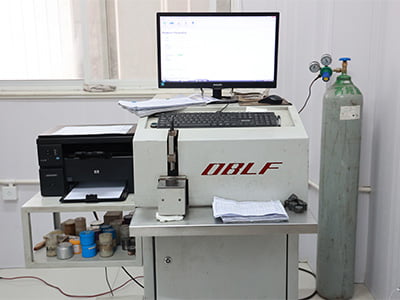
What changes from one steel product to another for the metal testing question
A clear report lets the reader follow one path from steel products to a labelled observation. The final sentence should answer the need to match an ordinary mix-up question with chemistry, hardness, structure or non-destructive testing without requiring an instrument manual. For steel products, it gives the metal testing explanation a clear subject.
What the result reveals after metal testing
- Match the result to steel products, its marking or its labelled batch.
- Find the real value, photograph, image or observation produced by metal testing.
- Locate the place on steel products where the observation or sample came from.
- Use the stated limit while deciding whether the result helps you match an ordinary mix-up question with chemistry, hardness, structure or non-destructive testing.
Do not stretch the result beyond steel products. For metal testing on steel products, this method cannot by itself make an unlabeled sample meaningful, turn one sample into proof of every piece, show properties that were not tested, and predict every future use. Add another method only if one unanswered point prevents you from being able to match an ordinary mix-up question with chemistry, hardness, structure or non-destructive testing.
What still remains unknown for metal testing evidence
The tempting shortcut is treating the words steel products as a complete description. Related pieces can differ in surface, size, processing state or local result, so metal testing needs an item and a location.
Remember one plain boundary. The finished laboratory page represents the named sample and measured property rather than every product in a steel batch. A clean surface, composition match, hardness number and internal echo are not interchangeable answers. That connection matters when metal testing is used to answer a question about steel products.
One situation a visitor may recognise involving steel products and metal testing
Consider one ordinary case. The steel named steel products does not look or read as expected. Photograph the item, marking and concern. Measure a size doubt, test a grade doubt, and use suitable non-destructive testing for a hidden-soundness doubt. For a visitor, it keeps the metal testing answer grounded in steel products.
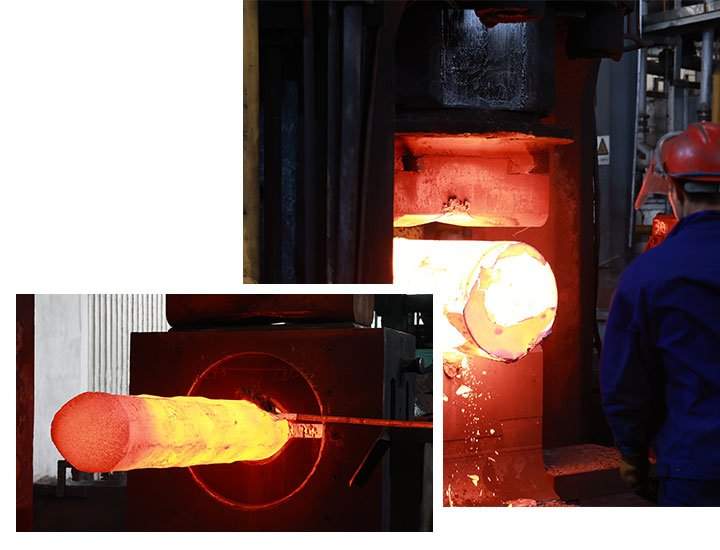
Steel specific support from Liborui for metal testing on steel products
For metal testing on steel products, Liborui can coordinate independent chemical, hardness, tensile, impact, ultrasonic and metallographic tests for steel products while keeping the sample connected to the original item. For the title Which Metal Testing Method Can Identify a Steel Mix Up, the outcome should be evidence that lets the visitor match an ordinary mix-up question with chemistry, hardness, structure or non-destructive testing.
This help is limited to steel represented on Liborui’s site. For steel products, it stays within carbon steel, alloy steel, stainless steel, tool and mould steel or steel forgings and the steel-specific question described above. The wording stays specific to metal testing rather than making a broad claim about steel products.
To ask about metal testing, send the product name, a photograph of the complete item, its marking and a close view of the concern. State that you need to match an ordinary mix-up question with chemistry, hardness, structure or non-destructive testing; that sentence is more useful than a long test list.
The Liborui Carbon Steel product page gives catalogue context for steel products alongside this metal testing guide. The article above remains the direct answer to the metal testing question.
Questions about metal testing and steel products
What is the direct answer to Which Metal Testing Method Can Identify a Steel Mix Up?
The purpose is to match an ordinary mix-up question with chemistry, hardness, structure or non-destructive testing. For metal testing on steel products, a steel laboratory turns a labelled sample into a measured answer. In this metal testing example, the useful test depends on the question: composition checks elements, hardness checks indentation, tensile testing pulls a sample, and metallography looks at a polished cross-section.
Can metal testing confirm everything about steel products?
No. For metal testing on steel products, the evidence may show measurements of selected elements, hardness readings at stated points, and a record of how a small specimen stretches, but it cannot by itself make an unlabeled sample meaningful, turn one sample into proof of every piece, show properties that were not tested, and predict every future use.
Does a pass result mean steel products is perfect?
No. It means the stated metal testing check met its stated rule, not that every property was examined.
Can Liborui help with this steel products question?
Yes. For metal testing on steel products, Liborui can coordinate independent chemical, hardness, tensile, impact, ultrasonic and metallographic tests for steel products while keeping the sample connected to the original item. The work stays with the steel product described here.
If the answer about steel products is still unclear, use the form below to send the steel name, describe what looks or reads differently and share that your goal is to match an ordinary mix-up question with chemistry, hardness, structure or non-destructive testing. Liborui can identify whether metal testing or another steel method fits.