Table of Contents
Introduction
In today’s competitive manufacturing and supply chain environment, quality assurance inspection is not just a formality—it’s a critical step to safeguard your products, protect your brand, and ensure customer satisfaction. Every defect that goes undetected can lead to costly recalls, warranty claims, or operational downtime. According to a study by the International Organization for Standardization (ISO), companies that implement structured QA inspections see a 30–40% reduction in defect-related issues compared to those without a robust inspection program. In this article, we’ll break down the essentials of quality assurance inspection, its tools, methods, and best practices, giving you a comprehensive view to make informed decisions.
Why Quality Assurance Inspection Matters
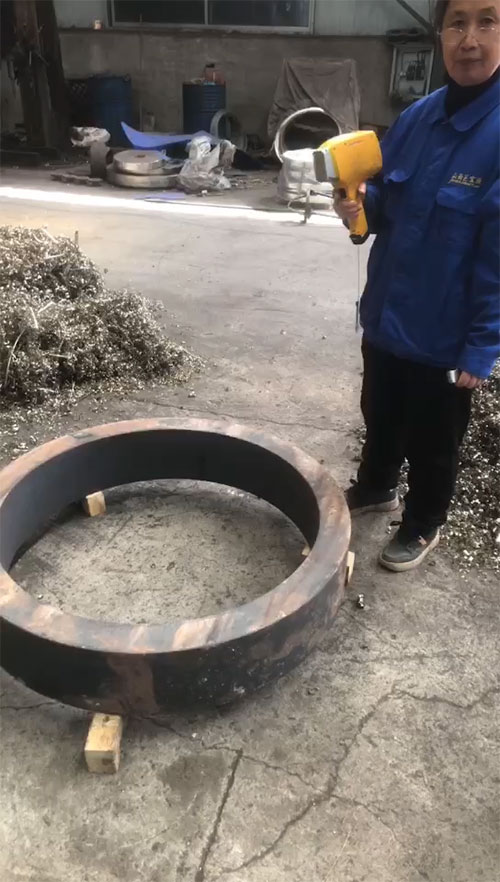
Quality assurance inspection is designed to proactively identify potential defects and ensure that products meet the required standards before they reach customers. The primary goals include:
- Confirming compliance with design and technical specifications
- Reducing returns, rework, and repair costs
- Enhancing traceability throughout the supply chain
- Building customer trust and brand credibility
Failing to implement a robust QA inspection process can compromise product performance, lead to dissatisfied customers, and even create safety hazards in critical applications.
Types of Quality Assurance Inspection
Incoming Material Inspection
Inspecting raw materials is the first line of defense against defects. Key activities include:
- Sampling raw materials for chemical and mechanical property verification
- Checking certifications and documentation provided by suppliers
- Identifying early material nonconformities before production begins
In-Process Inspection
During manufacturing, continuous inspection helps maintain consistent quality:
- Monitoring critical production stages
- Detecting deviations in real time
- Providing immediate corrective actions to prevent defect propagation
Final Product Inspection
Before shipment, a comprehensive check ensures the finished product meets all specifications:
- Dimensional accuracy and surface quality
- Functional testing for operational performance
- Packaging verification to prevent damage during transport
Third-Party or Independent QA Inspection
Engaging an accredited third-party inspection body brings objectivity and credibility:
- Confirms compliance with ISO and industry-specific standards
- Provides impartial reports for customers and regulatory authorities
- Mitigates potential conflicts of interest with suppliers
Common QA Inspection Tools
Effective quality assurance inspection relies on proper tools and instruments. Commonly used tools include:
- Vernier calipers and micrometers for dimensional checks
- Thickness gauges and hardness testers for material properties
- Optical comparators and microscopes for surface inspection
- X-ray fluorescence (XRF) or optical emission spectroscopy (OES) for elemental analysis
- Coordinate measuring machines (CMM) for complex geometries
Using these tools ensures precise, reliable, and repeatable inspection results.
QA Inspection Standards and Guidelines

Adhering to international and industry standards guarantees consistency and compliance:
- ISO 9001: Quality management system standards
- ISO 17020: Guidelines for inspection bodies
- IATF 16949: Automotive-specific quality requirements
- Industry-specific and customer-specific technical specifications
Defining inspection levels, sample sizes, and acceptance criteria ensures objective evaluation and traceability.
Steps in a Typical QA Inspection Process
- Planning and Checklist Preparation: Define inspection scope, AQL levels, and critical defect types.
- Sample Preparation: Label, document, and ensure sample integrity before testing.
- On-Site Inspection: Conduct measurements, material testing, and visual checks using calibrated tools.
- Nonconformance Management: Identify defects, initiate corrective actions, and track resolution.
- Final Reporting: Compile findings into clear reports with photos, measurements, and recommendations.
By following these steps, you can systematically reduce risks and ensure your products meet or exceed quality expectations.
Common Defects Caught During QA Inspection
- Dimensional deviations
- Surface flaws: scratches, dents, cracks, corrosion
- Functional anomalies in moving parts or assemblies
- Material inconsistencies or heat treatment defects
- Packaging and labeling errors
Effective QA inspection catches these issues before products reach the customer, saving costs and preserving reputation.
Manual vs Automated QA Inspection
| Feature | Manual Inspection | Automated Inspection |
|---|---|---|
| Accuracy | Moderate | High |
| Speed | Slower | Faster |
| Data Recording | Manual | Digital and traceable |
| Training Requirement | High | Moderate |
| Cost | Lower | Higher |
Manual inspection provides flexibility and low cost for small batches, while automated systems ensure high precision and full traceability, especially for high-volume production.
Best Practices for Effective QA Inspection
- Calibrate equipment regularly to maintain accuracy
- Standardize inspection procedures and checklists
- Train inspectors to ensure reliable evaluation
- Record and trace all data for audits and quality tracking
- Partner with third-party labs like Shandong Laboratory for unbiased verification
Implementing these practices maximizes the value of QA inspection and reduces the risk of product defects.
Conclusion
Implementing a robust quality assurance inspection program ensures your products are reliable, compliant, and meet customer expectations. At Shandong Laboratory, our team combines industry expertise, advanced inspection tools, and strict adherence to standards to deliver accurate and actionable results. Contact us today to schedule your inspection and protect your products, brand, and customer trust.
FAQ
How often should quality assurance inspections be performed?
Inspections should be conducted at every critical stage: raw material intake, in-process, and before shipment.
What is the difference between QA inspection and quality control?
Quality assurance focuses on process and system adherence, while quality control evaluates the final product for defects.
Can QA inspection prevent all product defects?
While it significantly reduces risk, QA inspection cannot guarantee zero defects. Combining QA with process improvement is essential.
Why is third-party inspection important?
It ensures impartiality, provides credibility for clients, and meets regulatory or contractual requirements.
How do I select the right QA inspection tools?
Choose tools based on product specifications, critical features, and industry standards. Consulting experienced QA professionals is recommended.